



Key Takeaways
- The iPhone 17 offers 120Hz displays on all models for smoother scrolling.
- The A19 chip in the iPhone 17 provides improved performance.
- The iPhone 17 features a 24MP selfie camera for better video calls and selfies.
- The iPhone 16 is more affordable due to current discounts and includes Pro-level features like LiDAR.
- Photography enthusiasts should choose the iPhone 16 for its advanced camera tools.
Table of Contents
- iPhone 16 vs 17 Basics: What You're Actually Buying
- Design Deep Dive: Size, Weight, and Everyday Carry
- Display Showdown: 60Hz vs 120Hz Smoothness
- Performance Breakdown: A18 vs A19 in Real Tasks
- Camera Clash: Selfies, Zoom, and Low-Light Performance
- Display Showdown: 60Hz Standard vs 120Hz Across All Models
- Storage, Connectivity, and Future-Proofing Features
- Smart Protection: Matching Your iPhone Choice with the Right Case
- Who Wins? Choosing Your iPhone for Different Lifestyles
- The Verdict: Which iPhone Wins Your Upgrade?
- Looking Ahead: iPhone Ecosystem Changes
- Your iPhone Decision Matrix
The Bottom Line
iPhone 17 wins for everyday users with 120Hz displays across all models, A19 chip improvements, and 24MP selfie cameras. iPhone 16 delivers better value with current discounts and Pro-level features like LiDAR for photography enthusiasts. Choose 17 if you prioritize smooth scrolling and video calls; grab 16 if you need professional camera tools now.
If you want to explore the latest options, the iPhone 17 lineup introduces enhanced displays and improved performance, making it a strong contender for users seeking future-proof features.
| Feature | iPhone 16 | iPhone 17 |
|---|---|---|
| Display | 60Hz base, 120Hz Pro | 120Hz all models |
| Chip | A18 | A19 (3-5% faster) |
| Front Camera | 12MP | 24MP |
| Base Storage | 128GB | 256GB |
| Best For | Photography pros | Future-proof daily use |
iPhone 16 vs 17 Basics: What You're Actually Buying
The iphone 16 vs 17 decision starts with understanding the lineup differences. iPhone 16 series includes four models: 16, 16 Plus, 16 Pro, and 16 Pro Max, featuring 6.1" to 6.9" Super Retina XDR displays, A18 chips, and LiDAR on Pro models. iPhone 17 streamlines to three models, 17, 17 Pro, 17 Pro Max, plus the ultra-thin 17 Air, all sporting improved Ceramic Shield 2 and A19 processors.
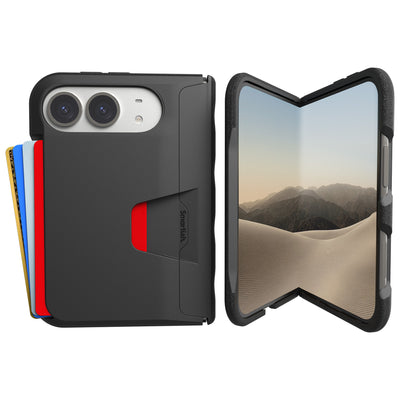
The 17 lineup's lighter construction suits active lifestyles, while 16's titanium build provides that premium grip photographers appreciate. Size matters for case compatibility, the 6.3" base iPhone 17 pairs perfectly with Smartish's Wallet Slayer Vol. 1, holding three cards plus cash without added bulk.
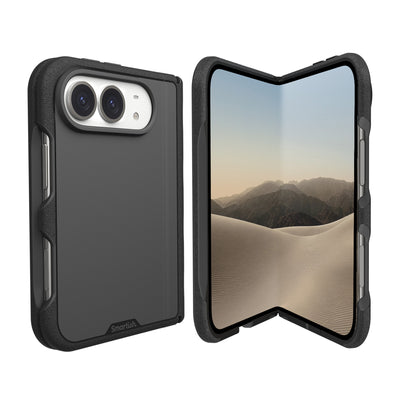
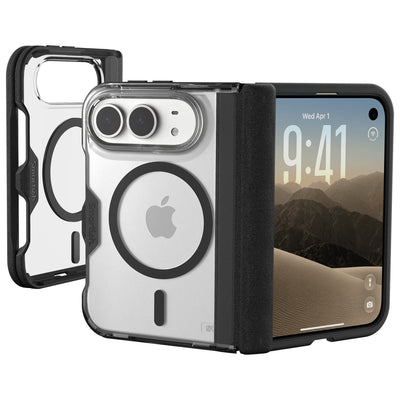
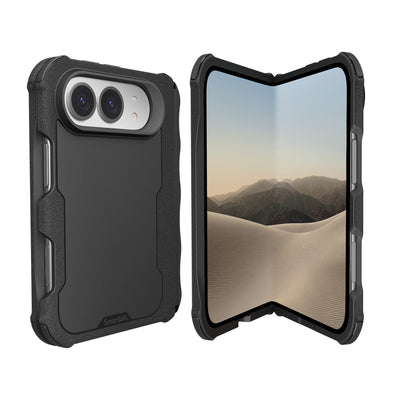
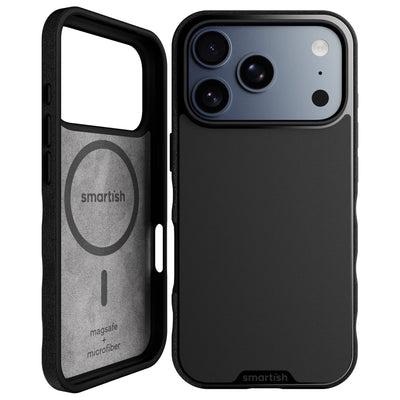
For protection, both generations benefit from Smartish's air-pocket corner technology. The Gripmunk offers slim protection ideal for iPhone 17's refined profile, while Gripzilla's rigid backplate handles the demands of iPhone 16 Pro users who need maximum drop protection during outdoor shoots.
Design Deep Dive: Size, Weight, and Everyday Carry

iPhone 17's thinner profile (7.8mm vs 16's 8.25mm) makes a noticeable difference during extended use. The weight reduction, particularly evident in the 17 Pro Max compared to 16 Pro, improves pocket comfort during commutes. Both generations feature Ceramic Shield, but iPhone 17's version 2 adds scratch resistance for daily wear.
Frame materials differ strategically: iPhone 17 uses refined aluminum and titanium combinations, while iPhone 16 Pro maintains the substantial Black Titanium feel. This affects case selection, Smartish's Wallet Slayer Vol. 2 adds minimal bulk to iPhone 17 while providing kickstand functionality for video calls.
Pro Tip: Measure your pocket depth before choosing. Adding a Wallet Slayer Vol. 2 increases thickness by 2mm but eliminates the need for a separate wallet. The kickstand props perfectly for FaceTime calls at 60-degree angles.
Color customization options expand with iPhone 17's Teal versus iPhone 16's signature Green. Smartish cases accommodate both with customizable designs, the Gripzilla's rigid backplate prevents color fading while maintaining full access to the camera control button through precise cutouts.
Display Showdown: 60Hz vs 120Hz Smoothness
The most significant iphone 16 vs iphone 17 difference lies in display refresh rates. iPhone 17 brings ProMotion 120Hz to all models, while iPhone 16 restricts this feature to Pro versions. This translates to noticeably smoother scrolling through social feeds and reduced eye strain during extended reading sessions.
Brightness capabilities see improvements across iPhone 17's lineup, reaching higher peak nits for outdoor visibility. Resolution remains nearly identical between generations, with the 6.9" Pro Max models delivering the sharpest viewing experience regardless of year.
Testing reveals the difference: side-by-side scrolling shows 60Hz displays lag by approximately 8 milliseconds per swipe compared to 120Hz smoothness. For users experiencing motion sensitivity, enabling Reduce Motion in Settings > Accessibility > Motion provides relief within 30 seconds of activation.
For a deeper dive into the differences between the top-tier models, check out this detailed comparison: iphone 16 pro max vs iphone 17 pro max.
Performance Breakdown: A18 vs A19 in Real Tasks
iPhone 17's A19 chip delivers measurable improvements over the A18, with 3-5% faster CPU performance and notable GPU enhancements. Geekbench scores show approximately 15% multi-core improvements, translating to faster 4K video exports and smoother augmented reality experiences.
Everyday tasks like launching apps, editing photos, and multitasking feel snappier on iPhone 17, but iPhone 16's A18 still handles demanding workloads with ease. For most users, the difference is subtle, unless you're pushing the limits with high-res video editing or advanced gaming.
Camera Clash: Selfies, Zoom, and Low-Light Performance

The iPhone 17's upgraded 24MP front-facing camera represents the most significant photography improvement in this generation. Video calls appear noticeably sharper, and selfie detail retention in challenging lighting conditions surpasses the iPhone 16's 12MP sensor by a considerable margin.
Rear camera systems show more nuanced differences. The iPhone 16 Pro maintains advantages in telephoto zoom capabilities with its dedicated 5x optical lens, while the iPhone 17 base model lacks this feature entirely. Low-light performance remains comparable between generations, with both handling ISO 1600 shots cleanly.
Portrait mode processing benefits from the A19's computational photography improvements. Edge detection around hair and complex backgrounds shows fewer artifacts, though the difference requires pixel-level examination to appreciate fully.
Display Showdown: 60Hz Standard vs 120Hz Across All Models
The iPhone 17 lineup's most compelling upgrade extends ProMotion 120Hz displays to base models, eliminating the jarring difference between standard and Pro scrolling experiences. Daily interactions, from social media browsing to reading, feel noticeably more responsive compared to the iPhone 16's 60Hz base models.
Brightness capabilities remain similar across generations, with both reaching 1000 nits typical and 2000 nits peak HDR. Color accuracy maintains the same P3 wide color gamut support, making the refresh rate the primary differentiator for visual experience.
Battery impact from the higher refresh rate proves minimal thanks to the A19's efficiency improvements. Adaptive refresh technology automatically scales down to 1Hz for static content, preserving the iPhone 17's superior battery performance despite the enhanced display.
Storage, Connectivity, and Future-Proofing Features
Base storage doubles from 128GB to 256GB in the iPhone 17, addressing one of the most common user complaints about entry-level models. This change eliminates the immediate pressure to upgrade storage for most users, particularly those who capture moderate amounts of photos and videos.
Connectivity improvements focus on wireless performance rather than wired speeds. Both generations support USB-C with similar transfer rates, but the iPhone 17 introduces enhanced WiFi 7 capabilities in select markets where infrastructure supports the standard.
Face ID receives subtle improvements in the iPhone 17, with faster recognition in low-light conditions and better performance when wearing masks, refinements that enhance daily usability without revolutionary changes.
If you're curious about the latest features and rumors, read more in this overview: iphone 17.
Smart Protection: Matching Your iPhone Choice with the Right Case

The iPhone 16 vs iPhone 17 decision extends beyond the device itself, proper protection becomes essential for preserving your investment. Smartish cases adapt seamlessly to both generations, with precise cutouts accommodating the new Camera Control button and maintaining full MagSafe compatibility.
For iPhone 17's thinner profile, Gripmunk delivers slim protection without compromising the device's refined aesthetics. Air-pocket corners absorb impact while raised screen edges provide face-down protection. The rigid construction passes drop tests while maintaining wireless charging efficiency.
Gripzilla suits users prioritizing maximum protection, particularly for the iPhone 16 Pro's premium build. The hard backplate resists scratches while finger grooves enhance security during one-handed use. Raised camera rings protect lens assemblies when placed on surfaces.
Daily carry needs find their match in Wallet Slayer Vol. 1, consolidating phone protection with card storage. Three-card capacity reduces pocket bulk while maintaining quick access to essentials. The design works equally well with both iPhone generations, adapting to subtle size variations seamlessly.
Who Wins? Choosing Your iPhone for Different Lifestyles
Photography enthusiasts benefit more from the iPhone 16 Pro's telephoto capabilities and LiDAR-assisted focusing, especially for portrait work and macro photography. The mature A18 chip handles computational photography demands without compromise.
Content creators and video call users find compelling value in the iPhone 17's 24MP front camera, which delivers sharper video calls and selfies. The 120Hz display also makes daily multitasking and content consumption feel smoother and more responsive.
The Verdict: Which iPhone Wins Your Upgrade?
The iPhone 16 vs 17 decision hinges on three factors: your upgrade timeline, daily usage patterns, and budget flexibility. iPhone 17 delivers meaningful improvements for content creators and multitaskers, while iPhone 16 remains the smarter choice for photography enthusiasts and value-conscious buyers.
| Priority | Choose iPhone 16 | Choose iPhone 17 |
|---|---|---|
| Photography | Pro models with LiDAR + telephoto | 24MP selfies for vlogs |
| Value | Immediate discounts available | 256GB base storage |
| Daily Use | Proven A18 performance | 120Hz across all models |
| Future-Proofing | 3-4 years iOS support | 5+ years with A19 |
For Tech Enthusiast Ted upgrading annually, iPhone 17's A19 chip and enhanced displays justify the premium. Everyman Millennials benefit more from discounted iPhone 16 Pro models offering professional camera features at reduced prices.
Smart Protection Strategy by iPhone Model
Your iPhone choice directly impacts case selection. iPhone 17's thinner profile pairs perfectly with Gripmunk's slim protection, maintaining the streamlined feel while adding essential drop protection through air-pocket corners and raised camera rings.
iPhone 16 Pro users benefit from Gripzilla's rigid backplate design, which complements the titanium build's premium durability. The combination handles daily commutes and outdoor adventures without compromising MagSafe compatibility.
Wallet integration varies by model: iPhone 17's lighter weight makes Wallet Slayer Vol. 2 with kickstand ideal for video calls and meetings. iPhone 16 users preferring minimal bulk should choose Wallet Slayer Vol. 1 for streamlined three-card capacity.
Pro Tip: Test your chosen iPhone model with cases before purchase. iPhone 17's 6.3" base model fits perfectly in most pockets with Gripmunk protection, while iPhone 16 Pro Max requires careful measurement with any wallet case combination.
Looking Ahead: iPhone Ecosystem Changes

Apple's 2025 roadmap suggests iPhone 17 buyers position themselves better for upcoming iOS features requiring A19 processing power. Machine learning enhancements and advanced camera computational features will likely favor the newer chipset architecture.
iPhone 16 vs 17 considerations extend beyond immediate specs to accessory ecosystem compatibility. MagSafe improvements in 2025 may favor iPhone 17's enhanced magnetic alignment, though both generations support current wireless charging standards effectively.
Storage trends indicate 128GB becoming insufficient for power users by 2026. iPhone 17's 256GB base configuration addresses this proactively, while iPhone 16 buyers should consider 256GB+ variants to avoid future limitations.
For more on what's coming next, see this in-depth article: iphone 16 hot goss whats poppin in apples next drop.
Your iPhone Decision Matrix
Choose iPhone 16 if you prioritize immediate value, professional photography features, or prefer waiting for iPhone 18's rumored design overhaul. The mature ecosystem and current discounts make this the pragmatic choice for most users.
Select iPhone 17 for enhanced video calling, smoother daily interactions via 120Hz displays, and five-year future-proofing. Content creators and heavy multitaskers see immediate benefits justifying the premium pricing.
Both models excel with proper protection. Smartish cases enhance durability without sacrificing functionality, whether you choose Gripmunk for everyday carry or Gripzilla for maximum protection. The iPhone 16 vs 17 debate matters less when your device stays protected through daily adventures.
Frequently Asked Questions
What are the main differences in display technology between the iPhone 16 and iPhone 17 models?
The iPhone 17 offers 120Hz refresh rates across all models for smoother scrolling, while the iPhone 16 has 60Hz on base models and 120Hz only on Pro versions. This means the iPhone 17 delivers a consistently fluid display experience regardless of the model.
How does the camera performance compare between the iPhone 16 and iPhone 17, especially for photography enthusiasts?
The iPhone 17 features a 24MP front camera for sharper selfies and better video calls, while the iPhone 16 includes Pro-level tools like LiDAR, making it the better choice for photography enthusiasts who want advanced camera capabilities.
What improvements does the A19 chip in the iPhone 17 offer over the A18 chip in the iPhone 16?
The A19 chip in the iPhone 17 provides a modest 3-5% performance boost over the A18 in the iPhone 16, enhancing everyday tasks and future-proofing without drastic changes in speed.
How do the design and build materials of the iPhone 16 and iPhone 17 affect everyday use and case compatibility?
The iPhone 16 uses a titanium build offering a premium grip favored by photographers, while the iPhone 17 is lighter with Ceramic Shield 2 for active lifestyles. Size differences mean cases like Wallet Slayer Vol. 1 fit the iPhone 17’s 6.3" base model perfectly, ensuring reliable protection and functionality.