


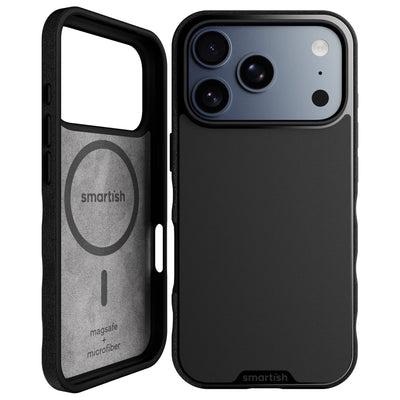

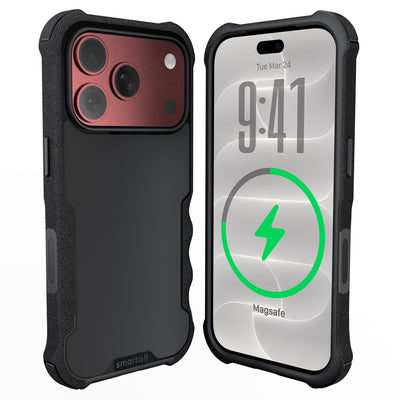
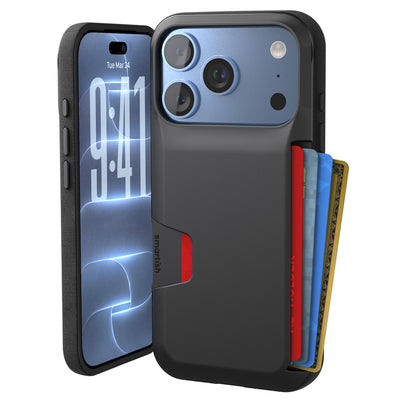
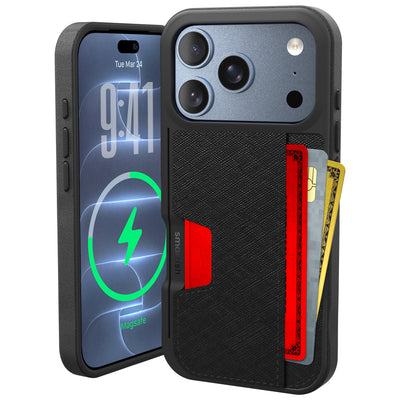

Your phone is basically an extension of your hand these days. It’s your camera, your map, your connection to the world (and your questionable late-night impulse buys). But let’s be real, it’s also a magnet for dust bunnies, greasy fingerprints, and the occasional rogue coffee drip. That’s where a good case comes in. It’s the unsung hero protecting your precious tech from the everyday chaos. But what happens when the protector itself gets… well, less than pristine? Keeping your phone case clean shouldn’t be a whole ordeal. You want a quick, effective way to make it look fresh without risking damage. We get it. That’s why we’re breaking down exactly how to clean your Smartish case, so it stays looking sharp and doing its job.
Forget harsh chemicals and complicated routines. We’re talking about simple, straightforward methods that work with the materials Smartish uses. Whether you’ve got a slim Gripmunk, a beefier Gripzilla, or one of our wallet-friendly Wallet Slayer models, there’s a straightforward approach to get it sparkling again. This isn’t about keeping your case in a sterile bubble; it’s about making it easy to maintain, so you can focus on, you know, living your life. Let’s get down to business and tackle that grime.
How to Clean a Smartish Case: The Quick Answer
So, you’ve got a case that’s seen better days and you’re wondering, "how do you clean a smartish case?" The good news is, it’s usually a pretty simple process. Most Smartish cases are designed with both durability and easy maintenance in mind. The core idea is to use gentle, readily available cleaning agents and tools that won’t compromise the case’s material, finish, or protective qualities. Think mild soap, water, and a soft cloth. For tougher spots or sanitizing, a common household disinfectant like isopropyl alcohol is often your best bet, as 70% isopropyl alcohol is safe for most Smartish case materials according to official guidance.
The goal is to remove dirt, grime, and smudges without causing any harm. This means avoiding abrasive scrubbers, harsh solvents, or anything that could strip away prints or dull the finish. By following a few basic steps, you can restore your case’s look and feel, ensuring it continues to protect your phone effectively and look good doing it. We’ve outlined the essential supplies and the fundamental cleaning process to get you started, covering the basics before we explore specifics for different case types.
Supplies Checklist
Gathering the right tools beforehand makes the cleaning process smooth and efficient. You probably already have most of these items lying around your home.
- Soft, lint-free cloths (microfiber cloths are ideal to prevent scratches)
- Mild dish soap or hand soap
- Warm water
- 70% isopropyl alcohol (for disinfecting or tougher grime)
- Cotton swabs (for getting into tight spots)
- Optional: A soft-bristled toothbrush for stubborn dirt
The 3-Step Basic Clean
For everyday cleaning or light messes, a simple three-step routine will likely do the trick. This method is gentle enough for most Smartish cases and helps maintain their appearance over time. Start by removing your phone from the case, which is always the safest first step to avoid water damage to your device. Then, you can focus solely on the case itself. This quick clean focuses on removing surface-level dirt and everyday smudges.
First, dampen a soft microfiber cloth with warm water and a tiny bit of mild dish soap. Gently wipe down the exterior and interior of the case, paying attention to any visibly dirty areas. For slightly more stubborn spots, you can use a cotton swab dipped in the soapy water. Rinse the cloth thoroughly, and wipe down the case again with just water to remove any soap residue. Finally, dry the case completely with a separate, dry microfiber cloth before placing your phone back inside. This ensures no moisture is trapped, which could potentially affect your phone or the case itself.
Cleaning by Case Type: Gripmunk, Gripzilla, Wallet Slayer & More
Smartish designs a range of cases, each with its own personality and purpose, from the slim and sleek Gripmunk to the strong Gripzilla and the multi-functional Wallet Slayer series. Because they’re made from slightly different materials and feature distinct designs, their cleaning needs can vary. Understanding these differences ensures you’re using the best method for your specific case, whether you’re dealing with fingerprints on a clear case, general grime on a colored one, or keeping the wallet features of the Wallet Slayer pristine. The key is to match the cleaning approach to the case’s construction.
For example, while most materials handle mild soap and water well, some finishes or printed designs might be more sensitive. Our clear cases, while offering great visibility, can sometimes show smudges more readily. Wallet cases, with their card slots, require a bit more care to ensure no debris gets lodged in the compartments. We’ve put together some specific guidance to help you tackle the cleaning of each popular Smartish case family, ensuring you know exactly what to do to keep your chosen protection looking and functioning its best. This tailored advice helps maintain the integrity and appearance of your Smartish gear.
How to Clean a Gripmunk (Slim) Case
The Gripmunk is all about keeping things slim and stylish. Its smooth finish is generally easy to wipe down. For regular cleaning, simply use a damp microfiber cloth with a touch of mild soap. Gently rub away any smudges or light dirt. Make sure to follow up with a clean, damp cloth to rinse off any soap residue, and then dry it thoroughly with a separate dry cloth. This method preserves the case’s sleek look and feel without causing any damage or dulling its color.
How to Clean a Gripzilla (Protective) Case
The Gripzilla is built to take a bit more of a beating, meaning its materials are tough and can handle a slightly more thorough cleaning. Start by removing your phone. You can use the same mild soap and warm water solution as with the Gripmunk. For any deeper grime or scuffs, you might consider using a soft-bristled toothbrush lightly with the soapy water. After scrubbing gently, rinse the case thoroughly with a clean, damp cloth. Ensure all soap is removed, and then dry it completely with a microfiber cloth before reinserting your phone. This ensures the protective qualities remain intact.
How to Clean a Wallet Slayer Vol. 1 or Vol. 2
The Wallet Slayer cases combine protection with practical storage. When cleaning these, pay special attention to the card slots. First, remove your phone and any cards or cash. Use a damp cloth with mild soap to wipe down the exterior and the inside of the card slots. For stubborn dirt inside the slots, a dry toothbrush or a cotton swab can help dislodge it. Avoid getting excessive moisture deep into the wallet mechanism, if applicable, and never submerge the case. After cleaning, allow the case to air dry completely, ensuring the slots are free of moisture, before reassembling. This protects both the case and your cards.
How to Clean a Clear Smartish Case
Clear cases are fantastic for showing off your phone’s original design, but they can be prone to showing every fingerprint and smudge. For routine cleaning, a damp microfiber cloth is your best friend. For disinfecting or tackling tougher grime, 70% isopropyl alcohol can be used sparingly. Dampen a cloth or cotton swab with the alcohol and gently wipe the surface. Be sure to wipe it down afterward with a clean, damp cloth to remove any alcohol residue, which can sometimes dull clear plastics over time if left on. Dry thoroughly. While yellowing is a natural process for clear plastics over time due to UV exposure, consistent cleaning helps maintain clarity.
| Case Type | Recommended Cleaning Method | Key Considerations |
|---|---|---|
| Gripmunk (Slim) | Mild soap & warm water, damp microfiber cloth. Rinse and dry. | Focus on exterior finish; avoid abrasive materials. |
| Gripzilla (Protective) | Mild soap & warm water, soft-bristled toothbrush for tough spots. Rinse and dry. | Durable materials can handle light scrubbing; ensure thorough rinsing. |
| Wallet Slayer (Vol. 1/2) | Mild soap & water on exterior and slots. Use swab/brush for slots. Air dry thoroughly. | Remove contents first; prevent moisture in card compartments; ensure slots are dry. |
| Clear Cases | Damp microfiber cloth. 70% isopropyl alcohol sparingly for disinfection/grime. Rinse residue and dry. | Wipe frequently to prevent smudges; alcohol can help but rinse residue. Address potential yellowing. |
Using the right tools is half the battle. Microfiber cloths are superior to paper towels because they trap dirt and oils effectively without leaving behind lint or causing micro-scratches on your case's surface. For disinfecting, the official Smartish cleaning page confirms that 70% isopropyl alcohol is suitable for most of their products.
Step-by-Step: How to Deep Clean Your Case and Phone
Sometimes, a quick wipe-down just doesn’t cut it. Maybe your phone case has seen one too many accidental drops onto the sidewalk, or perhaps it’s spent a little too much time in a pocket full of lint and questionable pocket treasures. For those moments when your Smartish case needs a serious refresh, a deep clean is in order. This process goes beyond surface-level smudges to tackle grime that’s settled in, ensuring both your phone and its protective shell stay in top shape. It’s about giving your gear a revitalizing spa day, without the spa prices or the risk of damaging your valuable device.
Taking care of your phone and its case doesn't have to be complicated. We’ve broken down the deep cleaning process into straightforward steps. This guide ensures you handle everything safely, from gently removing your case to making sure it’s completely dry before reassembly. Following these instructions will help you maintain the integrity of your Smartish case, preserve its look, and keep your phone protected, all while avoiding common cleaning pitfalls that could cause damage. Let’s get your phone looking and feeling its best.
How to Remove Your Smartish Case Safely
Before you can truly deep clean your Smartish case, the first and most critical step is safely removing it from your phone. This protects your device from any moisture or cleaning agents. For most Smartish cases, this is a simple process: gently pry the edges of the case away from your phone, starting at a corner or the bottom edge. Work your way around, easing the phone out of its snug fit. Avoid using excessive force or sharp objects, which could scratch your phone or damage the case itself. If you have a wallet-style case, like the Dancing Queen - Crossbody Wallet Case for iPhone 11 Pro Max, make sure to remove any cards and cash first, as this can sometimes make the case more flexible and easier to remove without strain.
With the phone out, you have full access to the interior of the case. This is where a lot of hidden dust and debris can accumulate, especially around the camera cutouts and charging ports. Taking this step ensures you’re not trying to clean around your phone, which is awkward and risky. A clean, empty case is much easier to scrub and rinse thoroughly, making the entire deep cleaning process more effective and much safer for your phone. Remember, patience is key here; a gentle approach prevents accidental damage to your device or its protective shell.
Clean Your Phone While It's Naked
Now that your phone is free from its protective shell, it’s the perfect opportunity to give the device itself a quick clean. While this article focuses on the case, a clean case deserves a clean phone. Use a separate, slightly damp microfiber cloth to wipe down your phone’s screen and body. For disinfecting your phone, it’s recommended to use a product safe for electronics. According to guidance similar to what Wirecutter suggests for disinfecting phones, a 70% isopropyl alcohol wipe or spray is generally safe for most phone surfaces, but always check your phone manufacturer’s recommendations. Avoid getting moisture into any ports or openings. This brief cleaning session ensures that when you reassemble, your phone is as fresh as its newly cleaned case.
This step is quick but valuable. It prevents transferring any residual grime from the phone back onto the freshly cleaned case. Think of it as a synchronized cleaning routine for your essential tech duo. After wiping down your phone, set it aside in a safe, dry place while you focus on giving the case its thorough treatment. This dedicated time for each component ensures that both parts of your phone setup are pristine and ready to be reunited.
Wash and Scrub the Case
Now for the main event: giving your Smartish case the deep clean it deserves. Start by rinsing the case under cool or lukewarm running water to remove any loose dirt or debris. Then, apply a small amount of mild dish soap or hand soap to a soft microfiber cloth or a soft-bristled toothbrush. Gently scrub all surfaces of the case, inside and out. Pay extra attention to textured areas, button covers, and any crevices where grime might hide. For tougher stains or sticky spots, you can create a paste using a bit of baking soda and water, but use this sparingly and test on an inconspicuous area first, as it can be abrasive on certain finishes. The official Smartish cleaning page confirms that 70% isopropyl alcohol is safe for disinfecting most of their products, so for stubborn grime or sanitizing, you can dampen a cloth or cotton swab with it and gently wipe down the case.
When cleaning wallet cases, like the aforementioned Dancing Queen - Crossbody Wallet Case for iPhone 11 Pro Max, be meticulous about the card slots. Use a cotton swab or a dry toothbrush to dislodge any dirt or lint trapped within the compartments. The goal is to clean thoroughly without soaking the case, especially if it has any fabric or leather components. After scrubbing, rinse the case thoroughly under running water to remove all soap and alcohol residue. Residual soap can make the case feel slick, while alcohol left on too long might affect some finishes. A good rinse is key to a clean finish.
Dry Completely Before Reassembling
This is perhaps the most overlooked, yet most important, step in deep cleaning your phone case: ensuring it's completely dry. Moisture trapped inside a case can lead to condensation buildup, which can damage your phone’s ports, speakers, or even the screen over time, particularly in humid conditions. After rinsing, shake off any excess water and then pat the entire case dry with a clean, dry microfiber cloth. Use a cotton swab or a dry cloth to get into all the nooks and crannies, especially around button cutouts, charging ports, and the interior of card slots. If your case feels even slightly damp, give it more time to air dry.
To guarantee complete dryness, especially for wallet cases or those with complex designs, let the case air dry in a well-ventilated area for several hours, or even overnight, before putting your phone back in. Avoid using heat sources like hairdryers, as excessive heat can warp or damage the case materials. Once you are absolutely certain the case is bone dry, both inside and out, you can carefully reinsert your phone. This thorough drying process ensures your Smartish case continues to protect your device effectively and safely, ready for whatever your day throws at it. Properly cleaning and drying is essential for maintaining your case's lifespan and appearance.
Pro Tip: For maximum protection and a fresh start, consider a quick clean with a damp cloth every few days. This prevents dirt and grime from building up, making deep cleans less frequent and much easier when they are needed. A simple wipe-down can make a big difference over time!
Keep Your Case Looking New (and Prevent Yellowing)
Even the toughest cases can start to look a little tired if not cared for properly. For Smartish cases, especially those with clear elements or delicate finishes, a little proactive maintenance goes a long way. While we design our products to be resilient against everyday fumbles and drops, keeping them looking sharp is about understanding how to preserve their materials and finishes over time. This section dives into the common issues like yellowing and debris buildup, offering practical advice to keep your Smartish gear looking its best and functioning reliably.
It's not just about aesthetics; a case that's free from trapped debris also offers better protection. Tiny particles can act like sandpaper against your phone’s finish, causing micro-scratches that are impossible to buff out. By addressing these points, you ensure your case not only looks good but continues to provide optimal protection, all while adopting habits that are kinder to the planet.
Why Clear Cases Yellow. And How to Slow It Down
Clear phone cases are fantastic for showing off your phone's original design, but they have a common enemy: yellowing. This isn't a defect; it's a natural consequence of the materials used, primarily polycarbonate and TPU, reacting to environmental factors. Exposure to ultraviolet (UV) light from the sun and heat are the main culprits. Over time, these elements break down the plastic's molecular structure, causing it to oxidize and turn yellow. Research indicates that most clear cases begin showing signs of yellowing after about 3-6 months of regular use due to UV exposure and heat.
While you can't entirely stop this natural aging process for clear plastics, you can certainly slow it down. The best defense is consistent cleaning. Regularly wiping down your clear case with a damp cloth, as mentioned in our basic cleaning steps, helps remove UV-accelerating residues. Storing your phone away from direct sunlight when not in use also makes a difference. For example, leaving your phone on a sun-drenched windowsill will hasten the yellowing process significantly compared to keeping it in a bag or drawer. Think of it as giving your case a little shade to stay clearer longer.
Stop Debris From Trapping Inside Your Case
The space between your phone and its case, especially around ports and seams, can become a magnet for dust, lint, sand, and other tiny particles. This isn't just unsightly; it's a genuine threat to your phone's finish. When these particles get trapped, they can get ground into the surfaces during normal phone use, creating fine scratches that dull your phone's back or sides. This is particularly problematic for cases that have a snug fit or for phones with glossy finishes.
Preventing this buildup starts with mindful handling and regular attention. After removing your phone from its case for cleaning, take a moment to inspect the interior. Use a dry microfiber cloth or a soft brush to sweep out any loose debris before reassembling. Keeping your pockets and bags relatively clean also helps. If you work in a dusty environment, consider a quick wipe-down of the case exterior and interior at the end of each day. For our Wallet Slayer models, pay extra attention to the card slots to ensure no grit gets lodged there, which could scratch your cards or your phone if it slides out.
How Often Should You Clean Your Case?
The frequency of cleaning really depends on your lifestyle and environment. For most people, a quick wipe-down with a damp microfiber cloth every few days is sufficient to keep the exterior looking fresh and prevent major buildup. This light maintenance tackles fingerprints, smudges, and minor surface dirt before they become problematic. If you’re particularly active, exercise regularly, or spend a lot of time outdoors, you might find daily wiping beneficial.
A more thorough deep clean, involving mild soap and water or 70% isopropyl alcohol, should be performed whenever you notice significant grime, stickiness, or if you want to disinfect the case. This might be once a week, once every two weeks, or even less often if your case stays relatively clean. For wallet cases, it’s a good practice to empty and wipe down the card slots monthly to prevent residue buildup. The goal is to find a rhythm that works for you, ensuring your case remains clean and protective without becoming a chore. A consistent, light touch is often better than infrequent, aggressive cleaning.
Eco-Friendly Cleaning Habits
Keeping your Smartish case clean doesn't have to mean a heavy reliance on harsh chemicals or disposable wipes. You can adopt practices that are both effective and gentler on the environment. Start with the basics: water and mild dish soap are usually all you need for routine cleaning. Microfiber cloths, while an initial purchase, are reusable and durable, eliminating the need for paper towels which contribute to waste. Look for cloths made from recycled materials if possible.
When disinfecting is necessary, 70% isopropyl alcohol is a widely available and relatively eco-friendly option compared to many specialized cleaners. It evaporates quickly, leaving minimal residue. For tougher buildup, consider a paste of baking soda and water, which uses common household ingredients. Avoid aerosol sprays or cleaners with excessive volatile organic compounds (VOCs). By choosing simple, readily available cleaning agents and durable, reusable tools, you can maintain your Smartish case effectively while minimizing your environmental footprint. This approach aligns with Smartish’s philosophy of practical, no-fuss solutions.
Eco-Conscious Cleaning Checklist:
- Reusable Cloths: Opt for microfiber over paper towels.
- Mild Soaps: Biodegradable dish soap is effective and gentle.
- Water-Based Solutions: Use water and mild soap or 70% isopropyl alcohol.
- Baking Soda Paste: A natural abrasive for tough spots.
- Air Dry: Avoid heat sources; let it dry naturally.
What Not to Use (and Other Common Questions)
Navigating the field of phone case care can sometimes feel like a minefield of conflicting advice. To ensure you’re cleaning your Smartish case the right way. The safe way. It’s just as important to know what to avoid as it is to know what to use. We’ve compiled answers to some of the most common questions and concerns to clear up any confusion, ensuring your case stays protected and looking its best without any accidental damage.
This section addresses specific materials and methods that could harm your case, especially those with prints or special finishes. Whether you're wondering about harsh chemicals, abrasive cleaners, or if alcohol is truly safe, we’ve got you covered. Our aim is to provide clear, authoritative answers based on how Smartish products are made, so you can clean with confidence and keep your gear in top shape for the long haul.
Chemicals and Tools to Avoid
To keep your Smartish case in prime condition, steer clear of certain cleaning agents and tools that can cause irreversible damage. Harsh solvents like acetone, paint thinner, or strong industrial cleaners should never be used. These chemicals can break down the plastic, dissolve adhesives, or strip away protective coatings and printed designs. Bleach, while a common disinfectant, is also too aggressive and can discolor or weaken the case materials.
For tools, avoid anything abrasive. Steel wool, rough scouring pads, or stiff-bristled brushes can easily scratch the surface of your case, leaving it looking dull and worn. Even paper towels, while seemingly soft, can contain wood fibers that cause micro-scratches over time, especially on glossy or clear finishes. Stick to soft, lint-free microfiber cloths for wiping and drying, and a soft-bristled toothbrush or cotton swabs for targeted cleaning in tight spots.
Can I Use Alcohol Wipes on My Smartish Case?
This is a frequent question, especially in the current climate where sanitization is top of mind. The good news is, yes, you generally can use alcohol wipes or a solution of 70% isopropyl alcohol on most Smartish cases. Official guidance from Smartish confirms that 70% isopropyl alcohol is safe for disinfecting their products. It's effective at killing germs without being overly harsh on common case materials like polycarbonate or TPU. But, it’s always best to use them sparingly and wipe down the case with a clean, damp cloth afterward to remove any potential residue that could dull the finish over time if left to dry.
When using alcohol, apply it to your cloth or swab first, not directly onto the case. This gives you better control and prevents excess liquid from seeping into sensitive areas like port openings. For cases with printed designs or special finishes, it's still wise to test on a small, inconspicuous area first. While 70% alcohol is generally safe, very delicate prints might show some fading with repeated, aggressive wiping. A gentle touch is key.
Will Cleaning Damage the Print or Finish?
The potential for damage depends entirely on the cleaning method and agents used. If you stick to the recommended gentle approach. Mild soap, water, and microfiber cloths. You’re highly unlikely to damage the print or finish on your Smartish case. These methods are designed to remove dirt without affecting the case's appearance or integrity. This is why we emphasize using soft materials and avoiding harsh chemicals.
But, using abrasive cleaners, rough tools, or potent solvents can absolutely damage prints and finishes. For example, scrubbing too hard with a baking soda paste on a delicate printed design could lift or smudge the ink. Similarly, leaving strong disinfectants on for extended periods or using them frequently might dull a glossy finish or affect the texture of a matte case. Always follow the guidelines provided: gentle scrubbing, mild agents, and thorough rinsing, and your case’s look and feel should remain intact. For example, the Dancing Queen - Crossbody Wallet Case for iPhone 11 Pro Max has specific design elements that benefit from careful cleaning to maintain its aesthetic.
Can I Use Baking Soda or Toothpaste?
Baking soda can be a useful natural cleaner, but it must be used with caution. As a mild abrasive, it can help scrub away stubborn grime. But, if used too aggressively or on delicate finishes, it can cause micro-scratches. If you choose to use baking soda, mix it with water to form a paste and apply it gently with a soft cloth or cotton swab, focusing on the affected area. Always rinse thoroughly afterward. It’s generally safer for colored or matte finishes than for high-gloss or printed ones.
Toothpaste, on the other hand, is generally not recommended for cleaning phone cases. While some people use it for polishing certain materials, many toothpastes contain abrasives (like silica) and whitening agents that can be too harsh for phone case plastics. These ingredients can scratch the surface, dull the finish, or even damage printed designs. It’s best to stick to proven, gentler cleaning methods that are specifically recommended for phone cases.
My Case Smells. What Now?
A lingering odor in your phone case can be unpleasant, often caused by absorbed oils, sweat, food particles, or simply prolonged contact with pocket contents. The good news is that most smells can be eliminated with a thorough cleaning. Start with a deep clean using mild soap and warm water. Ensure you wash the interior and exterior thoroughly, paying attention to any crevices or textured areas where odor-causing compounds might hide. A soft-bristled toothbrush can help agitate these areas.
After washing, rinse the case completely and let it air dry thoroughly in a well-ventilated spot. Sometimes, a light odor might persist. In such cases, using a 70% isopropyl alcohol solution on a cloth can help disinfect and neutralize odors. For stubborn smells, you can place the clean, dry case in an airtight container or zip-top bag with an odor absorber like baking soda (in an open small dish, not directly on the case) or activated charcoal for 24-48 hours. This will help draw out residual odors. Ensure the case is completely dry before reassembling with your phone.
Common Cleaning Questions Answered
Pros
- 70% Isopropyl Alcohol: Effective disinfectant, generally safe for most Smartish cases.
- Mild Soap & Water: Gentle and effective for everyday cleaning and removing grime.
- Microfiber Cloths: Ideal for wiping and drying without scratches.
- Baking Soda Paste: Useful for tough spots, but use gently.
- Thorough Drying: Essential for preventing moisture damage and odors.
Cons
- Harsh Solvents (Acetone, etc.): Can dissolve or damage case materials and finishes.
- Abrasive Tools (Steel Wool, Rough Pads): Will scratch surfaces and ruin prints.
- Bleach: Too aggressive, can discolor or weaken materials.
- Toothpaste: Often too abrasive, can damage finishes.
- Excessive Heat: Can warp or damage case materials during drying.