




how do accessories work?
Accessories surround us, shaping how we look, feel, and interact with the things we carry daily. From the phone grip that saves a fumble to the belt that holds your pants up while adding a dash of style, accessories exist to serve practical functions and personal flair. But what exactly are accessories, and how do they work to make life smoother or more expressive? Understanding this can clear the fog around buying choices and help you find the right piece that fits your needs without cluttering your life.
Key Takeaways
- Accessories fill two jobs at once: they fix everyday problems like keeping your phone safe while letting you show off your personal style.
- A good accessory isn't just an extra thing you carry, it's a tool that makes your life easier by solving a specific hassle you didn't even know you had.
- Think of accessories as the small helpers that bridge the gap between pure function and your own taste, turning boring chores into something you actually enjoy.
- When you pick an accessory, focus on what problem it solves for you, not just how it looks, that's how you avoid ending up with clutter you never use.
- The best accessories become invisible after you start using them, they work so smoothly you forget they're there until you need them.
Whether you’re juggling keys, wallets, and phones or aiming to polish an outfit with just the right touch, knowing how accessories work is your secret weapon. Let’s break it down from the basics to the benefits, cutting through the noise with clear, no-nonsense insight.
What is how do accessories work??
At its core, an accessory is anything added to a primary item or outfit that serves a purpose beyond the main function. According to Wikipedia, fashion accessories are objects like jewelry, belts, hats, or scarves that complement clothing. But accessories aren't limited to fashion. They extend to gadgets, vehicles, and practically any product category where add-ons improve usability, protection, or style.
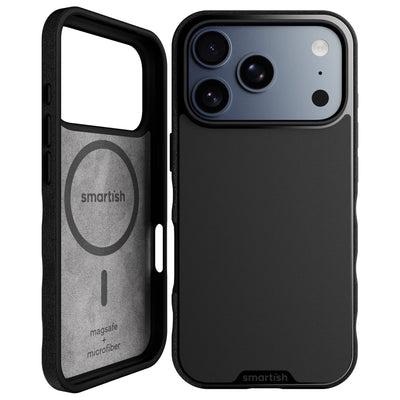
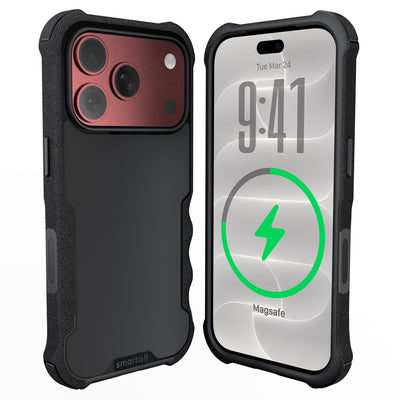
So how do accessories work? They function by addressing challenges or enhancing capabilities that the main item alone cannot handle well. For example, a phone case with a grip provides better hold and drop protection, while a smartwatch band lets you customize comfort and appearance. To rephrase, accessories solve problems you might not even realize exist until you experience the difference.
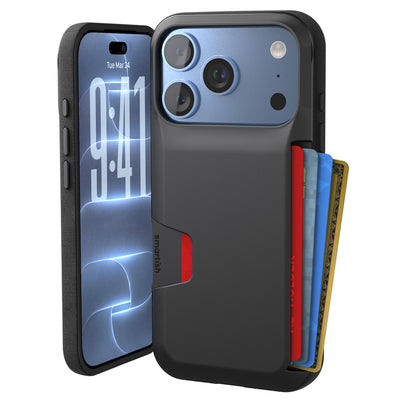
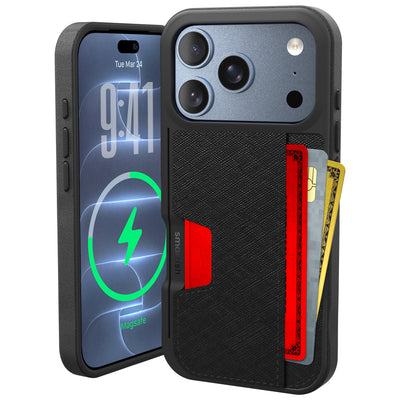
Accessories work through design choices that blend function and form. Materials, shape, attachment methods, and ergonomics all play roles. Take a wallet-phone case hybrid: it combines slimness and card-holding capacity without making your phone bulky. Our designers rigorously test grip textures and pocket fits to ensure the accessory feels like part of your daily routine, not a nuisance. This hands-on approach exemplifies how understanding user behavior influences how accessories actually perform.
Benefits of how do accessories work?

Accessories bring a range of benefits that go beyond mere decoration. First, they add practical value by solving everyday problems. A phone grip prevents drops and reduces the risk of cracked screens, saving you from costly repairs and hassle. Similarly, a key organizer untangles jingling clutter and prevents scratches on your phone or wallet. These small but smart adjustments make life easier and less stressful.
Another benefit lies in personalization. Accessories allow you to express your style or adapt an item to your unique preferences. Whether it's choosing a watch band that matches your mood or a phone case with a distinctive pattern, accessories let you put your stamp on what you carry. This personal touch can boost confidence and make your essentials feel more “you.”
Accessories also improve functionality by extending what your main items can do. Consider a charging case that doubles as a protective shell. It keeps your device powered and safe without the need to carry separate bulky chargers. This kind of integration exemplifies how accessories work to combine convenience and utility in one package.
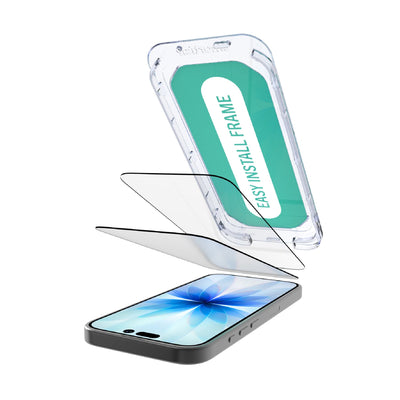
From a financial standpoint, smart accessories can protect your investments. A sturdy case or screen protector guards against accidental damage, potentially saving hundreds on replacements or repairs. Quality materials and thoughtful design ensure durability, meaning you won’t have to replace the accessory itself frequently. This longevity adds up to better value over time.
Finally, accessories can improve ergonomics and comfort. Take grips and stands designed to fit natural hand positions or reduce strain during use. These details matter for devices you hold all day long. At Smartish, we focus on features like raised edges and textured sides to improve grip without adding bulk. When accessories work well, they become invisible helpers that improve your daily routine without drawing attention.
How to Choose how do accessories work?
Choosing the right accessory involves more than just picking what looks cool or fits your budget. When considering how do accessories work, the focus should be on how well they solve your specific needs without adding bulk or hassle. Start by identifying the problem you want to solve or the function you want to improve. Are you looking for better grip on your phone, extra storage for cards, or a way to keep your devices powered on the go? Clear goals will help you filter options efficiently.
Next, think about compatibility. Accessories must sync with the item they’re meant to complement. For example, a phone case or grip designed for your specific model ensures proper fit and access to buttons, ports, and cameras. Ill-fitting accessories can frustrate, interfere with use, or even cause damage. This principle applies to fashion accessories as well: a belt should match your waist size and pant style, while a watch band should fit the lug width of your timepiece precisely.
Material quality and durability are important. Accessories often take a beating from everyday use, so look for sturdy construction and reliable materials that won’t wear out quickly. For tech accessories, this means shock-absorbing cases, secure adhesives, or corrosion-resistant metals. For fashion items, consider fabrics or metals that resist tarnishing, stretching, or fading. Investing in quality upfront usually saves you the headache of replacements and disappointments later.
Ergonomics and comfort also play a big role in how well an accessory works. If you’re buying a phone grip or stand, it should feel natural in your hand and not interfere with your daily tasks. A wallet or bag must carry essentials without becoming a burden. Try handling the accessory if you can, or read detailed reviews that highlight user experience. Accessories that feel like a natural extension of your routine will get more use and deliver real value.
Style matters, but it should not override function. Accessories are personal statements, so choose designs that reflect your taste while serving their purpose effectively. A well-chosen accessory balances aesthetics with practicality, blending into your lifestyle rather than complicating it. Whether that’s a sleek phone case with a subtle pattern or a bold necklace that complements your outfit, the right accessory adds personality without sacrificing utility.
Consider versatility and adaptability next. Some accessories shine because they serve multiple functions. A phone case with a built-in stand and card holder cuts down on what you carry. A scarf that doubles as a headband or wrap offers styling options. Prioritize products that can multitask well, saving space and money. This approach also minimizes clutter and keeps your daily essentials streamlined.
Price is always a factor, but it should align with quality and usefulness. Avoid impulse purchases based on low cost alone. Cheaper accessories often skimp on materials or design, leading to quick failures. Instead, think about the long-term value. A mid-range accessory that protects your device from drops or adds genuine convenience will pay off over time. Balancing cost with expected lifespan and features is key to smart buying.
Finally, check for customer feedback and expert insights. Reviews can reveal how well an accessory performs in real life, beyond marketing promises. Pay attention to comments about fit, durability, and ease of use. When possible, consult trusted sources or guides that explain how do accessories work effectively. This research helps avoid common pitfalls and ensures your choice meets expectations without surprises.
Key Insight
When selecting accessories, the best approach is to prioritize function first and style second, ensuring the item fits your lifestyle, complements your main gear, and holds up under daily use. Thoughtful choices avoid clutter and make your life easier in ways you might not have anticipated.
References
Frequently Asked Questions
Wondering how do accessories work might spark a few straightforward questions. Let’s tackle some of the common ones, so you can shop smarter and use your gear with confidence.
What counts as an accessory?
An accessory is anything added to a main item or outfit that provides extra function, protection, or style. In fashion, this includes items like belts, hats, scarves, jewelry, and watches. For tech devices, accessories range from phone cases and grips to charging cables and stands. Basically, if it’s not the core item but improves or customizes your experience, it’s an accessory. This wide scope means accessories can solve problems, add personality, or simply make daily life easier.
How do accessories work with devices or clothing?
Accessories work by addressing specific needs or gaps the main item cannot fully cover. Take a phone case: it protects against drops and scratches while sometimes adding grip or a stand feature. A belt holds pants in place and can also define your style. The effectiveness comes down to good design. Materials that fit the purpose, proper attachment methods, and ergonomics that feel natural. Well-made accessories become smooth extensions of your gear or outfit, improving usability without getting in the way.
How do I choose the right accessory?
Start by pinpointing your main goal. Are you after protection, convenience, or style? Next, ensure the accessory fits the item perfectly. For example, a phone case must match your model’s size and button layout, while a watch band needs the correct lug width. Material quality matters too. Durable, well-crafted pieces last longer and perform better. Comfort is key: grips should feel natural, and belts shouldn’t pinch or slip. Finally, pick designs that fit your personal vibe without sacrificing function.
Why are accessories important?
Accessories matter because they solve problems and add value that the primary item alone cannot provide. They protect your devices from damage, organize clutter, and save time or hassle. On the fashion side, they express personality and polish your look. Good accessories can even improve ergonomics and comfort, making everyday tasks easier. Ultimately, they let you customize your experience, keeping essentials practical and personalized.
Are all accessories worth buying?
Not necessarily. The market offers endless options, but not every accessory delivers real value. The key is to buy with purpose: choose items that clearly solve a problem or suit your lifestyle. Avoid impulse buys that seem cool but don’t fit your needs or gear. Quality over quantity wins here. Investing in well-designed accessories that last and perform well saves money and frustration down the line.
How can I test if an accessory works well?
Whenever possible, handle the accessory before buying. Check fit, feel, and ease of use. Does a phone grip feel secure but not bulky? Does a belt adjust smoothly and stay put? If you’re shopping online, look for detailed reviews mentioning these aspects. Watch for comments on durability and compatibility. Accessories that pass these tests will integrate well into your daily routine and avoid becoming drawer clutter.
Can one accessory serve multiple purposes?
Definitely. Multi-function accessories are smart choices because they reduce what you carry and add convenience. For example, a phone case with a built-in card holder eliminates the need for a separate wallet. A scarf can double as a headband or wrap. This versatility keeps your essentials streamlined, making your life simpler and less cluttered.
By addressing these FAQs, you’ll navigate the accessory world with fewer headaches and more confidence. Knowing how do accessories work means you buy smarter, use them better, and get the most out of your gear and style.