



Key Takeaways
- Drop tested iPhone 17 cases provide proven protection beyond just marketing claims.
- Real-world drop tests ensure your iPhone 17 stays safe from everyday accidents.
- Choosing a well-tested case can prevent costly damage after accidental drops.
- Effective cases combine practical protection with smart design features.
Table of Contents
- Quick Answers – What To Know Up Front
- Drop Protection, Why Your iPhone 17 Needs It More Than Ever
- What Does "Drop Tested" Mean? Breaking Down the Buzzwords
- iPhone 17-specific Design, How Case Protection Has Changed (and Why)
- Anatomy of a Drop-Tested iPhone 17 Case: Materials & Features That Matter
- Drop Testing, How We (And Others) Do It: The Process, The Limits
- Drop-Tested vs. Not: Real-World Scenarios You'll Recognize
- The Fit Test, How to Install (and Remove) a Drop-Tested iPhone 17 Case Like a Pro
- Long-Term Living, How to Maintain & Clean Your Drop-Tested Case
- Drop Test Claims or Just Hype? Spotting Real Ratings vs. Marketing Bluster
Drop Tested iPhone 17 Cases Guide: Real-World Protection Meets Clever Design
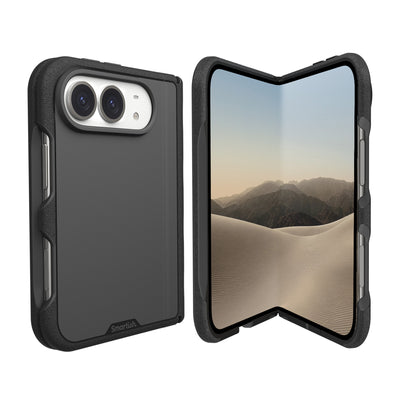
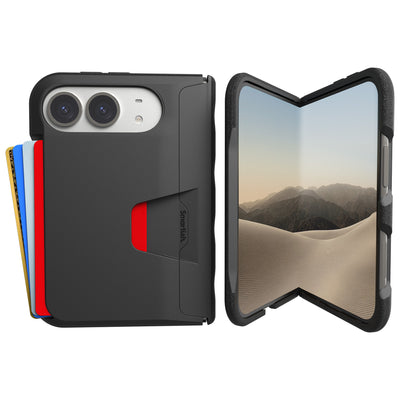
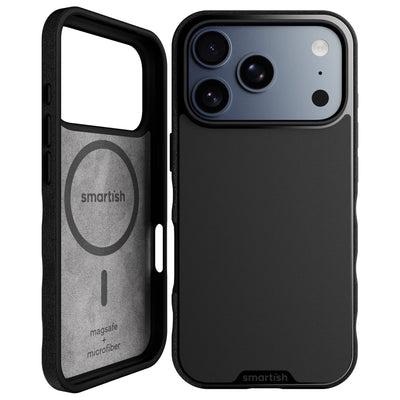
Your iPhone 17 survived the factory, shipping, and unboxing, but can it handle Tuesday morning? Drop tested iPhone 17 cases aren't just marketing speak when they're backed by real data. They're the difference between a pristine phone and expensive regret after that inevitable fumble. Gripmunk - Slim Case for iPhone 17 is a prime example of a case that delivers proven protection without unnecessary bulk.
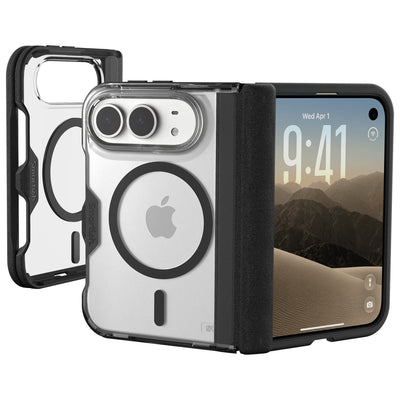
The best drop-tested cases combine genuine protection standards (think 6-foot drops, not gentle tumbles) with daily usability. No bulk for bulk's sake, no false promises, just clever design that keeps your iPhone 17 looking new while fitting seamlessly into your routine. For those seeking MagSafe compatibility, the Gripmunk with MagSafe® - Slim Case for iPhone 17 Pro offers both robust drop protection and magnetic convenience.
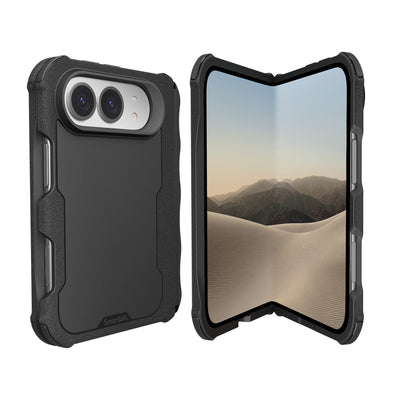
If you want even more rugged coverage, Gripzilla cases are engineered for maximum durability, making them a smart choice for anyone who needs extra peace of mind.
Drop Protection, Why Your iPhone 17 Needs It More Than Ever
Ceramic Shield 2 sounds impressive until you realize it's still glass meeting concrete at 32 feet per second squared. The iPhone 17's premium materials make it gorgeous and fragile in equal measure, a $1,000+ investment that depreciates fast with visible damage.
Real drops happen in mundane moments: pulling your phone from a jacket pocket, juggling coffee and keys, or that split-second fumble when someone tosses it back to you. Kitchen counters, car hoods, and bathroom tiles don't care about your phone's retail price.
A cracked iPhone 17 loses 30-40% of its resale value instantly. Drop tested iPhone 17 cases preserve that "like new" condition that matters when you're ready to upgrade or need to sell. Protection pays for itself in maintained value. For more insights on keeping your device in top shape, check out this iPhone 17 case blog with tips and recommendations.
The most common drop scenarios happen during commutes (stairs, curbs, train platforms), at the gym (locker room floors, equipment edges), and while traveling (hotel bathrooms, rental car consoles). A proper case turns these everyday hazards into non-events.
After any significant drop, check for loose buttons, camera misalignment, or screen responsiveness issues. Even with a great case, impacts can affect internal components, catching problems early prevents bigger headaches later.
What Does "Drop Tested" Mean? Breaking Down the Buzzwords

MIL-STD-810G is a real military testing standard, but it doesn't automatically mean "military-grade protection." It's a framework, what matters is how rigorously it's applied and documented.
Legitimate drop testing involves controlled conditions: specific heights, measured surfaces, multiple angles, and repeated impacts. The case must protect the phone through all scenarios, not just survive one lucky landing. Proper testing documents every drop, failure mode, and design iteration.
Marketing departments love terms like "military-grade" and "extreme protection," but these mean nothing without data. Real drop testing shows video evidence, specifies test conditions, and explains what "passing" actually means. Vague claims like "tested to withstand drops" are red flags.
Smartish drop testing happens in the real world: concrete surfaces, 6-foot heights, and 50 drops per case design. Every model, from slim Gripmunk to protective Gripzilla, meets the same standard. No exceptions, no marketing shortcuts.
When evaluating drop test claims, look for specific numbers (height, surface, drop count), third-party certifications, and actual test footage. If a brand won't show their testing process, question whether it exists at all. For a deeper dive into the science behind drop tests, see this comprehensive overview of drop test standards.
iPhone 17-specific Design, How Case Protection Has Changed (and Why)
The iPhone 17's camera plateau creates new protection challenges. That raised camera bump needs a corresponding raised camera ring on your case, otherwise, lens scratches become inevitable when placed face-down on surfaces.
The Camera Control button demands precision engineering. Cases need exact cutouts for this feature, ensuring you get full functionality without sacrificing protection. Raised screen edges (about 1mm) and air-pocket corners are now standard for all Smartish cases, providing face-down and corner impact protection. These design tweaks keep your iPhone 17 safe from the new hazards that come with the latest hardware.
Anatomy of a Drop-Tested iPhone 17 Case: Materials & Features That Matter
The difference between a case that cracks and one that saves your phone comes down to materials and engineering. Drop tested iPhone 17 cases rely on specific material combinations designed to absorb impact energy rather than transfer it to your device. Polycarbonate shells provide rigid structure, while TPU (thermoplastic polyurethane) offers flexibility that disperses shock across the case's surface. If you prefer a lighter feel, the Gripmunk - Slim Case for iPhone Air delivers slim protection without sacrificing safety.
| Material | Impact Absorption | Durability | Grip Factor | Best For |
|---|---|---|---|---|
| Polycarbonate | Rigid protection | Scratch resistant | Smooth surface | Slim cases with structure |
| TPU | Flexible shock absorption | Tear resistant | Naturally grippy | Corner protection, edges |
| Silicone | Soft impact cushioning | Moderate wear | High grip | Budget-friendly options |
| Hybrid Construction | Best of both worlds | Long-lasting | Engineered texture | Premium drop protection |
Critical protective features separate marketing fluff from real protection. Air-pocket corners create crumple zones that absorb the most dangerous impacts, those direct corner strikes that typically shatter screens. A raised screen edge (around 1mm) keeps your display off surfaces when face-down, while a raised camera ring protects those expensive lenses from scratches and impacts.
Finger grooves aren't just comfort features, they're drop prevention technology. Cases with engineered grip patterns, like Smartish's "grippy, not sticky" texture, reduce the likelihood of drops in the first place. Precise cutouts for the Camera Control button ensure you can access new iPhone 17 features without compromising protection, while MagSafe compatibility maintains wireless charging convenience.
The best drop-tested cases combine multiple materials strategically. Rigid backplates handle direct impacts, flexible edges absorb angular drops, and textured sides prevent slips. This engineered approach explains why some cases pass 50-drop tests while others fail after a single concrete encounter. For more on finding the right fit, read our guide to thin iPhone 17 cases that balance slimness and safety.
Drop Testing, How We (And Others) Do It: The Process, The Limits

Real drop testing involves methodical torture. Smartish puts every case through 50 drops from 6 feet onto concrete, not once, not ten times, but fifty consecutive impacts from multiple angles. We test corner drops, face drops, back drops, and edge impacts because real accidents don't follow patterns. If a case survives all 50 drops with the phone intact and functional, it passes. For those who want the ultimate in ruggedness, the Tough Cases collection is built to handle the harshest conditions.
Other brands often test differently, making comparisons tricky. Some drop onto softer surfaces, use lower heights, or test fewer repetitions. Military-grade standards like MIL-STD-810G sound impressive but don't always translate to real-world durability. The key is understanding what specific test protocol a brand used and whether it matches your actual usage patterns.
Safe Home Drop Test Process:
- Use an old phone or dummy device (never your primary phone)
- Start with low heights (2-3 feet) on carpet
- Check case integrity after each drop
- Document any cracks, separations, or loose fits
- Stop immediately if case shows damage
Testing limitations matter as much as the results. No case makes your phone invincible, and drop tests can't account for every possible impact scenario. Sharp objects, extreme temperatures, and repeated stress over time all affect protection levels. The goal isn't perfection, it's reliable protection for the accidents that actually happen in daily life.
Drop-Tested vs. Not: Real-World Scenarios You'll Recognize
The concrete parking lot test separates pretenders from protectors. Standard cases might handle a single drop onto carpet, but drop tested iPhone 17 cases survive the asphalt tumble when your phone flies off your car roof. The difference becomes obvious in high-impact situations: concrete sidewalks, tile floors, rocky hiking trails, and those heart-stopping moments when your phone bounces down stadium stairs. If you're looking for a versatile option, the Gripmunk with MagSafe® - Slim Case for iPhone Air is designed to handle these real-world challenges.
| Scenario | Standard Case | Drop-Tested Case | Likely Outcome |
|---|---|---|---|
| Concrete sidewalk drop | Screen cracks likely | Phone survives intact | $300+ repair avoided |
| Kitchen tile impact | Corner damage common | Minimal scuffing | Resale value preserved |
| Hiking trail tumble | Multiple impact points fail | Comprehensive protection | Adventure continues |
| Toddler throws phone | Unpredictable damage | Absorbs impact, stays safe | Peace of mind |
The Fit Test, How to Install (and Remove) a Drop-Tested iPhone 17 Case Like a Pro
Proper installation determines whether your drop-tested case actually protects or becomes a liability. Start with clean hands and a dust-free phone, any debris trapped during installation can scratch your device or prevent proper fit. Remove your phone from any existing case and wipe down all surfaces with a microfiber cloth.
Safe Installation Steps:
- Insert one corner first, typically bottom-left
- Work around the edges gradually, never forcing
- Press firmly but evenly around the perimeter
- Test all buttons and ports for proper alignment
- Verify Camera Control button accessibility
Removal requires patience to avoid damage. Never pull from one corner or use excessive force. Instead, start at a corner and gently work your way around, flexing the case material gradually. Quality drop-tested cases should install and remove smoothly, if you're fighting the fit, something's wrong with either the case or your technique. For more installation and care tips, see our article on best iPhone 17 cases for every lifestyle.
Check the final fit carefully. Properly installed cases sit flush against your phone without gaps, bubbles, or raised edges. All cutouts should align perfectly with ports and buttons. The Camera Control button should click naturally without requiring extra pressure. A well-fitted case feels like part of your phone, not an awkward addition.
Long-Term Living, How to Maintain & Clean Your Drop-Tested Case

Regular cleaning keeps drop-tested cases performing at peak protection levels. Accumulated grime and debris can interfere with proper fit and reduce impact absorption. Clean your case weekly with warm water and mild dish soap, using a soft-bristled toothbrush for textured surfaces and tight corners.
Clear cases require special attention to prevent yellowing. Anti-yellowing formulations in quality cases resist discoloration, but direct sunlight and heat still cause gradual changes. Store your phone face-down when possible and avoid leaving it in hot cars or direct sunlight for extended periods.
Cleaning Do's and Don'ts:
- ✓ Use mild soap and warm water
- ✓ Dry thoroughly before reinstalling
- ✓ Clean port areas with cotton swabs
- ✗ Avoid bleach or harsh chemicals
- ✗ Never use abrasive cloths or scrubbers
- ✗ Don't soak cases with fabric or leather elements
Replace cases when protection degrades. Cracks, loose fits, or worn corner protection compromise drop performance. Most quality cases last 12-18 months with regular use, longer with careful handling. When retiring old cases, check local recycling programs, many accept mixed plastic products. For more on the latest device releases and case compatibility, read our new iPhone 17 blog.
Drop Test Claims or Just Hype? Spotting Real Ratings vs. Marketing Bluster
Marketing language often obscures actual protection capabilities. "Military-grade" sounds impressive but tells you nothing about real-world performance, military standards vary widely and don't necessarily apply to civilian phone usage. Look for specific drop heights, surface types, and number of test repetitions instead of vague strength claims. For additional scientific context, see this external resource on drop impact studies.
Legitimate drop test claims are always backed by specifics: how high, how many drops, what surface, and what happened to the phone. If you can't find those details, it's probably just marketing fluff. Smartish publishes its drop test protocols and results, so you know exactly what your case can handle. For more insights and updates, check out Our Thoughts.
Frequently Asked Questions
What does 'drop tested' really mean when it comes to iPhone 17 cases, and how reliable are these tests?
Drop tested means the case has undergone controlled real-world impact tests, typically from about 6 feet, to ensure it can protect your iPhone 17 from common falls. These tests focus on practical scenarios, making them a reliable indicator of everyday protection rather than marketing fluff.
How do drop-tested cases protect my iPhone 17 from everyday accidents without adding unnecessary bulk?
Smart drop-tested cases use multi-layer shock absorption, air-pocket corners, and raised edges to shield your phone efficiently. Designs like Gripmunk offer proven protection while staying slim, so you get safety without the bulk.
Why is drop protection more important than ever for the iPhone 17, despite its Ceramic Shield 2 technology?
Ceramic Shield 2 is tough but still glass, which means it can crack on hard impacts. Everyday slips and fumbles happen on unforgiving surfaces, so a drop-tested case adds a crucial layer of defense to keep your investment safe and looking new.
What features should I look for in a drop-tested iPhone 17 case to ensure both durability and usability?
Look for air-pocket corners, raised screen and camera edges, precise cutouts, and materials designed to absorb shocks. Bonus points for MagSafe compatibility if you want magnetic convenience without sacrificing protection or adding bulk.