





do you need screen protector with good iPhone case
What a Good Case Actually Protects (and What It Misses)
Let's be real. A good case works hard. It soaks up shock, keeps corners from cracking, and adds grip so your phone stays put. But for your screen, even the toughest case has its limits. That raised lip around the display? It's built to keep glass off flat surfaces. Perfect for tabletops, but it won't save you when your phone face-plants on a rogue pebble or skids across a gritty sidewalk.
Key Takeaways
- A good case protects your phone's back and corners, but it leaves your screen vulnerable to direct impacts from sharp objects.
- The raised lip on most cases is designed for flat surfaces like tables, not for protecting against pebbles or rough pavement.
- If you drop your phone face down on uneven ground, a case alone won't stop the glass from cracking or scratching.
- Screen protectors handle the specific threats that cases miss, like pointy rocks and gritty debris that can chip your display.
- Pairing a solid case with a screen protector gives you full coverage for both the body and the glass of your phone.
The raised lip: your screen’s first line of defense
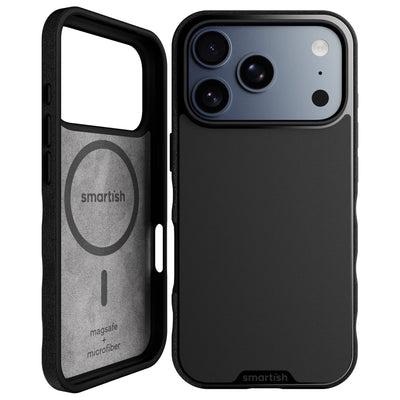
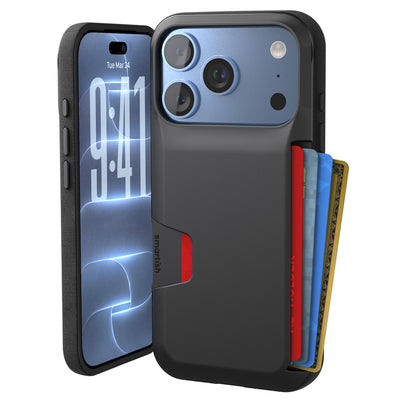
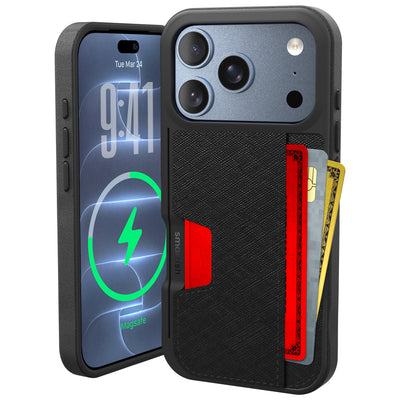
Most quality cases, like our Wallet Slayer Vol. 1, feature a raised lip. This clever design lifts your screen just enough to clear flat surfaces. It's your first line of defense against everyday table and counter scratches. But let's be clear: it's not a magic shield. A rogue grain of sand caught between the lip and a surface can still scratch your screen if you slide the phone. The lip helps, but it can't stop every tiny menace.
The gaps a case can’t cover: dust, sand, and pocket grit
Here's the rub: cases leave your screen open to the elements. Dust, sand, and pocket lint love to sneak around the edges and onto your display. Every time your phone slides into a pocket or bag, those tiny bits can cause fine scratches. A case alone can't block them. Ever seen hairline scratches on a phone you thought was safe? That's why. So, when you wonder if you need a screen protector with a good phone case, it boils down to what your case can (and can't) do.
3 Questions to Decide If You Need a Screen Protector
Forget a one-size-fits-all answer. Let's hit three quick questions to help you decide based on your real-life situation.
Question 1: How tall is your case's raised lip?
Grab a ruler and measure. Most cases offer 1-2 mm of lift. That's enough to keep the screen off a flat table, but not enough to prevent contact with uneven surfaces. If your case has a very tall lip (2.5 mm or more), you might get away without a protector for daily use. But if the lip is shallow, a screen protector adds that essential buffer.
Question 2: Is your daily life a micro-scratch minefield?
Think about your environment. Do you work outdoors, hit the beach, or carry your phone with keys or coins? Got kids who grab your phone with sticky hands? If grit, sand, or crumbs are part of your routine, micro-scratches are almost guaranteed without a protector. A case can't stop those tiny abrasives from touching the glass.
Question 3: Are you okay with oleophobic coating wear?
Your phone's screen has an oleophobic coating that repels fingerprints and makes swiping feel smooth. Over time, that coating wears off from regular use and cleaning. A screen protector preserves that factory-fresh feel because it takes the wear instead of your original glass. If you're picky about a silky touch, a protector is worth it.
The Hidden Cost of Skipping a Screen Protector (It’s Not Just Scratches)
Oleophobic coating: why your phone’s glass stops feeling silky
That smooth, smudge-resistant layer on your screen is a thin coating that degrades with friction. Every swipe, every pocket slide, every wipe chips away at it. Once it’s gone, your screen becomes a fingerprint magnet and feels rough to the touch. A screen protector acts as a sacrificial layer, keeping the original coating intact. If you plan to keep your phone for more than a year, that matters. Learn more about the glass your phone uses, like Gorilla Glass, to understand why protection is smart.
The math: protector vs. repair vs. AppleCare+
Let's talk numbers. A screen protector typically runs you about $15 to $25. A one-time cost that keeps your screen looking new. Skip it and crack the glass, and an out-of-warranty screen repair can set you back a couple hundred bucks. Even with AppleCare+, you're paying a service fee each time you need a fix. The takeaway? A small piece of glass now can save you a headache (and a wad of cash) later. When you weigh whether you need a screen protector with a good phone case, the math usually favors the extra layer. For more on protecting your device, check out Our Thoughts.
Why Cases and Screen Protectors Sometimes Don’t Play Nice
The fit problem: edge-to-edge vs. traditional protectors
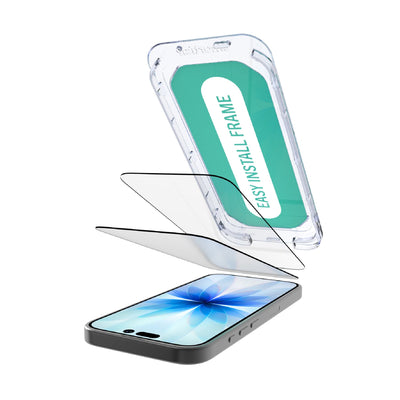
Not all screen protectors play well with all cases. Edge-to-edge protectors cover the entire front, including the curved edges of newer phones. If the protector is slightly too wide, it can lift when you install the case, creating bubbles or peeling at the edges. Traditional protectors that leave a small gap around the perimeter usually fit better with cases, but they leave a tiny strip of glass exposed. Choosing the right screen protector makes all the difference in compatibility.
How Smartish cases sidestep the bubble blues
We designed our Gripmunk slim case and Wallet Slayer Vol. 1 with precise cutouts and a carefully measured lip. This design accommodates most standard screen protectors. The raised lip is tall enough for drop protection but not so tight that it pushes against the protector’s edges. That means you can install a quality tempered glass protector and snap the case on without fighting bubbles or peeling. It’s a small detail that makes a big difference in daily use.
The Verdict: Do You Need a Screen Protector with a Good Phone Case?
Yes, if: your daily life involves grit, kids, or peace of mind
If you work in a dusty environment, carry your phone with other items, have young children, or just want to avoid scratch anxiety, a screen protector is a no-brainer. It’s a smart insurance policy that keeps your screen looking new and preserves resale value. For most people, the answer to whether you need a screen protector with a good phone case is a clear yes.
Maybe not, if: your case lip is tall and you’re easygoing
If your case has a very tall lip (2.5 mm or more), you rarely expose your phone to abrasive environments, and you don't mind a few micro-scratches over time, you might skip the protector. But remember: even a tall lip won’t stop sand or pocket grit from scratching the glass. It’s a trade-off between convenience and long-term appearance. Smartish cases give you a solid foundation, but a screen protector adds that final layer of confidence. Consider a stick-on wallet to keep your phone cleaner when not in your pocket.
Your Screen Protector Decision Checklist:
- Does your case have a lip of 2.5mm or more? (If No, lean YES to protector)
- Do you often carry your phone in pockets with keys, coins, or dust? (If Yes, lean YES to protector)
- Do you frequent environments with sand or grit (beach, construction)? (If Yes, lean YES to protector)
- Do you have young children or pets who might handle your phone? (If Yes, lean YES to protector)
- How important is maintaining the original "like new" screen feel and oleophobic coating? (If Very, lean YES to protector)
- Are you willing to accept potential micro-scratches over time for fewer accessories? (If Yes, maybe skip protector)
References
Frequently Asked Questions
Do I really need a screen protector if I have a good iPhone case?
Even the best iPhone case has limits when it comes to protecting your screen from fine scratches. While a case's raised lip helps keep the glass off flat surfaces, it doesn't stop dust, sand, or pocket grit from causing micro-scratches. A screen protector adds that essential extra layer of defense against these everyday abrasives.
Can my iPhone case protect my screen from scratches on its own?
A good iPhone case offers some screen protection with its raised lip, preventing direct contact with flat surfaces like tables. However, this lip isn't enough to stop tiny particles like sand or pocket lint from reaching the screen when sliding or in gritty environments. For true scratch protection, a screen protector is still a smart move.
Why do I need a screen protector if my phone's glass is already tough?
While iPhone glass is durable, it's not immune to fine scratches from everyday grit and pocket debris. A screen protector acts as a sacrificial layer, taking on those micro-scratches instead of your phone's original screen. It also helps preserve the smooth, fingerprint-repelling oleophobic coating that wears off with regular use.
How does my daily environment affect whether I need an iPhone screen protector?
Your daily environment plays a big role in whether you need a screen protector with your iPhone case. If you frequently work outdoors, spend time at the beach, or carry your phone in pockets with keys or coins, you're exposed to more grit and sand. These tiny abrasives can easily cause micro-scratches that a case alone can't prevent.
Is a screen protector worth it to keep my iPhone's screen feeling smooth?
Yes, a screen protector is definitely worth it if you value that factory-fresh, smooth feel on your iPhone's screen. The original oleophobic coating repels fingerprints and feels silky, but it wears down over time from swiping and cleaning. A screen protector takes that wear instead, keeping your original screen feeling like new for longer.
How much does a screen protector cost compared to repairing an iPhone screen?
A screen protector typically costs around $15 to $25, a small investment for significant protection. Skipping this can lead to costly repairs, with out-of-warranty screen replacements costing a couple hundred dollars. A simple screen protector now can save you a lot of money and hassle down the road.