




Key Takeaways
- Choose screen protectors based on your case compatibility to ensure proper fit and functionality.
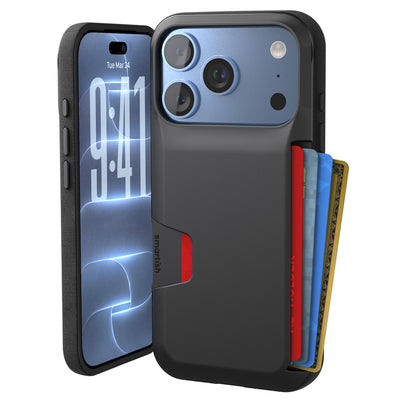
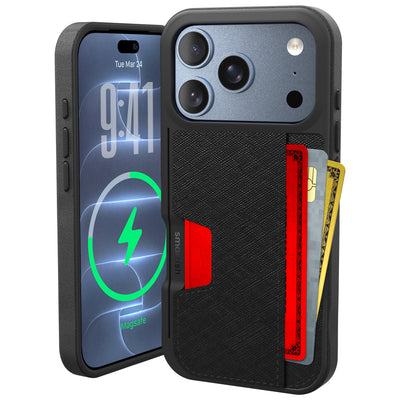
- Wallet cases like Wallet Slayer Vol. 1 and Vol. 2 need thinner screen protectors for optimal closure and card access.
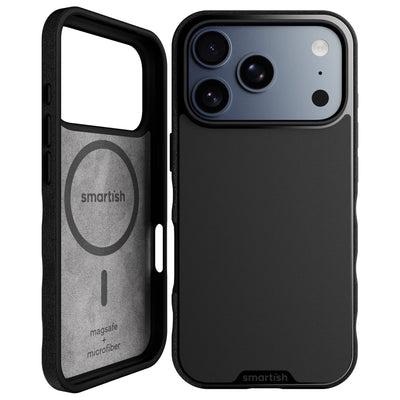
- Slim cases such as Gripmunk work well with standard tempered glass screen protectors.
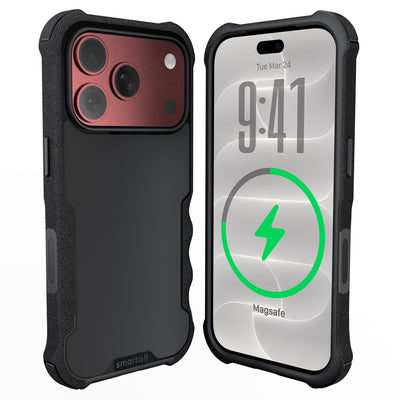
- Protective cases like Gripzilla can accommodate thicker screen protectors without affecting the raised edge design.
Table of Contents
- Covers for iPhone Screen: 2025 Buying Guide
- Why iPhone Screen Covers Matter Most
- Types of iPhone Screen Covers
- Essential Screen Cover Features
- Choosing the Right iPhone Screen Cover
- Smart Installation, Setting Up Your Screen Protector Like a Pro
- Fixing Flubs, Troubleshooting & Maintenance for Screen Covers
- Comparison Central, Tempered Glass vs. PET, TPU, Ceramic & More
- Best Of the Best, Top iPhone Screen Covers for 2025
- Real-Life Use Cases, How Covers for iPhone Screens Tackle Everyday Scenarios
Covers for iPhone Screen: 2025 Buying Guide
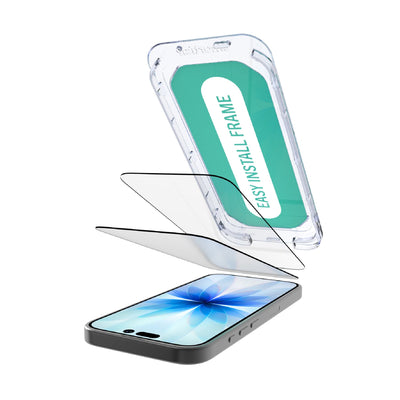
Your iPhone screen faces a daily gauntlet, keys in pockets, concrete drops, and life's inevitable "oops" moments. Quality covers for iPhone screen protection aren't just smart; they're essential for preserving your device's functionality and resale value. The right screen protector transforms your iPhone from fragile tech into a reliable daily companion.
At Smartish, we've spent years solving the everyday annoyances you didn't know you had, starting with keeping your screen pristine while your phone lives its best life. For those seeking a slim yet protective case, Gripmunk - Slim Case for iPhone 17 is a top choice, and if you need extra ruggedness, Gripzilla offers robust protection without compromising usability.
Why iPhone Screen Covers Matter Most

Your iPhone's screen endures more punishment than you realize. Studies show that even microscopic scratches from pocket debris reduce screen durability by up to 40% over two years. What starts as invisible damage compounds into touch sensitivity issues and decreased clarity.
Real-world threats include:
- Commute chaos: Keys, coins, and bag zippers create constant friction
- Outdoor adventures: Sand, dirt, and unexpected drops
- Daily multitasking: Desk surfaces, car dashboards, and countertops
| Screen Condition | Touch Sensitivity | Resale Value Impact | Average Lifespan |
|---|---|---|---|
| Protected with cover | 100% maintained | No reduction | 3-4 years optimal |
| Minor scratches | 95% sensitivity | 15% value loss | 2-3 years |
| Visible damage | 80% sensitivity | 35% value loss | 1-2 years |
The science backs protection: Gorilla Glass, while impressive, rates 6.5 on the Mohs hardness scale. Common pocket items like sand and keys range from 7-9, making scratches inevitable without proper covers for iPhone screen. For a deeper dive into the science and best practices, check out this most protective screen protector for iPhone guide.
Types of iPhone Screen Covers
Screen protection isn't one-size-fits-all. Each material serves different needs, from ultra-thin clarity to maximum impact absorption.
Available options:
- Tempered glass: 9H hardness rating, premium clarity
- PET plastic: Lightweight, flexible, budget-friendly
- TPU film: Self-healing properties, impact absorption
- Ceramic coating: Scratch-resistant, ultra-thin profile
- Hybrid glass: Combines glass clarity with flexible edges
| Type | Thickness | Clarity | Impact Protection | Touch Sensitivity | Lifespan |
|---|---|---|---|---|---|
| Tempered Glass | 0.3-0.4mm | 99% clear | Excellent | Native feel | 12-18 months |
| PET Film | 0.1-0.2mm | 95% clear | Good | Slightly reduced | 6-12 months |
| TPU Film | 0.2mm | 92% clear | Very good | Good | 8-15 months |
For iPhone 17 users, tempered glass offers optimal compatibility with Face ID and camera systems. Always verify exact model compatibility, millimeters matter for precise cutouts and sensor alignment. If you're looking for a case that pairs perfectly with screen protectors, explore the Gripmunk collection for a range of slim and protective options.
Essential Screen Cover Features
Not all screen protectors deliver equal performance. Focus on features that enhance your daily iPhone experience rather than marketing buzzwords.
Critical features:
- Scratch resistance: 9H hardness handles keys and pocket debris
- Impact absorption: Works with air-pocket corner designs for comprehensive protection
- Clarity preservation: Maintains true color reproduction for photos and videos
- Touch sensitivity: Your thumbs call the shots, not sluggish film barriers
- Raised edge compatibility: Pairs with ~1mm raised screen edges for face-down protection
The best covers for iPhone screen integrate seamlessly with protective cases. Look for protectors that complement raised camera rings and precise button cutouts, including the new camera control button on iPhone 16 and 17 models.
Real-world performance matters more than lab specs. Your screen protector should handle photo sessions without glare, support smooth scrolling during video calls, and maintain crystal clarity for content creation. For more on the latest iPhone model and its features, see this iPhone 17 overview.
Choosing the Right iPhone Screen Cover

Selection comes down to matching protection level with your lifestyle and case preferences. Skip the generic approach, your daily routine deserves a tailored approach.
Start with your case compatibility. Wallet cases like the Wallet Slayer Vol. 1 and Vol. 2 require thinner screen protectors to maintain proper closure and card access. Slim cases such as Gripmunk - Slim Case for iPhone 17 Pro work seamlessly with standard tempered glass, while protective options like Gripzilla accommodate slightly thicker protectors without compromising the raised edge design.
Match your lifestyle intensity to protection level. Content creators and outdoor enthusiasts benefit from hybrid glass with enhanced impact absorption. Daily commuters and office workers often find standard tempered glass strikes the right balance between clarity and durability. Parents juggling devices around energetic kids should prioritize scratch resistance over ultra-thin profiles.
Pro Tip: Always verify your exact iPhone model compatibility. The iPhone 17's camera control button requires precise cutouts that older protectors won't accommodate properly.
Consider your usage patterns when selecting features. Heavy texters and gamers need maximum touch sensitivity, making high-quality tempered glass the clear winner. Privacy-conscious users should opt for specialized films that limit viewing angles without sacrificing Face ID functionality. For a detailed breakdown of the top options, read this best iPhone 17 screen protector comparison.
Smart Installation, Setting Up Your Screen Protector Like a Pro
Perfect installation starts with preparation, not speed. Clean your workspace and wash your hands thoroughly, skin oils are the enemy of bubble-free application. Use the included microfiber cloth and alcohol wipe to eliminate every trace of dust and fingerprints from your screen.
The alignment method matters most. Position the protector using the speaker cutout and home indicator area as reference points before removing the backing film. Tempered glass offers more forgiveness than plastic films, but you only get one shot at proper placement. Apply firm, even pressure from the center outward, letting the adhesive do its work naturally.
Bubble removal requires patience, not force. Use the edge of a credit card wrapped in microfiber cloth, working from center to edges with gentle, consistent strokes. Most air bubbles disappear within 24 hours as the adhesive fully settles. Persistent bubbles near edges usually indicate dust contamination, a sign you'll need to start over with a fresh protector.
The entire process should take under three minutes from box to protected screen. If you're struggling beyond that timeframe, step back and restart with better lighting and a cleaner surface. Quality protectors install smoothly when conditions are right. For more installation tips and troubleshooting, refer to this screen protector overview.
Fixing Flubs, Troubleshooting & Maintenance for Screen Covers
Touch sensitivity issues rarely stem from the protector itself. Recalibrate your screen through Settings > General > Reset > Reset All Settings if responsiveness feels sluggish after installation. This refreshes the touch algorithms without affecting your data or apps.
Edge lifting typically signals case incompatibility. Thicker wallet cases can push against protector edges during daily use. Switch to a thinner film-style protector or verify your case features proper raised edges that complement rather than compete with screen protection. The rainbow effect on cheaper protectors usually disappears within a week as adhesive fully cures.
Cracked protectors should be replaced immediately to prevent glass fragments from interfering with touch function. Remove damaged protectors by lifting one corner and peeling slowly at a 45-degree angle. Clean any residual adhesive with isopropyl alcohol before applying the replacement.
| Issue | Quick Fix | Prevention |
|---|---|---|
| Dust under protector | Lift corner, remove particle, reapply once | Install in bathroom after hot shower (humid air settles dust) |
| Persistent bubbles | Credit card + microfiber, center outward | Remove all backing film before placement |
| Edge peeling | Check case compatibility, consider thinner protector | Verify raised edge clearance before purchase |
| Touch lag | Reset touch calibration in settings | Choose high-quality tempered glass with proven touch response |
Comparison Central, Tempered Glass vs. PET, TPU, Ceramic & More

Tempered glass dominates for good reason, it delivers superior clarity, impact protection, and touch sensitivity in a single package. The 9H hardness rating resists daily scratches while maintaining the original screen's responsiveness. Installation forgives minor alignment errors, and replacement is straightforward when damage occurs.
PET plastic films excel in specific scenarios. They're virtually invisible once applied and work beautifully with wallet cases that demand minimal thickness. However, they scratch more easily and require precise installation technique. TPU films offer self-healing properties for minor scratches but can feel slightly spongy under heavy touch pressure.
Ceramic-infused protectors promise enhanced durability but often compromise touch sensitivity. They're overkill for most users and significantly more expensive than tempered glass alternatives. Hybrid options attempt to bridge multiple benefits but rarely excel in any single category.
The smart money stays with proven tempered glass technology. It offers the best balance of protection, clarity, and usability for covers for iPhone screen applications. Premium options include oleophobic coatings that resist fingerprints and maintain crystal-clear visibility during video calls and content consumption. For those seeking wallet-style convenience, wallet cases for iPhone 17 are a practical solution.
Best Of the Best, Top iPhone Screen Covers for 2025
The landscape of covers for iPhone screen has evolved significantly, with Gripmunk - Slim Case for iPhone 17 Pro Max standing out for those who want slim protection without sacrificing durability. For a roundup of the best options for larger devices, see this best iPhone 17 Pro Max screen protectors guide.
Real-Life Use Cases, How Covers for iPhone Screens Tackle Everyday Scenarios
Different lifestyles demand different approaches to screen protection. Here's how covers for iPhone screen perform across real-world situations that matter most.
Tech Enthusiast Ted - Annual Upgrade Cycle
Ted upgrades every year, so maintaining pristine resale value is crucial. Tempered glass covers preserve screen perfection while allowing full access to new features like camera control buttons. His preference: precision-cut glass that works with MagSafe-compatible cases like Gripmunk or Gripzilla.
On-the-go Owen - Multi-Environment Protection
From gym sessions to hiking trails, Owen needs covers that handle sweat, dust, and impact. Hybrid glass covers paired with protective cases featuring air-pocket corners create a defense system that survives his active schedule. The raised camera ring protects lenses during outdoor adventures. For more on protecting your phone in tough environments, see this guide to protecting your phone.
Mommy Blogger - Kid-Proof Durability
Between toddler tantrums and playground drops, durability trumps everything. Anti-glare covers reduce fingerprint visibility while maintaining touch sensitivity for quick photo captures. Wallet cases with screen-compatible covers keep everything organized during busy family outings.
Everyman Millennial - Function Meets Value
Cost-conscious but quality-focused, this user wants reliable protection without premium pricing. Multi-pack PET film covers offer replaceable protection, while slim cases with ~1mm raised edges provide face-down safety. Once they find their perfect combo, loyalty follows. For those interested in the latest device, explore iPhone 17 options for the newest models.
Universal Truth: Every lifestyle benefits from the raised-edge, air-pocket corner combination. It's the difference between surviving daily chaos and a cracked screen.
Frequently Asked Questions
How do I choose the right iPhone screen protector based on the type of case I use?
Pick a screen protector that fits well with your case to keep everything working smoothly. Slim cases like Gripmunk pair nicely with standard tempered glass protectors, while thicker cases like Gripzilla can handle more robust protectors without messing with the raised edges. Wallet cases such as Wallet Slayer Vol. 1 and Vol. 2 need thinner protectors to ensure the case closes properly and cards stay accessible.
What are the differences between tempered glass and other screen protector materials like PET, TPU, and ceramic coatings?
Tempered glass offers the best mix of clarity, protection, and touch responsiveness for most users. PET and TPU are thinner and more flexible but usually less durable, while ceramic coatings provide scratch resistance with a smoother feel but may not offer the same impact protection as tempered glass.
Why is it important to use a screen protector even if my iPhone has Gorilla Glass?
Gorilla Glass is tough but not invincible, everyday scratches and micro-abrasions can still wear it down, reducing clarity and touch sensitivity over time. A screen protector adds an extra shield against daily wear, helping your screen stay clear and responsive longer.
How do screen protectors affect touch sensitivity and the overall lifespan of my iPhone screen?
High-quality screen protectors, especially tempered glass, maintain nearly full touch sensitivity while preventing scratches that degrade screen performance. By shielding your screen from damage, protectors help extend its lifespan and keep your device feeling fresh and responsive.