


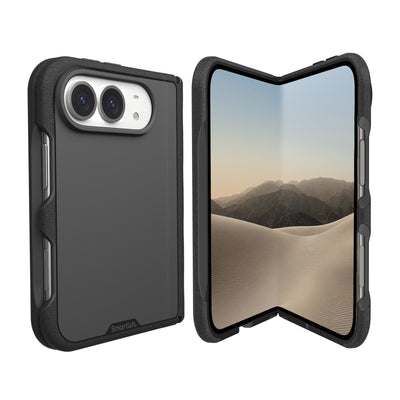
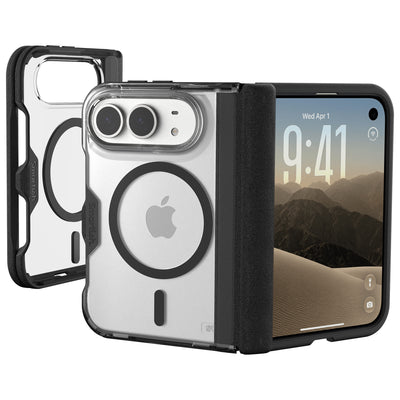
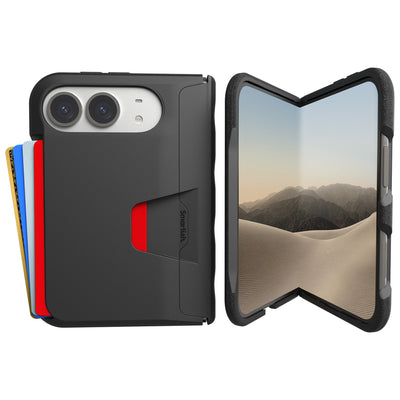
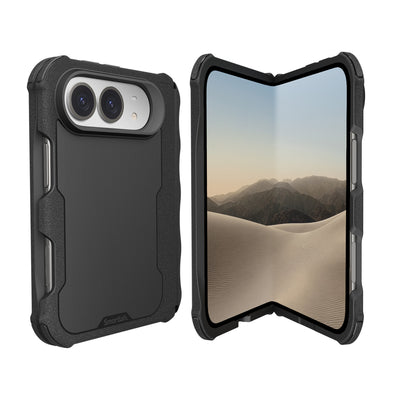

Cheapest protective phone cases available
The Cheapest protective phone cases available can protect a phone well if they have the right features; a low price alone doesn’t tell you much. Start with the case’s materials, corner design, raised edges, grip, and evidence of drop testing. Those details matter more than a flashy label or a long list of claims.
Key Takeaways
- A price tag tells you what a case costs, not whether it works, so judge protection by design instead of dollars.
- Corners take the hit in most drops, and cases with air-pocket corners absorb impact before it reaches your phone.
- A raised screen edge and a lifted camera ring keep your glass and lenses off tables, counters, and sidewalks.
- Textured, grippy sides help you hold on in the first place, which beats any drop test.
- Look for real drop-test evidence, because a case that passes honest testing earns its price no matter how low it is.
I look at protection per dollar: what useful features does the price actually buy?
Are Budget Phone Cases Actually Protective? The Short Answer
Yes. An affordable phone case can help protect against everyday drops when it has cushioning at the corners, a raised edge around the screen, and a design that helps you keep hold of your phone. The case should fit the exact phone model, too. A bargain case with loose edges or no clear protection details may offer little reassurance, no matter how convincing its packaging looks.
Why Price Doesn’t Equal Protection
Price can reflect materials, design, and added features, but it isn’t a drop-test result. A basic shell may cover the back while leaving the screen and camera exposed to contact with a hard surface. A thoughtfully designed case can focus its material and shape on vulnerable areas without adding premium extras you don’t need. Look for specific construction details, not dramatic promises. corner air That finding points to why shape matters, not just the sticker price.
The 5-Point Feature Checklist for Real Drop Protection
Use this checklist to compare a slim shell with a more protective design. No case can prevent every kind of damage, but these features give you concrete details to assess before buying:
- Shock-absorbing material: Flexible TPU can help cushion impacts. A TPU-and-polycarbonate hybrid pairs a flexible layer with a firmer back, when the case uses both.
- Raised screen edge: A bezel that sits above the display helps keep the glass off a flat surface when the phone is face down.
- Corner cushioning: Air-pocket corners add space to help absorb impact at vulnerable points.
- Grippy sides: Textured edges and finger grooves can make a phone easier to hold during a commute or while multitasking.
- Clear testing details: Look for the testing method and results, not just a broad drop-protection claim.
Price Tiers: What Your Money Buys Under $35

Treat each range as a guide, not a promise: prices and features vary by phone model and case design. Check the exact listing for its materials, fit, and protection details before you buy. The table below shows what to expect from each tier and what to check for.
| What it may include | What to check |
|---|---|
| Basic coverage and simple, flexible construction | Model-specific fit, raised screen edge, corner cushioning |
| More considered grip and impact-focused design | Material details, covered edges, evidence of testing |
| Potentially more refined materials or added features | Whether extras add useful function, not just cost |
Under $15: The No-Frills Zone
At this price, prioritize a snug fit and basic protection over decorative extras. Look for a raised lip around the display and cushioning at the corners; skip a case that lists only color and finish without describing its construction. Thin plastic can cover a phone’s back, but coverage alone doesn’t tell you how well the design handles an impact. If the listing leaves out fit details or protection features, keep looking.
$15-$25: The Sweet Spot
This range can offer a useful balance of grip, corner protection, and everyday comfort. Check whether the sides have texture and whether the case describes how its edges absorb impact. If MagSafe matters, confirm compatibility in the product details rather than assuming every case supports it.
$25-$35: Near-Premium Features
Near the top of this range, compare the added features against your routine. A firmer back, more pronounced grip, or wallet function may be worthwhile if it solves an everyday need. Added cost doesn’t automatically mean better drop protection, so check that the case still has corner cushioning, raised screen protection, and a fit made for your phone. Choose extras for their usefulness, not because a longer feature list looks impressive.
How to Spot Real Protection vs. Marketing Hype
A protection claim is useful only when you can check what it means. Look for the test method, drop height, surface, number of drops, and which phone or case was tested. A named standard can offer a reference point, but it does not tell you how a specific case performed unless the results are available. The details help separate evidence from a label that simply sounds reassuring.
Reading Drop Test Claims (and What Testing Actually Means)
MIL-STD-810G is a U.S. military testing standard, not a promise that every case bearing its name will protect every phone in every fall. Drop testing under the standard typically involves 26 drops from 4 feet onto concrete. Many budget cases cite the standard without publishing test results, so check whether the listing explains the conditions and outcome. Smartish evaluates its cases with internal drop testing; a specific, described test gives you more to assess than an unsupported phrase such as “military-grade.”
MagSafe on a Budget: Yes, It Exists
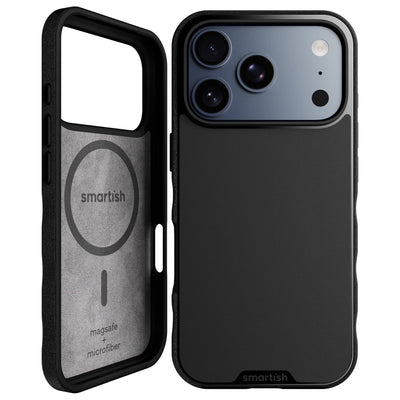
MagSafe compatibility does not have to mean a premium price. Smartish Gripmunk and Gripzilla are both marketed as MagSafe compatible, and both are drop tested. Gripmunk is the slim option; Gripzilla has a thicker build and rigid backplate. Choose based on the feel and profile you want, then confirm that the case listing fits your exact phone model. MagSafe describes accessory compatibility, not a higher level of drop protection.
When a Screen Protector Adds Another Layer
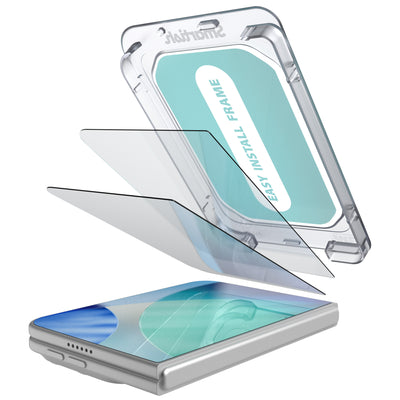
A case’s raised screen edge helps keep the display from touching a flat surface when the phone is face down. A screen protector adds a separate barrier over the glass, which can be useful if your phone spends time in a bag with keys or other hard objects. Treat it as an extra layer, not a substitute for a well-fitting case. Check that the protector is made for your exact phone model and works with the case edges without lifting.
Cost-Per-Year Math: Why a $20 Case Beats a $60 One
The lowest checkout price is not always the best value. A useful comparison includes how often you replace a case and whether its construction still suits your daily use. It is a simple illustration, not a prediction for every case or owner.
The 3-Year Cost Breakdown
The less expensive case wins in this example only if you replace it as assumed; a case that stays in good condition may last longer, while one that cracks early may need replacing sooner. Compare expected use and condition, not just the first price shown.
Longevity Signals: What Cracks, What Yellows, What Lasts
Check the corners, edges, and button areas as a case ages. Cracks, loose-fitting sections, or cushioning that has pulled away can affect how well it stays on the phone. For a clear case, look for anti-yellowing positioning and care guidance; clear cases vary, so avoid assuming every material ages the same way. Smartish Clear cases are positioned as anti-yellowing. Replace any case that no longer fits securely or has visible damage around its protective edges.
Repair costs can make the case decision feel less theoretical: research cited in this guide puts an average phone repair at $100-$300, often two to five times the cost of a quality budget case. That is a broad range, not a quote for a particular repair. A case cannot prevent every kind of damage, but checking its fit and condition helps you make a more informed protection-per-dollar choice.
Our Picks + Where to Buy Without Getting Burned

The right budget case depends on what you want it to do: keep a low profile, add a firmer feel, work with MagSafe accessories, or carry a few cards. I designed Smartish around everyday problems, so my recommendation is to choose by function first, then confirm the case fits your exact phone model. No need to pay for a feature that will spend its life doing nothing.
Top Budget Picks by Category: Slim, Protective, MagSafe, Wallet
Here’s the quick way to narrow the choices. Gripmunk is the slim pick; Gripzilla is the thicker, more protective option with a rigid backplate. Both are MagSafe compatible and drop tested. For a wallet case, choose Wallet Slayer Vol. 1 or Vol. 2. Wallet Slayer cases are thicker than slim cases, and only Vol. 2 has a kickstand. Check the current product listing for your phone model before ordering. A case that fits one generation may not fit another.
| Need | Smartish pick | What to know |
|---|---|---|
| Slim profile | Gripmunk | Light, slim design with MagSafe compatibility |
| More protective feel | Gripzilla | Thicker build and rigid backplate |
| MagSafe accessories | Gripmunk or Gripzilla | Both are marketed as MagSafe compatible |
| Cards with your phone | Wallet Slayer Vol. 1 or Vol. 2 | Vol. 2 adds a kickstand |
Brand Direct vs. Marketplace vs. Big-Box
Wherever you shop, check the seller, return terms, exact model fit, and full feature description. A low listing price can lose its shine if the case arrives for the wrong phone or leaves you guessing about its design. Buying directly from Smartish makes it easier to review the Cases collection and select the matching model listing. Marketplace and big-box listings can be convenient, but verify the seller and product details before checkout. If the listing skips basic fit information, keep browsing.
Frequently Asked Questions
Are cheap phone cases actually protective?
Yes, an affordable case can protect against everyday drops if it has corner cushioning, a raised screen edge, and grippy sides. Check the construction details, not the price tag. A case that fits your exact phone model matters too; loose edges mean little protection, no matter how nice the packaging looks.
What is the minimum I should spend for reliable drop protection?
Always check the listing for actual construction details.
Which case materials offer the best protection per dollar?
A TPU-and-polycarbonate hybrid offers strong protection per dollar by pairing a flexible, shock-absorbing layer with a firmer back. Flexible TPU alone cushions impacts well, too. Shape matters as much as material: air-pocket corners and raised edges help absorb impact at the most vulnerable points.
Do budget cases support MagSafe?
Some do, but never assume it based on price. Check the product details for explicit MagSafe compatibility before buying, since not every affordable case includes the magnets needed. Gripmunk and Gripzilla are MagSafe compatible and pass the same drop test, so you don't need to pay more for the feature.
How do I know if a case has real drop protection or just marketing claims?
Look for specifics: the test method, drop height, surface, number of drops, and which phone was tested. A label like MIL-STD-810G sounds official, but it's a testing standard, not a promise. Many cases cite it without publishing results, so a described, verifiable test beats a dramatic phrase every time.
What features should I look for in an affordable phone case?
Focus on five things: shock-absorbing material, a raised screen edge, corner cushioning, grippy sides, and clear testing details. Skip cases that only advertise color and finish. No case prevents every kind of damage, but these features give you concrete details to compare before buying.
Are pricier cases always better at protecting your phone?
No, added cost doesn't automatically mean better drop protection. Price reflects materials, design, and extras like wallet functions, but it isn't a drop-test result. A thoughtfully designed case that focuses on vulnerable areas, like corners and screen edges, can outperform a pricier one with unclear protection.