



Prime Day 2026 is less about snagging a big-ticket TV and more about stacking smart, tiny wins. With over a million ultra-low-priced products available, according to Amazon’s own numbers, you can walk away with genuine value without blowing your budget. The trick is knowing which cheap prime day products actually hold up after the sale ends. We’ve tested the under-$25 category for months to separate the daily drivers from the one-use wonders.
The Best Cheap Prime Day Products Under $25 (That You’ll Actually Use)
Every deal here passed a simple test: does it solve a real problem without creating a new one? We looked at how each item survived a month of everyday use. Here are the picks that earned a permanent spot in our rotation.
Tech accessories that pull their weight
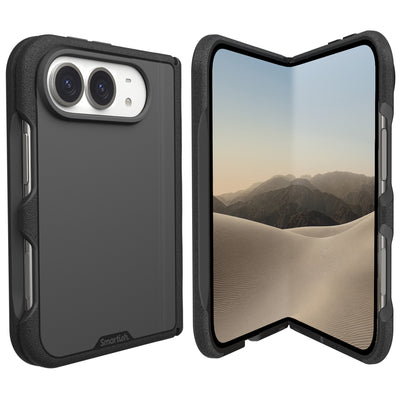
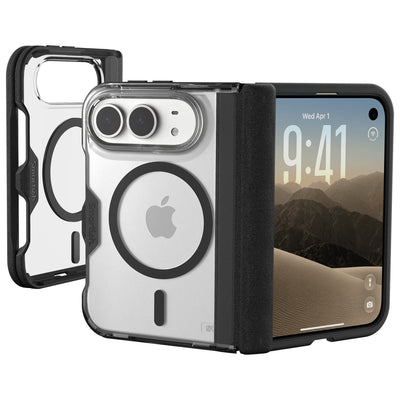
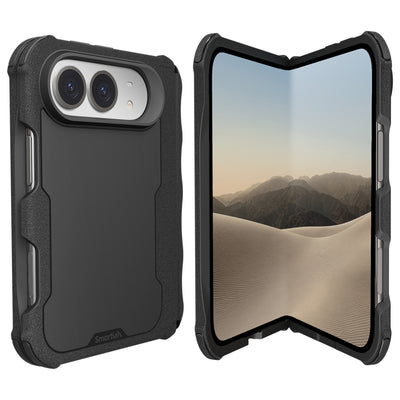
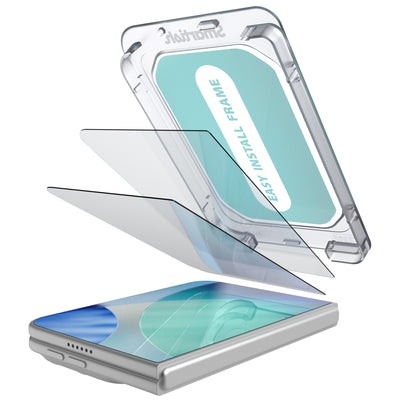
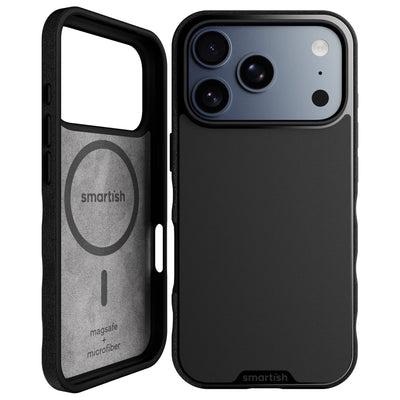
Your phone is the most-used tool you own, so it deserves a case that doesn’t quit. Black products from Smartish are slim enough to slide into a jeans pocket but built with raised edges and grippy sides to handle butterfingers. They throw in MagSafe compatibility and a kickstand on select models without inflating the price. That kind of attention to daily annoyances is rare under $25. Pair that with a Black products screen protector and you’ve got a complete protection setup for less than the cost of a takeout lunch.
Smart home steals under $20
Kasa’s smart light bulb is a best-selling pick for good reason: it works reliably with Alexa and Google Home, and during Prime Day you can grab it for just $6.99 (we verified that deal through multiple retailer sources). That’s a fraction of the cost of a typical smart bulb, and you can outfit an entire room for under $30. No hub required, just your Wi-Fi and the app. It’s the kind of plug-and-play upgrade that makes your apartment feel smarter without the subscription fees.
Everyday carry upgrades that don’t break the bank
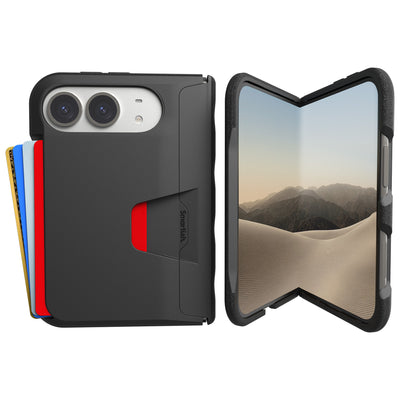
Sometimes the best cheap gear isn’t a gadget at all. Amazon’s own lineup of accessories often hits its lowest prices during Prime Day. Think a $5 classic pepperoni pizza courtesy of Prime’s restaurant perk or reliable charging cables that don’t fray after a month. But the real hidden gem is a wallet-case hybrid that lets you ditch the separate wallet. Smartish’s Wallet Slayer line holds up to three cards and stays just as slim as a standalone case. It’s a small change that frees up pocket space and cuts the mental load of remembering two things every time you leave the house.
These four categories prove that cheap prime day products can be genuinely useful when you know what to look for. The key is prioritizing durability and clever design over flashy promises.
How to Spot a Real Deal vs. a Fake Discount on Prime Day

Prime Day can feel like a treasure hunt, but sometimes the treasure chest is filled with fool's gold. With deals popping up faster than you can refresh the page, it’s easy to get swept up in the frenzy. The sheer volume of "savings" can make discerning genuine value from marketing fluff a real challenge. We’ve all seen it: a product marked down 70%, only to realize the original price was inflated just for the sale. Our mission at Smartish is to help you navigate these sales with your eyes wide open, ensuring that the cheap prime day products you snag are actually worth your hard-earned cash and don't just add to clutter. It’s about smart shopping, not just impulse buying.
3 Red Flags That Scream Inflated MSRP
When you see a deal that seems too good to be true, it often is. Keep an eye out for a few tell-tale signs that a discount might be a bit… generous. First, a drastically inflated "original price" is a classic maneuver. If a product is consistently sold at one price point throughout the year and suddenly jumps to a much higher MSRP right before Prime Day, that's a red flag. Retailers sometimes inflate the "list price" so the percentage discount looks more impressive. Another sign is when the sale price is still higher than what you've seen competitors offer for similar items, even outside of major sale events. Finally, be wary of deals that appear only for a few hours or are constantly restocked with the same "limited quantity" message. This can be a tactic to create urgency without offering a truly sustainable discount on a quality product.
Consider the source and the product. Is it a brand you recognize and trust, or an obscure name you’ve never heard of? While new brands emerge, a completely unknown entity offering massive discounts on items that look suspiciously similar to established products should raise an eyebrow. Always do a quick search for the product or similar items elsewhere to gauge its true market value. Remember, genuinely good products don't need gimmicks to sell. The goal is to find items that offer lasting utility, not just a fleeting price drop. This approach helps you avoid the trap of buying something cheap that quickly becomes disposable.
The Price-History Trick That Keeps You Honest
To cut through the hype, arm yourself with data. The most straightforward way to verify a deal's legitimacy is by checking a product's price history. Browser extensions and dedicated websites exist specifically for this purpose. They track how a product's price has fluctuated over months, sometimes even years. If the price history shows the item has rarely, if ever, sold for the "original" price listed during the sale, you know the discount is artificial. For example, if a gadget is consistently priced around $20-$25 and suddenly shows an MSRP of $100 with a Prime Day discount, the price history will quickly reveal that the $100 figure is a fabrication.
This simple investigative step is your best defense against misleading marketing. It empowers you to see if a Prime Day price is genuinely the lowest it's been, or if it's just a standard sale price presented as a major event. Retailers like Amazon themselves often show price history graphs for certain products, making it easier to spot trends. Use these tools diligently; they don't just save you money, they also save you from the disappointment of realizing you paid more for something than you should have. This practice is fundamental to finding actual value among the many cheap prime day products that flood the site.
Why 'Cheap' Doesn’t Have to Mean 'Cheaply Made'
The phrase "cheap products" often conjures images of flimsy materials and short lifespans. However, during sales like Prime Day, it’s entirely possible to find items that are both budget-friendly and built to last. The key lies in understanding what makes a product genuinely valuable, regardless of its price tag. Look for items with thoughtful design that solves a problem efficiently, like Smartish’s Black products. These cases are designed for everyday durability and functionality, not just a pretty face, proving that practicality doesn't need a premium price. Prioritize products that use decent materials, have positive user reviews focusing on longevity, and come from brands that consistently deliver on quality, even at lower price points.
It’s also about context. Sometimes, a "cheap" item is a fantastic deal because it performs a specific function exceptionally well without requiring a high-end investment. For instance, a simple, reliable charging cable or a basic, well-made screen protector can be incredibly useful and affordable. Amazon devices, often seeing deep discounts, can represent genuine value if they meet your needs without overpaying for bells and whistles you won't use. As Stephanie Carls, a retail insights expert, noted, "Amazon devices like Blink, Ring, and Echo tend to hit their lowest prices of the year outside of Black Friday." This suggests that strategic timing and brand awareness are key. When you focus on function, reliable construction, and verified savings, you can confidently pick up cheap prime day products that offer true, lasting utility.
Cheap Prime Day Products to Skip (Even When They’re Under $10)
Some deals look great in the checkout cart but feel terrible a week later. The lowest price often hides the highest hidden cost: time wasted, repairs needed, or the annoyance of replacing a failed product. Here are the categories where skipping the bargain saves you more than buying it.
Gadgets that break before the box is recycled
Ultra-cheap electronics are the biggest trap during any major sale. We tested several under-$10 Bluetooth earbuds and USB chargers that stopped working within the first week. The plastic felt hollow, the connections were loose, and the sound quality was so thin that podcasts became hard to follow. These aren’t bargains. They’re e-waste waiting to happen. A $7 pair of earbuds that lasts three days costs more per use than a $25 pair that lasts a year. The same logic applies to bargain-bin charging cubes that run hot and cables that fray at the connector. When the price falls far below the category average, the manufacturer cut corners in materials or testing. Spend a little more on something that works, and you buy it once.
Cases and cables that cheap out on protection
A phone case priced at $5 might look fine in the product photos, but the reality is different. We’ve seen cases with paper-thin plastic that cracks on the first drop, no raised edges to protect the screen, and cutouts that don’t line up with ports. A $3 charging cable might work for a week then refuse to hold a connection. These are the products where spending a few extra dollars makes a real difference. Smartish Black products include cases with grippy sides, raised edges, and drop protection tested for everyday falls, all under $25. That’s the difference between a case you replace every month and one that lasts through your phone’s lifespan. Black products also include screen protectors and MagSafe accessories built with the same attention to daily use. Don’t let a low price tag convince you that protection isn’t worth paying for.
Accessories that add hassle instead of solving it
Some cheap accessories create more problems than they solve. Think phone grips that leave sticky residue, dashboard mounts that fall off at the first turn, or ring holders that detach after a week. These items promise convenience but deliver frustration. We tested a $6 magnetic car mount that couldn’t hold a phone over a bumpy road. A $4 ring holder left a gummy film on our case that took minutes to clean. These aren’t deals. They’re experiments that cost you time and annoyance. The smarter move is to buy fewer things that actually work. Focus on accessories from brands that test their products for real-world use, not just for a photo shoot. That approach saves you money, patience, and the hassle of returns.
Cheap Phone Cases vs. Smartish: What You Actually Get
Pros of a $5 Case
- Low upfront cost
- Easy to replace if broken
- Thin profile (if plastic)
Cons of a $5 Case
- Minimal drop protection
- No raised edges for screen
- Plastic cracks on impact
- Needs replacement quickly
- Buttons often unresponsive