


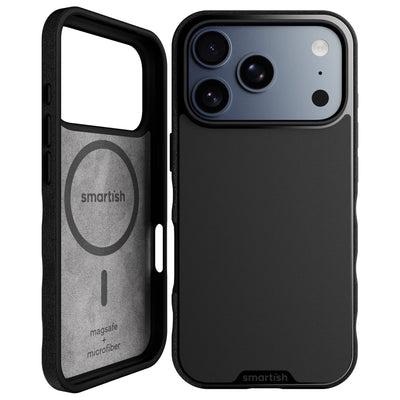


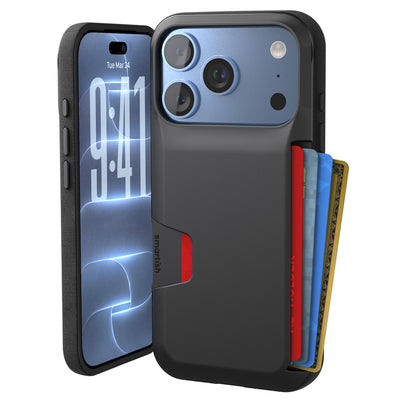
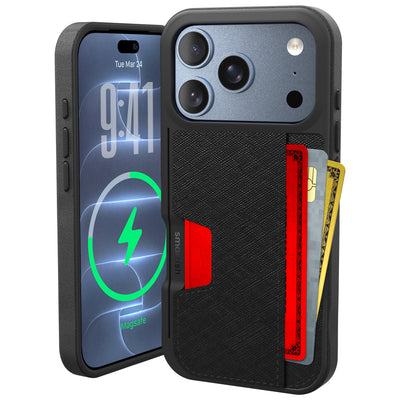

camo iphone case
Camo iPhone Cases: Style Meets Protection
Camo's gone from hunting gear to streetwear to your pocket. The irregular shapes hide scuffs and fingerprints way better than solid colors--which means your case looks newer, longer. But a camo iPhone case that only looks good is just expensive wallpaper for your phone.
You need grip that won't slip, protection that survives real drops, and compatibility with your wireless charger. Air-pocket corners absorb impact. Raised edges keep your screen and camera off surfaces. MagSafe support keeps your accessories working. That's the baseline.
Why Camo Works Everywhere Now
Outdoor aesthetics merged with everyday style. What started in hunting camps now fits urban commutes and coffee runs. The pattern doesn't demand attention but doesn't hide, either. It just works--from trails to train platforms.
Function First, Style Second
Pattern won't save your screen. Look for drop-tested designs with textured sides that grip without sticking to your pocket. Forget "military-grade" marketing. Focus on air-pocket corners, raised camera rings, and materials proven through actual testing. Gripmunk and Gripzilla both come in camo with full MagSafe compatibility--same drop tests, different thickness preference.
What Actually Matters in a Camo Case
Shopping means balancing looks with function. Here's what separates cases that work from cases that just photograph well.
Grip That Doesn't Stick
Textured edges keep your phone secure without clinging to pocket fabric. Finger grooves help during one-handed typing or photos. The best designs feel grippy, not sticky--they prevent drops before impact protection ever comes into play.
Raised Where It Counts
Around 1 mm of lift lets you place your phone face-down without scratching the display or camera lenses. Precise cutouts maintain button responsiveness and port access. As of now, the camera control button gets a cutout; other buttons stay covered for protection.
Real Testing Over Marketing Speak
Air-pocket corners compress on impact to absorb shock. Slim cases can protect plenty if engineered right--thickness alone doesn't determine safety. Both Gripmunk (slim) and Gripzilla (protective) pass identical drop tests despite different profiles. Engineering beats bulk.
MagSafe That Actually Works
Wireless charging and magnetic accessories should work without removing your case. MagSafe doesn't affect protection or add meaningful bulk when designed properly. Gripmunk and Gripzilla both support MagSafe across camo options. Check out how MagSafe works to get the most from your accessories.
| Feature | Why It Matters | What to Check |
|---|---|---|
| Air-pocket corners | Absorbs impact during drops | Visible corner reinforcement |
| Raised edges | Protects screen and camera from scratches | ~1 mm lift around vulnerable areas |
| Grippy texture | Helps prevent drops | Textured sides, not slick plastic |
| MagSafe support | Maintains wireless charging and accessories | Explicit MagSafe compatibility claim |
Getting the Right Fit for Your iPhone
Each iPhone generation changes dimensions, button placements, and features. Your camo phone case iPhone 16 needs different cutouts than a camo phone case iPhone 13. Here's what matters for current models.
iPhone 16: New Button, Same Protection
The camera control button's new, and quality cases accommodate it with precise cutouts. Other buttons stay covered for protection. Port access stays open. MagSafe alignment matters with stronger magnets. Cases designed for iPhone 16 handle these updates without extra bulk.
iPhone 15 Pro Max: Size and Cameras Matter
The camo phone case iPhone 15 Pro Max handles the larger camera array and increased weight. Pro Max models benefit from extra grip due to size. Standard iPhone 15 cases work across base and Plus models. Both need raised camera rings for the upgraded lens system.
iPhone 13: Still Worth Protecting
The camo phone case iPhone 13 makes sense if you skip yearly upgrades. Your device works fine and deserves quality protection. Cases for older models often cost less with the same features. If you're keeping your iPhone 13 another year or two, a solid case beats constant worry.
Model Match: Verify your exact iPhone model before ordering. An iPhone 15 case won't fit an iPhone 16. Pro Max cases don't work with standard models. Check twice, order once.
Matching Pattern to Place
Not all camo looks the same. Your pattern should match where you actually use your phone.
Forest Camo: Timeless Earth Tones
Traditional woodland patterns feature browns, greens, and tans in organic shapes. These work for outdoor enthusiasts who hike, camp, or hunt. The earthy tones blend in rural settings while looking intentional everywhere. Classic camo reads timeless, not trendy.
Urban Camo: City-Ready Neutrals
Urban camo uses grays, blacks, and whites in geometric or pixelated patterns. Digital patterns offer a tech-forward look that fits city life better than forest colors. Works in professional settings where traditional camo might feel out of place. The neutral palette coordinates with most outfits.
Pattern Follows Function
Match your primary environment. Spend most days outdoors? Forest camo makes sense. Commute by subway? Urban patterns fit better. Both styles hide wear equally. Choose based on your routine, not costume appeal.
| Pattern Type | Best For | Color Palette |
|---|---|---|
| Traditional woodland | Outdoor activities, hunting, hiking | Browns, greens, tans |
| Urban digital | City commutes, professional settings | Grays, blacks, whites |
| Desert patterns | Warm climates, southwestern style | Tans, beiges, light browns |
Slim or Thick: Pick Your Protection Style
The slim-versus-thick debate comes down to daily habits. Both protect when designed right.
Gripmunk: Slim Protection That Works
Gripmunk stays slim without skipping drop tests. Minimal thickness keeps pockets happy while maintaining air-pocket corners and raised edges. Feels closer to a bare phone. Works best for careful users who prioritize feel over maximum armor. MagSafe compatibility stays intact.
Gripzilla: Built for Active Use
Gripzilla adds thickness with a rigid backplate for rough conditions. Extra shock absorption matters during outdoor activities, construction work, or mountain biking. Same drop tests as Gripmunk, just more material between phone and ground.
Thickness Done Right
Smart design makes thickness functional, not excessive. Gripzilla feels substantial without being clunky because weight distributes evenly. Finger grooves and textured edges maintain control. Engineering matters more than raw thickness. Choose based on handling preference, not protection anxiety.
Real Talk: Thicker cases add bulk. Period. The tradeoff's worth it for active users who want extra peace of mind. Slim cases protect plenty for typical use. Be honest about your actual risk level.
Quality Without the Premium Tax
Protection doesn't require premium pricing. Smart materials and efficient design deliver reliable cases at fair prices.
What Quality Actually Costs
Materials that maintain grip over time. Real drop testing instead of marketing promises. Precise manufacturing for responsive buttons and aligned cutouts. Anti-yellowing treatments for clear and light camo. These details cost more upfront but extend usable life.
Fair Pricing, Zero Compromise
Fair prices come from direct manufacturing and efficient operations--not corner-cutting. Cases around $30 can pack the same features as $50 options. Focus on verified features like drop testing and material quality. Price isn't a proxy for protection.
Lasting Value
Reliable brands stand behind their products. A case that lasts two years costs less per month than replacing budget options every few months. Look for responsive customer service and straightforward returns. Thoughtful design creates value you'll actually use.
When You Need More Than Basic Protection
Wallet cases combine phone storage with cards and cash. The Dancing Queen - Crossbody Wallet Case for iPhone 11 Pro Max holds five cards plus cash with an adjustable crossbody strap for hands-free carrying. The removable wristlet offers flexibility for different situations.
Tradeoff: wallet cases block wireless charging. Card storage sits where the charging coil needs to be. Makes sense for users who prioritize carrying less over wireless convenience. Crossbody straps keep phones accessible during concerts, travel, or parenting. Wristlets add security in crowds. Evaluate whether these features match your actual needs before adding thickness.
| Case Type | Best Use Case | Key Tradeoff |
|---|---|---|
| Slim protective | Everyday carry, minimal bulk | Less shock absorption |
| Thick protective | Active lifestyles, rough conditions | Added pocket bulk |
| Wallet case | Minimalist carry, hands-free needs | No wireless charging |
Making Your Camo Case Last
Camo hides wear better than solid colors, but care extends case life. Clean monthly with mild soap and water to remove oils and dirt. Skip harsh chemicals that break down protective coatings. Let cases air-dry completely before reinstalling.
Check button responsiveness and port access regularly. Debris builds up around cutouts. Remove your case every few months to clean both case and phone. Prevents dust from scratching your device.
Anti-yellowing treatments work best with regular cleaning. UV exposure still causes yellowing--keeping cases clean reduces discoloration. Replace cases when grip wears smooth or protection degrades. A case that won't prevent drops has lost its purpose.
Store spare cases away from direct sunlight. Rotating between multiple cases extends each one's life while letting you match patterns to activities. A second case pays off through longer overall life.
Picking Your Perfect Camo Case
Your ideal camo iPhone case depends on three things: iPhone model, daily routine, and style preference.
Start with compatibility. iPhone 16 needs different cutouts than iPhone 13, especially around the camera control button. Pro Max models require larger cases.
Assess your actual risk. Desk workers need less armor than construction workers. Gripmunk handles typical drops while staying pocket-friendly. Gripzilla adds thickness for rough conditions. Both pass the same drop tests--choose based on handling preference, not protection anxiety.
Pattern comes last. Urban camo fits cities and offices. Forest camo suits outdoor enthusiasts. Both hide wear equally. Match your primary environment, not fleeting trends.
Decision Framework: Verify exact iPhone model first. Assess daily risks honestly. Pick a pattern that fits your routine. Protection features trump aesthetic details.
Quality cases balance protection, style, and daily usability. Verified features matter: air-pocket corners, raised edges, grippy materials, real drop testing. MagSafe compatibility if you use wireless charging. Pattern matching your environment.
Model-specific fit ensures proper button coverage and port access. Price reflects design and materials, not just markup. Cases around $30 can deliver the same protection as premium options when engineered correctly. Look for clear warranties and responsive service.
Your case should solve real problems: preventing drops through better grip, protecting screens and cameras from scratches, maintaining wireless charging, or consolidating wallet items. Choose features matching your daily routine. The right case fades into daily life while keeping your phone protected.
Frequently Asked Questions
Why should I pick a camo iPhone case instead of a plain one?
You know, a solid color case can look dated after a few months in your pocket. Camo patterns are smart because their irregular shapes hide scuffs and fingerprints better than plain cases, keeping your iPhone case looking new longer. Plus, outdoor styles are just having a moment, fitting everything from coffee runs to weekend hikes.
What should I look for to make sure a camo iPhone case actually protects my phone?
Beyond just looking good, a great camo iPhone case needs real protection. Look for cases with air-pocket corners that absorb impact and raised edges around your screen and camera to guard against scratches. Forget vague claims; focus on designs that are actually drop-tested.
How can a camo iPhone case help me avoid dropping my phone in the first place?
We believe preventing drops is even smarter than just surviving them. The best camo iPhone cases have textured edges and finger grooves that give you a secure hold without adding bulk. Grippy materials keep your phone firmly in your hand, so you're less likely to drop it during one-handed use.
Do camo iPhone cases come with protection for the screen and camera?
Absolutely! A quality camo iPhone case should have raised edges, about 1 mm, around the screen. This lets you place your phone face down without scratching the display. A raised camera ring does the same for your lenses, protecting them when your phone is on its back.
Are there different types of camo patterns for iPhone cases?
You bet. Camo isn't just one look. You can find classic hunting-inspired patterns with earthy browns, greens, and tans that feel timeless and fit outdoor adventures. Or, there are modern urban camo styles that blend streetwear aesthetics with everyday utility.
How do I ensure a camo iPhone case will fit my specific iPhone model?
It's super important to verify your exact iPhone model before buying a camo case. Each iPhone generation has different dimensions and button placements, like the iPhone 16's camera control button. An iPhone 15 case won't fit an iPhone 16, so double-check for a precise fit.