





cable manager
A cable manager is any tool, sleeve, clip, or tray that organizes your cords so they stop running your life. Wiring a home office or just tired of untangling your phone charger every morning--the right setup takes minutes and saves daily frustration.
What Is a Cable Manager?
Not Just for IT Closets
Any product that routes, bundles, hides, or secures cords counts as a cable manager--from a $2 adhesive clip to a full under-desk tray. No server room required. The goal is simple: cords go where you put them, and they stay there.
What It Actually Does
A good one does three things: keeps cords off the floor, prevents tangling, and makes it obvious which cable does what. That's it. Everything else is a bonus.
Why Cable Management Matters for Your Daily Grind
Cords on the Floor Are a Problem Waiting to Happen
Loose cables underfoot are a trip hazard--literally. Bundling and routing them along desk edges or walls removes the risk without requiring a full office renovation.
Heat Builds Up Fast
Cables piled around devices trap heat. Route them away from vents and your gear runs cooler. Small change, noticeable payoff.
10 Seconds vs. 10 Minutes
Labeled, organized cables mean you spend 10 seconds swapping a charger instead of 10 minutes tracing spaghetti. A tidy desk also just feels better to work at. Productivity has a look, and tangled cords aren't it. For more background, Wikipedia's cable management entry is a solid starting point.
Types of Cable Managers for Real-Life Needs
Clips, Ties, and Sleeves
Adhesive clips mount to desk edges and hold individual cables in place. Velcro ties bundle multiple cords into one clean run. Sleeves wrap everything together for a single, polished look. All three are affordable, renter-friendly, and reversible.
Velcro and D-Rings for Permanent Setups
Reusable Velcro straps beat zip ties every time--they adjust without scissors. D-ring loops screw into desk legs or walls and anchor cable runs for good. Use these when the setup isn't changing.
Trays and Hubs
Under-desk cable trays hold power strips off the floor and out of sight. Cable hubs consolidate charging spots so one organized zone handles every device. Paired together, they're the backbone of a truly clean desk.
| Type | Best For | Permanence | Cost Range |
|---|---|---|---|
| Adhesive clips | Single cables, renters | Low | $5-$15 |
| Velcro ties | Bundles, frequent changes | Low | $5-$10 |
| Cable sleeves | Multiple cords, clean look | Medium | $10-$25 |
| Under-desk tray | Power strips, full setups | High | $20-$60 |
| D-ring anchors | Permanent wall/desk routing | High | $8-$20 |
How to Actually Organize Your Desk Cables
Step 1: Unplug Everything
Yes, everything. Lay it all out and count what you actually use daily versus what's been squatting on your desk out of habit. That mystery charger from 2019? Gone.
Step 2: Sort, Label, Bundle
Group cables by device or function: power, audio, peripherals. Label each one with a small tag or a strip of tape before bundling. Future you will be grateful. Every. Single. Time.
Step 3: Mount and Route
Run cables along the back edge of the desk using adhesive clips. Drop them down a single leg to the power strip. Keep the path consistent and everything stays put. OSHA's workspace ergonomics guidelines are worth a quick look if you want to check your setup against safety best practices.
Phone Charger Cables: The Ones That Need the Most Help
Why They Take the Most Abuse
Phone charger cables bend, coil, and get yanked more than any other cord in your setup. A dedicated spot for your charging cable--held in place with even a single clip--extends cord life and keeps your desk from turning into a graveyard of frayed connectors.
One Clip, Zero Nightly Searches
A small cable clip near your nightstand or desk edge keeps your charger ready without the untangle routine. Pair it with a wireless charging setup and your phone practically puts itself to bed. For a deeper look at cord organization principles, this human factors breakdown is worth a read.
The Rest of Your Phone Setup
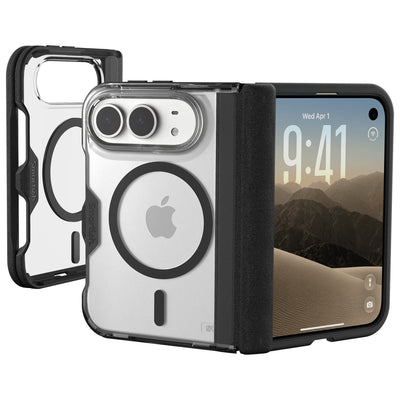
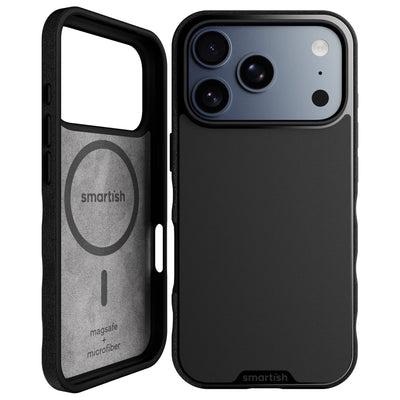
Cable organization works best when the whole phone situation is dialed in. The Baker's Pug-zen iPhone case brings that same practical thinking to your phone: air-pocket corners, a raised screen edge, and a grippy texture that stops it from sliding off surfaces. Less sliding means fewer cable yanks. Less chaos all around.
Pros of Dedicated Phone Cable Management
- Charger is always where you left it
- Reduces cable wear at the connector end
- Cleaner nightstand and desk surface
- Works with wireless charging setups
Cons to Keep in Mind
- Adhesive clips can lose hold on textured surfaces
- Fixed routing limits desk rearrangement flexibility
Home Office, Travel, and Family Setups
Permanent Desks
Under-desk trays and D-ring routing are your best friends here. Mount once, forget forever. The investment is minimal; the payoff is a workspace that looks intentional every single day.
On the Road
A small cable roll pouch keeps your travel kit from turning into a knotted disaster at the bottom of your bag. One pouch per trip: charger, earbuds, adapter. Done.
Busy Households
Color-code cables by family member. It sounds simple because it is--and it ends the "that's my charger" argument for good. A labeled charging station in a common area keeps everyone's gear in one predictable spot. No negotiations required.
Going Wireless (and Knowing When Not To)
Cut the Most-Handled Cord First
MagSafe and wireless charging pads eliminate the cord you touch most: your phone charger. Go wireless for your phone and you've already made the biggest dent. Keep wired connections for high-bandwidth peripherals where speed still matters.
The MagSafe Middle Ground
A MagSafe puck on a short, clipped cable gives you wireless convenience with a managed cord that doesn't wander. Route the puck cable with a single clip and your charging spot stays clean without going fully cordless. Best of both.
Built for iPhone 17 and Whatever Comes Next
iPhone 17 continues the MagSafe standard, so any magnetic charging setup you build now stays relevant. The Baker's Pug-zen is a solid companion--air-pocket corners, raised screen edge, grippy texture, no added bulk. Future-proofing doesn't have to mean starting over.
Quick Wins and Mistakes Worth Avoiding
5 Tools to Grab Right Now
- Reusable Velcro ties for bundling any group of cables
- Adhesive cable clips for routing along desk edges
- Under-desk cable tray for hiding the power strip
- Cable roll pouch for travel kits
- Label tags so every cord has a name
The Fastest Labeling System Out There
Colored electrical tape wrapped near each connector. One color per device, applied once. You'll never trace a cable again.
Don't Do These Things
Skipping labels is the most common mistake. Close second: over-tightening zip ties, which damages cables over time. Use Velcro instead. Also, don't bundle power cords with data cables--keep heat-generating cords separated where you can. A solid setup takes about 30 minutes and lasts years. Worth doing right.
A tidy setup starts with the right cable manager and a few consistent habits. Label everything, route once, let the system do the work. Your desk, your bag, and your sanity will thank you.
And don't overlook the device at the center of it all. The Baker's Pug-zen keeps your iPhone protected with air-pocket corners, a raised screen edge, and a grippy texture that stops your phone from sliding off every surface you set it on. Because a well-organized desk deserves a well-protected phone.
Frequently Asked Questions
I'm always tripping over cords. What's the real point of a cable manager?
A cable manager is a smart little tool that stops your cords from running your life, literally. It keeps them off the floor, prevents those annoying tangles, and makes it super clear which cable belongs to what device. It's about saving you daily frustration and making your space feel, well, smarter.
I need to get my desk tidy, what are some easy-to-use cable manager options?
For quick wins, you've got adhesive clips that stick to desk edges, Velcro ties to bundle cords, and sleeves for a clean, unified look. These cable manager options are affordable, renter-friendly, and easy to reverse if your setup changes. It's a simple fix that makes a big difference.
Okay, I'm ready to tackle my cable mess. Where do I even begin with cable management?
Start by unplugging absolutely everything and laying out only what you actually use. Then, group your cables by device or function, and here's the smart part: label each one before bundling. Finally, mount and route them along desk edges or legs to a power strip, keeping the path consistent for a truly tidy setup.
My phone charger is a constant tangle. Why do phone cables need their own special cable manager?
Phone charger cables really take a beating, getting bent and yanked daily. A dedicated cable manager for your charging spot helps extend the life of your cords and keeps your nightstand or desk from becoming a tangled mess. It's a small change that makes your daily hustle a lot smoother.
Beyond just looking good, what practical benefits do I get from using cable managers?
Absolutely. Beyond a cleaner look, cable managers eliminate tripping hazards from loose cords and boost airflow around devices to prevent overheating. Plus, organized and labeled cables mean you spend seconds, not minutes, swapping out a charger. It's all about making your daily grind smarter and less frustrating.
My power strip is a dust magnet on the floor. Are there cable managers that can help with that?
You bet. Under-desk cable trays are a smart solution for holding power strips off the floor and out of sight. Pair that with a cable hub to consolidate charging spots, and you've got a truly clean, organized zone for all your devices. It's a simple way to banish dust bunnies and visual clutter.
I want a really solid, long-term cable management setup. What options are best for a permanent fix?
For a truly solid setup, D-ring loops screw into desk legs or walls to anchor cable runs permanently. Under-desk trays are also great for keeping power strips out of the way for good. And for bundling, reusable Velcro straps are always a smart choice because they adjust without needing scissors, making future tweaks easy.