





Pricing on bulk iPhone wallet options?
Pricing on bulk iPhone wallet options? Start with the material, order quantity, and whether the quote includes setup, packaging, and delivery. Those details can move the per-unit number more than a headline discount, so compare complete quotes, not just the first figure on a supplier’s page.
Key Takeaways
- A low headline price can hide extra fees, so ask whether setup charges, packaging, and shipping are included in each quote.
- Always compare complete, final quotes from multiple suppliers rather than judging by the first number shown on their websites.
- For iPhone 18 and iPhone Duo owners buying in bulk, confirming case fit and compatibility early avoids costly reorder mistakes.
- Larger order volumes typically unlock better pricing tiers, so pooling orders can be more cost effective than smaller repeated purchases.
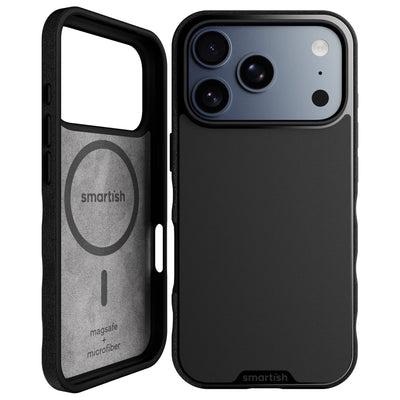
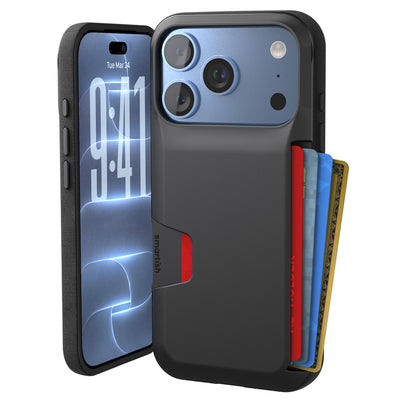
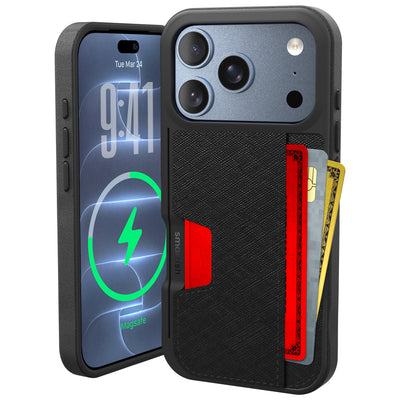
A bulk order also needs a fit check before anyone pays a deposit. The Gripmunk - Slim Case for iPhone 16 Pro is a phone case, not a wallet case, so it is not a substitute for the item being priced here. Exact-device compatibility matters; a case that fits one iPhone model should not be assumed to fit another.
What Bulk iPhone Wallet Cases Actually Cost in 2026
There is no single dependable per-unit price for every bulk iPhone wallet case. Treat that discount as a broad planning range, not a guaranteed quote: material, construction, order size, and included services all affect the final price.
Average Per-Unit Price Ranges by Material (TPU, Silicone, Leather)
Material helps narrow a quote, but the research does not support a reliable numerical range for every material. TPU and leather prices need supplier-specific quotes because the figures provided do not establish comparable per-unit ranges. Ask for the same specification from each supplier, including wallet capacity, attachment method, finish, packaging, and any protective features. Otherwise, a cheaper quote may simply describe a simpler item.
| Material or benchmark | What the available figures support | What to confirm in a quote |
|---|---|---|
| Silicone | Material grade, wallet construction, and order quantity | |
| TPU | No supported per-unit range is available here. | Design, finish, and included components |
| Leather | No supported per-unit range is available here. | Material description, workmanship, and packaging |
| Retail benchmark | Compare equivalent products and sales terms |
Bulk Pricing vs. Retail: What the Volume Discount Really Looks Like
Bulk pricing is a per-unit quote tied to a stated quantity and specification. Retail prices provide context, not a direct apples-to-apples comparison: a retail wallet may include packaging, distribution, and customer-facing service that a factory quote does not. Ask whether the quoted amount changes at different quantity breaks, then check which fees sit outside the unit price. Pricing on bulk iPhone wallet options? Compare only after the same product and cost inclusions are on the table.
The Formula for Estimating Your True Total Cost
Use this calculation before approving a purchase order: total landed cost = (unit price × quantity) + setup or tooling + samples + shipping + duties or taxes + inspection or rework costs. Divide that total by the number of usable units to estimate the real cost per piece. A low product price can lose its appeal once freight, import charges, or defects enter the math. Request an itemized quote so you can fill in each line instead of guessing. Gripmunk - Slim Case for iPhone 16 Pro is a separate Smartish case example, not a bulk wallet price reference.
Minimum Order Quantities, Payment Terms, and Hidden Costs
The minimum order quantity (MOQ) is the smallest purchase a supplier will accept, and it may differ between stock items and custom orders. Research indicates that custom branding often starts at 100 units, but that is a reference point, not a universal threshold. Before comparing quotes, confirm whether the MOQ applies per design, color, or model. A low MOQ can suit a small test run, while a larger commitment may bring a lower unit price and more inventory risk.
How MOQs Vary by Supplier Type (Marketplace, Direct Factory, US Brand)
MOQ terms depend on the seller’s production and fulfillment model, so do not assume one supplier type always sets a particular minimum. Marketplace listings may offer ready-made stock at set quantities; factories may require a larger run, especially for a custom specification; domestic sellers may quote available inventory or a made-to-order minimum. These are questions to verify, not guaranteed rules. Ask for the MOQ in writing, whether mixed models count toward it, and what changes if you reorder the same design.
Payment Methods Explained: Credit Card, T/T, and L/C
Payment terms affect cash flow and the protection available if an order goes sideways. A credit card is familiar and may offer dispute procedures through the card issuer, subject to its terms. T/T, or bank wire transfer, sends funds directly between accounts; confirm the recipient and payment schedule before transferring money. L/C, or letter of credit, uses bank documentation tied to agreed conditions, which can add administrative steps. Ask what deposit is required, when the balance is due, and which documents trigger final payment.
The Hidden Costs Nobody Quotes Upfront (Tooling, Samples, Duty, Rework)
A unit quote may exclude one-time setup, sample charges, shipping, duties, taxes, inspection, and the cost of replacing defective pieces. Request written terms for sample approval, production tolerances, packaging, and remedies if delivered goods differ from the approved sample. Those details turn a vague quote into a usable budget.
Before sending a deposit, get these items in writing:
- MOQ by model, design, and color
- Unit price at your requested quantity
- Sample, setup, packaging, and shipping charges
- Payment schedule and accepted payment method
- Inspection standards and the process for defective units
Customization Options and What Logo Branding Really Costs
Logo work can add setup charges, affect the unit quote, and require sample approval before production. Custom branding often starts at a 100-unit minimum, according to the research findings, but suppliers set their own terms. Ask for separate pricing for the product, logo application, setup, and packaging. An itemized quote makes Pricing on bulk iPhone wallet options? easier to judge without mistaking a base unit price for the cost of a branded order.
Custom Branding Methods and Price Impact (Pad Print, Laser, Full Custom)
Pad printing applies ink to a defined area and can suit a simple logo. Laser marking uses a laser to create a mark on compatible surfaces, so confirm that the wallet’s material and finish support it. Full custom work changes the product itself, such as its shape, color, or construction, and typically requires more planning than adding a logo to an existing design. The available research does not establish standard add-on prices for these methods. Request quotes for each option, including any one-time setup fee, sample charge, and packaging change.
How Customization Changes Lead Times and MOQs
Custom work adds approval steps before production: artwork review, sample creation, revisions, and final sign-off. Ask the supplier to list each milestone and provide a schedule tied to your approval dates. A change to the logo or product specification after sign-off may affect both cost and timing. Confirm whether the MOQ applies to the whole order or separately to each color, design, and iPhone model. Keep approved artwork, sample details, and production specifications together so the delivered run has a clear reference.
Compatibility Notes: MagSafe, iPhone 18 Pro, and iPhone Duo Fit
Compatibility is a physical specification, not a marketing checkbox. Confirm the exact iPhone model, camera opening, button placement, wallet attachment, and MagSafe alignment before approving a sample. Apple announced iPhone 18 Pro and iPhone Duo on September 9, 2026; the Duo is not yet on sale as of September 21, 2026. Do not assume a case for one model fits another, or that a wallet accessory attaches securely just because it is described as magnetic. The Gripmunk - Slim Case for iPhone 16 Pro is a separate phone case, not a wallet or a fit reference for these newer models.
Customization Trade-Offs
Pros
- Branding can make a bulk order identifiable and consistent.
- A signed-off sample gives production a clear quality reference.
Cons
- Setup, sampling, and revisions can add cost and approval work.
- Model-specific designs can split quantities across separate runs.
How to Negotiate Bulk Pricing: A Step-by-Step Guide
Good negotiation starts with a complete specification, not a demand for the lowest number. State the wallet style, material, model compatibility, quantity, branding method, packaging, and delivery location. Request itemized pricing at more than one quantity break, then compare the same deliverables across quotes. The useful comparison is the total cost for approved, usable units, not a headline figure that leaves setup or inspection outside the quote.
Step-by-Step: From Sample Request to Signed Order
- Send a written specification. Include materials, dimensions, model fit, logo files, packaging, and order quantity.
- Request a sample and itemized quote. Separate product cost, branding, setup, and other stated charges.
- Test the sample. Check fit, wallet attachment, finish, stitching or seams, and logo placement.
- Record required corrections. Get revised artwork or sample approval in writing before production.
- Review the purchase order. Confirm quantity, tolerances, payment milestones, delivery terms, and remedies for defects.
- Approve production and retain a reference. Keep the signed specification and approved sample details with the order record.
Checklist: 10 Questions That Separate Reliable Suppliers from Risky Ones
- What is the MOQ for this exact design and branding method?
- Does the MOQ apply per model, color, or logo?
- Which fees are included in the unit quote?
- Is there a sample charge, and can it be credited to the order?
- What material and construction details will the order follow?
- How will you verify fit for each named iPhone model?
- What approval is required before production begins?
- How are defects, shortages, or incorrect branding handled?
- Which payment milestones and records apply?
- What production schedule begins after sample approval?
When Paying More Per Unit Saves You Money (Quality Over Rock-Bottom Quotes)
A higher unit quote can be the better purchase if it includes a more accurate sample, clearer specifications, dependable inspection, or a written process for correcting defects. Compare the cost per usable unit, not just the amount charged for each piece. A low quote with unclear material details or no agreed remedy can leave you with inventory that does not fit, attach, or meet your branding standard. Ask each supplier to confirm the same quality checks and order terms before choosing.
Shipping, Lead Times, and FAQs
The delivered order matters more than the factory quote. Freight, delivery speed, customs handling, and the time needed to make and approve the order can all affect your budget. Treat that as a planning range, not a guaranteed charge: request a written shipping estimate to your actual destination and confirm what the quote includes. Ask the supplier to separate production, transit, and customs clearance rather than promising one vague delivery date.
Domestic vs. Overseas Shipping: Costs and Timelines Compared
Domestic and overseas orders can differ in freight cost, transit time, and import steps, but the available research does not establish reliable dollar amounts or delivery windows for either route. Get a quote for the same quantity and destination, and ask whether it covers delivery to your address, duties, and taxes. Confirm when the shipment leaves, which carrier or freight method is planned, and how delays will be communicated. A supplier’s production estimate is not the same as an arrival date.
| Shipping detail | What to verify |
|---|---|
| Domestic shipment | Freight charge, dispatch date, delivery estimate, and included services |
| Overseas shipment | Freight method, customs responsibilities, duties, taxes, and delivery estimate |
| Either route | Packaging, tracking, delay process, and who handles damaged cartons |
Example Scenario: A 500-Unit Order, Costed End to End
Ask for those line items separately, then divide the final landed cost by the number of usable wallets. The Gripmunk - Slim Case for iPhone 16 Pro is a separate phone case, not a wallet or a price benchmark.
Frequently Asked Questions
How much do bulk iPhone wallet cases cost per unit?
How do I calculate the true total cost of a bulk wallet order?
Calculate total landed cost as: (unit price × quantity) + setup or tooling + samples + shipping + duties or taxes + inspection or rework costs. Divide that total by the number of usable units to find the real cost per piece, since freight and import charges can erase a low headline price.
What hidden costs should I expect with bulk iPhone wallet orders?
Common hidden costs include one-time tooling or setup fees, sample charges, shipping, duties, taxes, inspection, and rework for defective units.
What is a typical minimum order quantity for custom wallet cases?
Custom branding often starts at around 100 units, but MOQs vary by supplier and may differ between stock items and custom orders. Confirm whether the MOQ applies per design, color, or model, and whether mixed models count toward the total before comparing quotes.
What payment methods do bulk wallet case suppliers accept?
Suppliers commonly accept credit cards, T/T bank wire transfers, and letters of credit (L/C). Credit cards may offer dispute procedures through the issuer, T/T requires verifying the recipient and payment schedule, and L/C uses bank documentation tied to agreed conditions but adds administrative steps.
Do bulk discounts apply to every material, like leather and TPU?
Do wallet cases fit every iPhone model in bulk orders?
No, exact-device compatibility matters, so never assume a wallet case made for one iPhone model fits another. Before paying a deposit, confirm in writing which models the case supports, and note that a standard case like the Gripmunk for iPhone 16 Pro is not a wallet case substitute.