




Key Takeaways
- The best wallet cases combine phone protection with smart storage for everyday convenience.
- Top designs securely hold between one and six cards plus cash.
- Effective protection includes air-pocket corners and raised edges to safeguard the phone.
- High-quality cases feature grippy sides that feel natural without being sticky.
Table of Contents
- Quick Answer – What Makes the *Best* Wallet Case?
- Wallet Case Basics – What They Are, And How They Differ from Regular Cases
- Types of Wallet Cases (And Which One Fits Your Life)
- Key Features That Separate the Best Wallet Cases from the Rest
- Materials 101 – Leather, Vegan, TPU & Friends
- MagSafe & Wireless Charging with Wallet Cases
- How to Choose the Best Wallet Case for Your Phone and Life
- Everyday Use – How to Set Up, Organize, and Live with a Wallet Case
Best Wallet Cases in 2026: The Complete, No-Nonsense Guide
The best wallet cases solve the daily juggle of phone plus wallet by combining protection with smart storage. After testing dozens of designs, the standout winners share three non-negotiables: they hold your real-world card carry (1-6 cards plus cash) securely, protect your phone with air-pocket corners and raised edges, and feel natural in your hand with grippy sides that aren't sticky.
Whether you're carrying an iPhone 17 or sticking with your trusty older model, the right wallet case transforms your pocket carry from two items to one, without the bulk or fumbling that makes lesser versions frustrating. iPhone 17 Pro wallet cases are especially popular for those seeking the latest in convenience and protection.
For a deeper dive into the latest options, check out this best iPhone 17 wallet cases guide, which highlights top picks and what sets them apart.
Quick Answer: Best Wallet Case For...
- Everyday minimal carry: Back-wallet style holding 2-3 cards
- Max protection: Drop-tested case with rigid backplate and raised camera ring
- MagSafe setup: MagSafe-compatible case plus snap-on wallet module
- Wallet replacement: Folio design with 4-6 card slots and cash sleeve
Core Features the Best Wallet Cases Share
Top-performing wallet cases deliver specific, measurable benefits:
- Capacity: Clearly rated storage (e.g., "holds 3 cards plus cash") with spring-loaded or tension slots
- Protection: Drop-tested from 6 feet, air-pocket corners that absorb impact, raised screen and camera edges
- Access: Side thumb slot for card removal in under 3 seconds, no flap fumbling
- Materials: Durable TPU shells, quality leather or vegan alternatives, reinforced backplates
- Compatibility: Exact phone model fit including iPhone 17, with clear MagSafe support status
Who Wallet Cases Are Actually Best For
Wallet cases excel for commuters who want tap-to-pay plus two backup cards always accessible, travelers reducing items to track through airports and rideshares, parents juggling kids and coffee who benefit from grab-and-go simplicity, and minimalists ready to replace their traditional wallet entirely. They're less ideal for heavy cash carriers or anyone needing 8+ cards daily.
Wallet Case Basics – What They Are, And How They Differ from Regular Cases

Wallet Case vs Regular Case – Simple Definition
A wallet case adds card storage and cash space to phone protection, while a standard case focuses purely on drop and scratch defense. This storage addition changes both form factor (adding 2-4mm thickness) and daily behavior, you grab one item instead of juggling phone plus wallet.
Key Functional Differences (And Why They Matter)
Beyond the obvious storage upgrade, wallet cases shift how you carry essentials. The added thickness means front pocket carry feels different, but you eliminate the "phone in one pocket, wallet in another" split. Most users adapt within 2-3 days and prefer the simplified carry, especially during commutes or quick errands where you're constantly pulling out both items.
| Factor | Wallet Case | Separate Phone Case + Wallet |
|---|---|---|
| Carry Convenience | One grab, always together | Two items to track |
| Pocket Bulk | Concentrated in one pocket | Distributed across pockets |
| Security Risk | Lose one, lose all | Lose one, keep one |
| Flexibility | Fixed setup daily | Can dress up/down separately |
Skip wallet cases if you regularly carry receipts, lots of cash, or more than 6 cards, traditional wallets handle high-volume storage better.
Types of Wallet Cases (And Which One Fits Your Life)
Main Wallet Case Styles You'll See in 2026
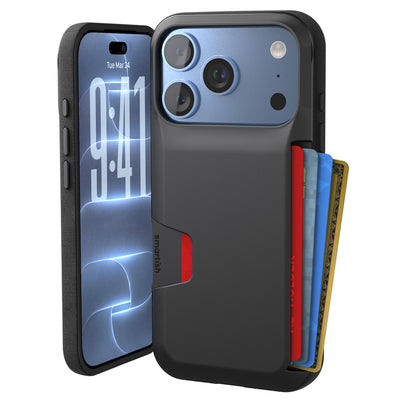
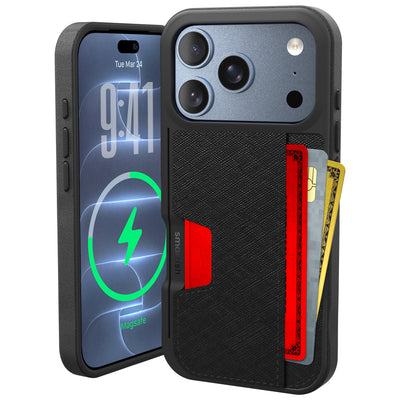
Back-of-phone card holders (like Wallet Slayer styles) attach storage directly behind your device, great for 1-3 cards but typically not MagSafe compatible. Folio cases open like books with inside slots for 4-6 cards plus cash. Detachable systems let you snap wallet modules on and off your phone case, perfect for switching between minimal and full-carry days. Crossbody and lanyard cases keep everything secure while your hands stay free for kids, coffee, or climbing stairs with groceries.
Slim Wallet Cases vs High-Capacity Wallet Cases
Slim wallet cases typically hold 1-3 cards plus a folded bill, adding roughly 2-3mm to your phone's thickness. They're built for the essentials: your daily driver credit card, ID, and emergency cash. The spring-loaded slots maintain tension without overstretching, so cards slide out smoothly but won't fall out when you're jogging for the bus.
High-capacity wallet cases accommodate 6+ cards, multiple bills, and sometimes coins or receipts. These folio-style cases add 8-12mm of bulk but replace your traditional wallet entirely. The trade-off? Your phone becomes noticeably thicker, and you'll need to consider front pocket vs back pocket carry more carefully.
Matching Case Types to Daily Routines
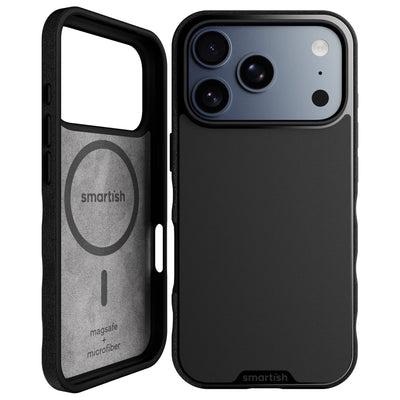
Tech enthusiasts who live on MagSafe accessories pair best with MagSafe-compatible cases like Gripmunk or Gripzilla, plus a separate snap-on wallet for flexibility. Commuters juggling transit cards and coffee runs thrive with back-wallet designs that offer one-handed card access. Parents managing kids, keys, and chaos benefit from crossbody cases with secure closures, nothing worse than cards scattered across a playground. Minimalists who've already pared down to 2-3 essential cards find slim back-wallets eliminate the "phone plus wallet" pocket shuffle entirely.
For those interested in the best iPhone 17 Pro wallet case options, you can find a detailed comparison in this best iPhone 17 Pro wallet case article.
Key Features That Separate the Best Wallet Cases from the Rest
Protection That Still Plays It Cool
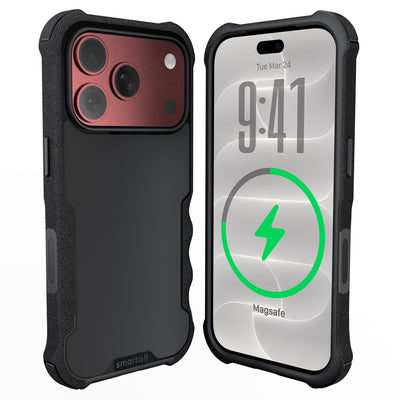
Air-pocket corners function like airbags for your phone, they compress on impact to absorb shock before it reaches your device. Since 80% of phone damage happens from corner impacts, this feature isn't negotiable in the best wallet cases. The ~1mm raised screen edge creates a protective barrier when your phone lands face-down, while the raised camera ring shields your lenses when placed on its back. Look for cases that pass real drop testing, 50 drops from 6 feet gives you confidence for actual daily use, not just marketing buzzwords.
For more on how screen protection works in conjunction with wallet cases, see this screen protector overview.
Card Security – No Surprise Yard Sales in the Checkout Line
The best wallet cases use spring-loaded or tension-based slots that securely hold 1-3 cards plus cash without requiring perfect placement every time. Side thumb access lets you push a card out with one smooth motion, no fumbling with flaps or fighting with tight slots while people wait behind you. Quality designs avoid moving parts like hinges or magnetic closures that can fail after months of daily use. The slot should grip your cards firmly enough that a gentle shake won't dislodge them, but not so tight that you need two hands to extract your credit card.
Comfort & Grip – The "I Forgot It Was in My Hand" Factor
Textured, grippy not sticky sides prevent drops without attracting pocket lint or feeling tacky against your palm. Finger grooves positioned at natural grip points make one-handed texting and photography comfortable during longer sessions. The back should be smooth enough to slide easily into pockets but substantial enough that you're not constantly worried about dropping your phone and losing your cards simultaneously.
Functional Extras That Are Actually Useful
Kickstand functionality comes in two flavors: built-in metal stands that flip out from the back, or card-slot stands where you use your own credit card as the support. Card-based stands work well for video calls and streaming, while metal kickstands handle heavier tablets or longer viewing sessions. Straps and crossbody options shine during festivals, travel, or hands-on parenting when you need your essentials secure but accessible. ID windows make sense for office badges or transit passes you flash frequently, less useful for cards you actually remove and insert into readers.
Materials 101 – Leather, Vegan, TPU & Friends

Common Wallet Case Materials (And What They're Like in Real Life)
TPU and hybrid shells absorb impacts effectively and resist daily wear, they're the workhorses of wallet case protection. Genuine leather develops character through a patina that emerges over 6-12 months of use, but requires occasional conditioning to prevent cracking. Vegan leather and PU maintain a consistent appearance longer and come in colors that genuine leather can't achieve naturally. Silicone and rubberized blends offer excellent grip and shock absorption but can attract lint and pet hair more readily than harder materials.
Durability vs Aesthetics – Picking Your Priority
If you upgrade phones annually, premium leather makes sense, you'll enjoy the feel and aging process without worrying about long-term durability. For 3+ year phone users, TPU hybrid shells maintain protection and appearance longer, especially if you're hard on your gear. Consider your environment: office workers can enjoy leather's sophistication, while outdoor enthusiasts benefit from TPU's weather resistance and easy cleaning.
For those who want to explore more about the best iPhone 17 cases overall, you can read this best iPhone 17 cases roundup for additional insights.
Care Basics by Material
Leather Care: Wipe with a slightly damp cloth and air-dry completely (10-15 minutes). Condition every 3-6 months with a pea-sized amount of quality leather conditioner applied with a soft cloth.
TPU/Silicone Care: Clean with mild soap and water, scrub for 30-60 seconds, then dry completely before reloading cards. These materials resist most stains and oils.
MagSafe & Wireless Charging with Wallet Cases
How MagSafe Wallets and Cases Actually Work
MagSafe uses ring magnets that align with compatible chargers and snap-on wallets. Only cases specifically designed and marketed as MagSafe compatible work with this system, like Gripmunk and Gripzilla from Smartish. The Wallet Slayer Vol. 1 and Vol. 2 are not MagSafe compatible due to their integrated wallet design.
For a full breakdown of MagSafe wallet options, see this MagSafe wallet guide.
Wallet Cases and Wireless Charging – What Works, What Doesn't
Back-wallet cases that hold 3+ cards plus cash typically block wireless charging due to thickness and materials. Before buying, check the product page for explicit wireless compatibility claims. Quick test: place your loaded case on a wireless charger for 2-3 minutes. If your phone doesn't show charging or gets unusually warm, stick to cable charging.
Using MagSafe Wallets vs Full Wallet Cases
MagSafe wallets offer snap-on/snap-off flexibility and work with MagSafe-compatible cases, staying slim when you want minimal carry. The trade-off: they're a separate accessory to track and typically hold only 2-3 cards. Full wallet cases integrate everything but sacrifice wireless charging capability.
Quick MagSafe FAQ: Magnets won't ruin modern credit cards or hotel keys. MagSafe wallets work on non-MagSafe phones when paired with a MagSafe-compatible case. Place cards with magnetic strips facing away from the phone for best contactless payment performance.
How to Choose the Best Wallet Case for Your Phone and Life
Start with Your Phone (Model-First Checklist)
Verify your exact model, iPhone 17, 16, or older, including camera layout and button placement. "Almost fits" cases cause real problems: blocked cameras, misaligned buttons, and loose protection that defeats the purpose.
Define Your Everyday Carry in 60 Seconds
Lay out everything in your current wallet. Pick the top 3-4 items you use daily. Move less-frequent cards to a secondary wallet or bag. Safe limits: slim back-wallets handle 1-3 cards plus folded cash; folios manage 3-6 cards plus flat bills.
Match Case Type to Lifestyle
Tech commuters using transit cards, ID, and tap-to-pay thrive with MagSafe-compatible slim cases. Parents juggling kids need easy one-handed access, back-wallet with thumb slot. Travelers benefit from folio cases with boarding pass storage plus backup wallet in bags.
Prioritizing Protection vs Bulk
Heavy phone users need air-pocket corners, rigid backplates, raised edges, and drop testing. Bulk-conscious users should choose slim back-wallets with 1-2 cards, adding roughly 2-3mm thickness. Consider front vs back pocket comfort when deciding. For more on ergonomic carrying and reducing strain, see this ergonomics resource from the CDC.
Compatibility with How You Charge
Daily MagSafe/wireless users need MagSafe-compatible cases plus separate MagSafe wallets. Cable chargers can use any wallet case design, often slimmer and more protective since wireless compatibility isn't required.
Everyday Use – How to Set Up, Organize, and Live with a Wallet Case

Setting Up Your Wallet Case the First Time
Clean your phone and case interior for 10-20 seconds. Insert phone starting from one corner, pressing around edges until fully seated. Load cards one at a time until tension feels snug. Add folded cash last, placed behind cards for smoother removal.
Organizing Cards for Quick Access
Place your most-used card closest to the thumb slot. For 2-3 card carry, stack daily drivers first, backup cards behind. Practice pulling and re-inserting cards 3-5 times so checkout flows smoothly.
Using the Kickstand Function
For card-based kickstands, insert a card in the side slot and angle your phone at 45-60° for stable viewing. Works best on flat, solid surfaces like tables, desks, or tray tables. Built-in kickstands (like Wallet Slayer Vol. 2) deploy without using your cards.
Safe Ways to Carry a Wallet Case
Front pocket reduces bending stress compared to back pocket sitting. In bags, store wallet cases in separate pockets to avoid key and coin scratches. Avoid prolonged sitting pressure on the phone.
Frequently Asked Questions
What key features should I look for when choosing the best wallet case for my phone?
Look for secure card storage that fits your everyday carry (1-6 cards plus cash), reliable protection like air-pocket corners and raised edges, and grippy sides that feel natural without being sticky. Also, consider precise fit for your phone model and easy card access without flap fumbling.
How do wallet cases differ from regular phone cases in terms of protection and usability?
Wallet cases combine phone protection with smart storage, so they’re thicker but reduce what you carry overall. They offer similar drop protection with air-pocket corners and raised edges but add card slots or cash sleeves, making them more functional for everyday carry without extra bulk.
Are wallet cases compatible with MagSafe and wireless charging on newer iPhone models?
Most wallet cases are not MagSafe compatible due to card storage interfering with magnets, but some designs pair a MagSafe-compatible case with a snap-on wallet module. Wireless charging usually requires removing the wallet or using a case designed specifically to support it.
Who benefits the most from using a wallet case, and are there any users for whom they might not be ideal?
Wallet cases are great for commuters, travelers, and busy parents who want to streamline what they carry by combining phone and wallet. They might not suit users who prefer ultra-slim cases or those who rarely carry cards and want the lightest possible phone setup.