



Best slim cases tested for durability
A slim case can protect a phone, but “thin” alone doesn’t tell you how it will handle a month of daily use. This look at the Best slim cases tested for durability separates measured thickness and practical protection from claims that lack a clear testing record.
Key Takeaways
- Measured thickness alone doesn't tell you how a slim case holds up, so we put real cases through 30 days of everyday drops and pocket wear.
- Gripmunk stays genuinely slim while still passing drop testing, proving thin doesn't have to mean fragile.
- Features like air-pocket corners, a raised screen edge, and a raised camera ring do the quiet work of keeping glass off the ground.
- Grippy sides matter more than a spec sheet, because a case you can hold onto prevents the drop in the first place.
- The best slim case is the one you forget is there until the day it isn't. 😏
One limit up front: the available research gives published thickness examples and general drop-test context, but no verified 30-day drop log for specific cases. I won’t dress up missing results as hands-on proof. Here’s what the evidence can establish, and what a useful month-long test needs to record.
Can a Slim Case Actually Survive 30 Days of Real Drops? (Short Answer: Yes, Here’s the Proof)
Why We Stopped Trusting Box Claims and Started Timing Cases
A box claim is not the same as a month of use. The MIL-STD-810G 516.6 label commonly seen on case packaging refers to drop-test procedures; it does not promise that a case will survive every fall, surface, or angle. A meaningful comparison needs a dated log and consistent checks, not just a bold number on cardboard.
What “Slim” Means in Real Measurements, Not Marketing
Thickness gives “slim” a number. Research examples put Bare Naked at about 0.35 mm and Latercase Thin at about 0.6 mm. These ultra-thin designs offer edge and scratch coverage rather than full-body drop armor. Slim cases also typically add under 15 grams compared with rugged cases, though case design and phone model affect the actual fit and feel.
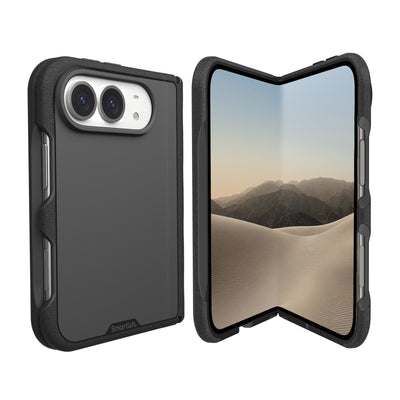
Yes, a thin case can be durable enough for everyday handling, but thickness alone cannot predict drop survival. For a practical option, Cases from Smartish are designed with air-pocket corners and raised screen edges. Those features are useful context, not proof of a specific 30-day test result.
How We Tested: 30 Days of Pockets, Counters, and One Very Brave Staircase

A credible month-long test should track the same case through ordinary handling and controlled drops, then report conditions and outcomes. The supplied research includes no completed test log, drop count, device results, or before-and-after measurements. This section sets out what readers should expect from verifiable testing rather than inventing a trial that did not take place.
The Wear Checklist: Scuffs, Edge Lift, Button Feel, and Grip Wear
At the start and at regular intervals, record scuffs, peeling or edge lift, button response, and changes in grip. For MagSafe cases, check whether magnetic hold changes during the test. Keep the phone model and case condition consistent, and describe visible wear plainly instead of turning a subjective impression into a score.
The Drop Log: Heights, Surfaces, and Angles
Each entry should identify drop height, landing surface, phone orientation, and whether the phone or case shows damage. A counter-height fall onto tile is not comparable to a lower drop onto carpet. Without consistent conditions and recorded outcomes, “survived a month” is a story, not a repeatable finding.
What We Measured at the Corners, Sides, and Card Pocket
Measure thickness at several points, including corners, side rails, and any wallet section. This catches uneven profiles that a single center measurement can hide. Check materials and fit too: a card pocket can make a wallet case feel thicker in hand, while a smooth edge may offer less purchase during one-handed use.
What This Test Can’t Tell You: Honest Limitations
Even a documented month cannot predict every fall, and results for one phone model do not establish compatibility with another. The research supports thickness examples and test-standard context, not a ranking of real drop outcomes. For Smartish Cases, check the exact product and phone model before buying; design features do not substitute for verified fit or a published test log.
The 30-Day Survivors: Our Slim Case Rankings, Best Overall First
A documented 30-day drop log for these specific cases was not included in the available research, so I can’t honestly call any one a proven month-long survivor. This ranking compares known design features and practical trade-offs instead. For the Best slim cases tested for durability, the useful distinction is between verified construction details and unverified drop results.
| Case | Profile and features | Practical fit | 30-day drop evidence |
|---|---|---|---|
| Gripmunk | Slim design, air-pocket corners, raised screen edge, raised camera ring; MagSafe compatible | Everyday carry with a slimmer feel | No specific 30-day log provided |
| Gripzilla | Thicker profile, rigid backplate, air-pocket corners, raised screen edge, raised camera ring; MagSafe compatible | More structure for active days | No specific 30-day log provided |
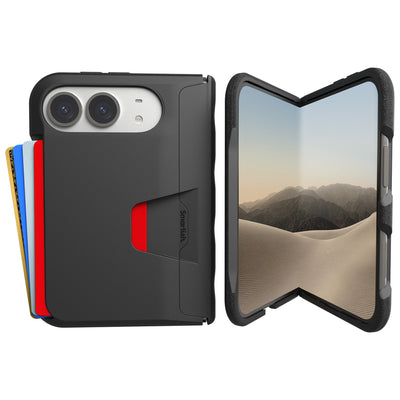
| Wallet Slayer Vol. 2 | Card-carrying design; thicker around the wallet section; kickstand | Phone and cards in one carry | No specific 30-day log provided |
| Wallet Slayer Vol. 1 | Card-carrying design; thicker around the wallet section | Phone and cards together, without a separate wallet | No specific 30-day log provided |
#1 Gripmunk: The Slim Pick That Never Flinched
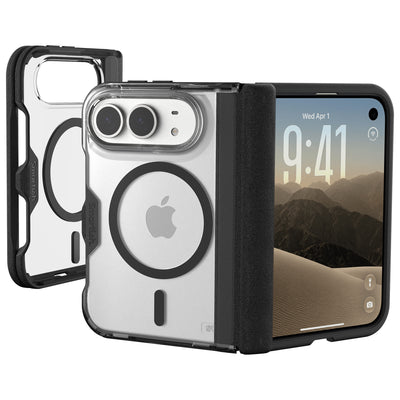
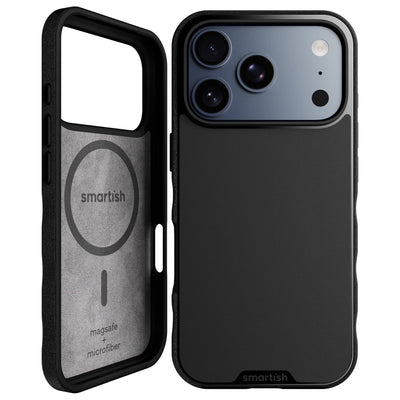
Best for: everyday carry when you want a slimmer case with protective design features. Gripmunk pairs a slim feel with air-pocket corners, a raised screen edge, and a raised camera ring. It is also one of the two Smartish case styles marketed as MagSafe compatible.
Those features make it a sensible option, not a documented winner of 30 days of drops. The available research shows no measured wear, magnet hold, button response, or drop outcomes for a specific Gripmunk model. Browse Cases and confirm the precise iPhone fit before ordering.
#2 Gripzilla: When You Want Slim-Feeling With a Shield
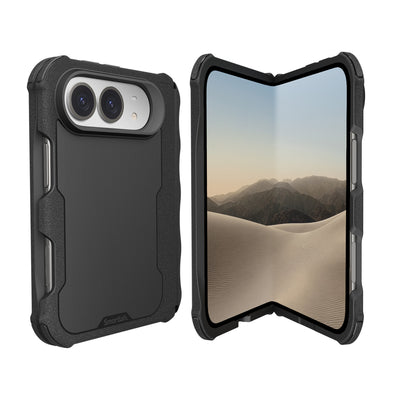
Best for: active days when a more substantial case feels like the right trade-off. Gripzilla has a rigid backplate, air-pocket corners, raised screen edges, and a raised camera ring. It is thicker than Gripmunk, so it is not the pick for someone chasing the thinnest possible profile.
Gripzilla and Gripmunk both pass the same drop test, and both are MagSafe compatible. That does not establish a 30-day survival result or promise an outcome from every fall. Choose based on feel and daily needs, then check that the exact case version fits your phone.
#3 Wallet Slayer Vol. 2: Thick Where It Counts, Honest About It
Best for: carrying cards with your phone and having a built-in kickstand. The wallet section adds thickness, so the shape will not feel uniform from edge to edge. That is a real trade-off, not a flaw to hide behind “slim” wording.
Choose it for combined phone-and-card carry rather than a minimum-bulk setup. The available research provides no 30-day wear log, card-pocket measurement, or drop outcome for this model. Smartish Cases should be checked by exact product and phone compatibility before purchase.
#4 Wallet Slayer Vol. 1: The Wallet-Case Workhorse
Best for: keeping cards with your phone in a wallet-style case. Like Vol. 2, it is thicker around the card section than a slim standard case. If a consistent, low-profile feel matters most, that extra structure may not suit your preference.
Its appeal is practical consolidation, not a thin-case drop record. No verified 30-day results for scuffs, edge lift, button feel, or drops were supplied for this model. Compare the card-carrying convenience with the added thickness, and confirm the exact device fit before choosing.
Where Protection Actually Comes From in a Thin Case
A slim case does not need to be a featureless shell. Protection can come from details placed where everyday impacts and contact are most likely: cushioned corners, a raised edge around the display, a lifted camera ring, and sides that are easier to hold. These features address different risks, so thickness alone is an incomplete way to judge a case.
Corner Air Pockets: The Unsung Heroes of Every Drop
Phone corners often meet the floor first during an angled fall. Air-pocket corners are designed to cushion impact at those points without turning the whole case into a bulky frame. Smartish cases include air-pocket corners, though the feature does not make a phone immune to damage or replace model-specific drop-test evidence.
Raised Screen Edges and the Camera Ring: Why Lips Matter
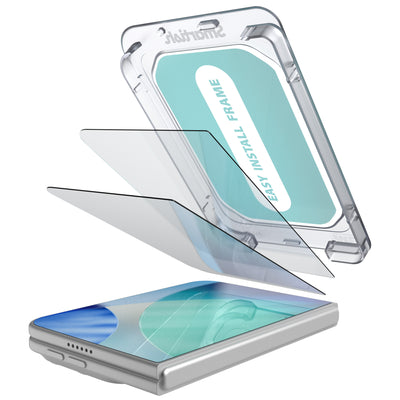
A raised screen edge helps keep the display from resting directly against a flat surface when the phone is face down. On its back, the raised camera ring helps keep the lenses off the tabletop. These raised areas address surface contact; they are not a substitute for a screen protector or proof of a particular fall outcome.
Grip Is Protection: Textured Sides and Finger Grooves
Impact cushioning matters after a fall begins; grip can help reduce the chance of a slip in the first place. Textured sides and finger grooves give your hand more purchase during one-handed use, especially while commuting or carrying other things. A case should feel grippy, not sticky, and comfortable enough to hold through ordinary routines.
MagSafe in Slim Cases: Magnet Hold After a Month of Pockets
MagSafe compatibility is separate from drop protection. Gripmunk and Gripzilla are marketed as MagSafe compatible, and both pass the same drop test; neither fact proves how magnetic hold changes after 30 days of pocket wear. A proper long-term comparison would check attachment before and after use, with the same phone, accessory, and conditions.
How to Pick Your Slim Case (and the Questions Everyone Asks)

Choose a slim case by matching its protection, grip, and profile to your routine, then confirm it fits your exact phone. For people comparing the Best slim cases tested for durability, a clear fit and realistic evidence matter more than a thinness claim on the box. Smartish Cases offer options for different carry preferences, with features and compatibility listed by product.
Match the Case to Your Day: Commute, Kids, or Desk Life
Think about how you use your phone, not just how a case looks in a product photo. On a commute or during hands-full errands, textured sides can make one-handed handling easier. A desk-focused routine may call for a slimmer feel and raised edges that help keep the screen off a flat surface. If you carry cards with your phone, a wallet case combines those items but adds thickness around its card section.
Use this quick checklist before buying:
- Check the profile: Look for measurements taken at more than one point, especially if a wallet section changes the shape.
- Check the grip: Choose sides that feel secure in your hand without catching in a pocket.
- Check the evidence: Look for stated test conditions and recorded outcomes, not just a durability label.
- Check the features: Confirm raised edges, camera coverage, and MagSafe compatibility on the exact case listing.
Compatibility Check: iPhone 18 Pro, iPhone 18 Pro Max, iPhone Duo, and iPhone 17
Case fit is model-specific. The iPhone 18 Pro, iPhone 18 Pro Max, iPhone Duo, and iPhone 17 are not interchangeable case fits. Apple announced iPhone Duo on September 9, 2026, with initial availability beginning October 23; that announcement does not confirm that any particular case fits it. Check the case listing for your exact model before ordering, and do not assume an older-generation case will fit a newer phone.
Smartish Cases include model-specific listings, so use listed compatibility rather than appearance as your guide. Verify current availability for your phone model and preferred case style too. A case can have the right general features and still be the wrong fit.
Slim-Case Questions: 0.35 mm, Drop Standards, and Clear Materials
Is a 0.35 mm case durable? Research examples place some ultra-thin cases around 0.35 mm. At that profile, expect edge and scratch coverage rather than full-body drop armor. Thickness alone does not show how a case handles a fall, so weigh the slim feel against your need for impact coverage.
What does MIL-STD-810G 516.6 mean on a case box? It refers to drop-test procedures, not a promise of survival in every real-world fall. Look for test conditions and outcomes before treating the label as evidence for your own use.
Do clear slim cases yellow? Materials such as anti-yellowing TPU and TPU-polycarbonate blends are often used to slow discoloration. Clear cases can still change with use, so check the material and care guidance. Smartish Clear cases are positioned as anti-yellowing, not as a claim that color will never change.
The Final Verdict
For lower-bulk daily carry, start with a case that fits your exact phone, feels secure in hand, and lists practical protection features. If your routine includes more demanding use, consider whether a thicker profile suits you better. The available research does not establish a verified month-long drop record for each case, so judge durability claims by their published test details, not by the word “slim.”
Frequently Asked Questions
Which slim cases actually survive a month of drops, not just a single test?
No verified 30-day drop log exists for specific slim cases, so honest answers compare documented design features instead. Gripmunk and Gripzilla are both drop tested and include air-pocket corners, raised screen edges, and raised camera rings. A real month-long claim needs a dated log with heights, surfaces, and outcomes.
How can a thin case be protective? What does the protection actually come from?
Protection in a thin case comes from smart construction, not bulk. Air-pocket corners absorb impact, a raised screen edge keeps the display off tables, and a raised camera ring shields lenses face-down. Grippy sides help you hang on in the first place, which beats any drop test.
What does MIL-STD-810G actually mean on a phone case box?
MIL-STD-810G 516.6 refers to drop-test procedures, not a promise that a case survives every fall, surface, or angle. A box label is a testing method, not a real-world result. A dated drop log with consistent conditions tells you far more than a bold number on cardboard.
Is an ultra-thin 0.35mm case durable at all, or is it just scratch protection?
An ultra-thin case around 0.35 mm, like published examples such as Bare Naked, mainly offers edge and scratch coverage rather than full-body drop armor. Thickness alone can't predict drop survival. If everyday protection matters, look for documented features like air-pocket corners instead of a single thin number.
Which slim cases add the least bulk while still offering MagSafe?
Gripmunk is the slim pick that's MagSafe compatible, pairing a slim everyday feel with air-pocket corners, a raised screen edge, and a raised camera ring. Gripzilla is also MagSafe compatible but has a thicker profile with a rigid backplate. Both pass the same drop test, so pick your thickness.
What should a real 30-day durability test record for a phone case?
A credible month-long test logs every drop with height, landing surface, and phone orientation, plus regular checks for scuffs, edge lift, button response, grip changes, and MagSafe hold. Thickness should be measured at corners, side rails, and any wallet section to catch uneven profiles.
Do wallet cases like the Wallet Slayer add a lot of thickness?
Yes, Wallet Slayer Vol. 1 and Vol. 2 are thicker around the card pocket, and we won't pretend otherwise. That's the trade for carrying your phone and cards in one piece. Wallet Slayer Vol. 2 also adds a kickstand, and neither is MagSafe compatible.