


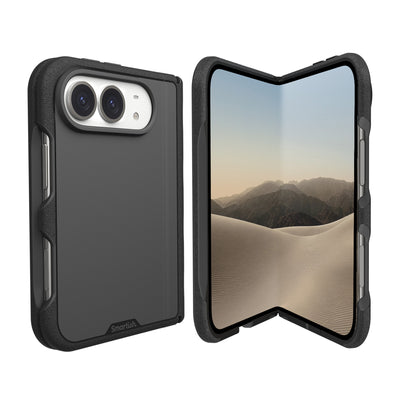
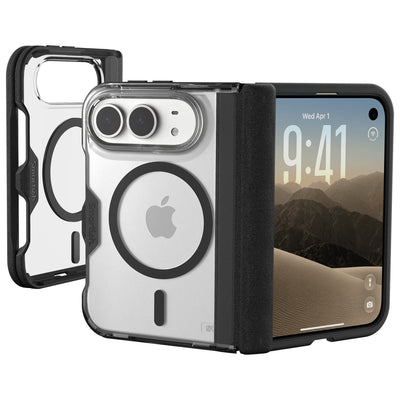
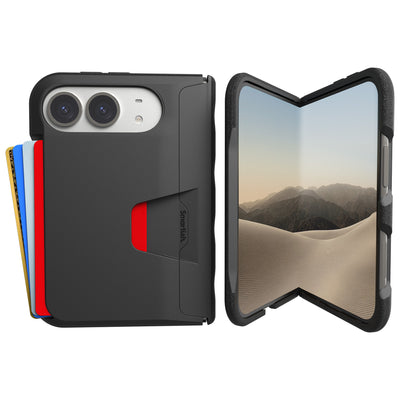
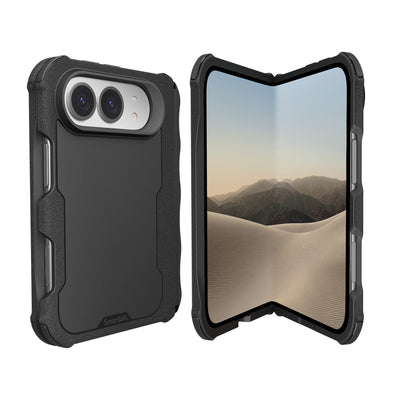

Your phone is practically glued to your hand these days. It orders food, navigates your commute, and captures life’s moments. But for handling your cash and cards, it’s usually a two-person job: your phone and your wallet. This often means a pocket stuffed with more than you need, a forgotten wallet on the nightstand, or a frantic pat-down before you leave the house. What if you could simplify that daily juggle?
That’s the core idea behind a phone wallet. A clever solution designed to simplify your essentials. It’s about ditching the bulk and keeping what matters most, right where your phone already lives. Think of it as giving your most-used device a double-duty upgrade, making your pockets lighter and your life a little less complicated.
What Is a Phone Wallet? (Quick Answer)
The one-item fix for pocket clutter
Simply put, a phone wallet is an accessory designed to attach to or integrate with your smartphone, providing a secure spot for your essential cards and cash. It’s the modern answer to the age-old problem of carrying too much. Instead of juggling your phone, keys, and a bulky traditional wallet, a phone wallet consolidates these items into one accessible unit. This not only reduces pocket bulge but also minimizes the risk of forgetting your wallet entirely, a common annoyance for many. Our founder, Matt, even sketched out the first concept for a wallet-phone case hybrid on a napkin, driven by his own frustration with pocket clutter. It’s about making life easier, one less thing to carry.
Why people are ditching the separate wallet
The shift away from separate wallets isn't just a trend; it's a practical evolution. Think about it: over 80% of people carry their smartphone everywhere, all the time. It’s the one device you’re least likely to leave behind. By attaching a wallet function directly to your phone, you inherently reduce the chances of leaving your cards or ID at home. This convenience is a major draw, especially for those who prefer a minimalist approach or find themselves constantly on the move. It’s about having what you need, when you need it, without the extra weight or the worry of misplacing a secondary item. The market for these handy accessories is growing, showing just how many people are embracing this simpler way to carry their essentials.
Phone Wallet Types: Stick-On vs MagSafe vs Case-Integrated

Stick-on phone wallets: universal fit, permanent commitment
These are the most versatile in terms of compatibility. Stick-on phone wallets typically adhere to the back of your phone or existing phone case using strong adhesive. This makes them a great option for virtually any smartphone, whether it’s an iPhone or an Android device, and regardless of whether it supports newer magnetic technologies. They usually offer a slim profile and can hold a few cards. The trade-off? Once applied, they’re generally not meant to be removed easily, making them a more permanent choice. If you’re looking for a simple, widely compatible way to add card storage without replacing your entire case, a stick-on might be your go-to, but be sure you’re happy with its placement long-term.
MagSafe wallets: snap on, swap off
For iPhone users with models 12 and newer, MagSafe wallets offer a convenient, wire-free magnetic attachment. These wallets snap directly onto the back of your phone or a MagSafe-compatible case, aligning perfectly with the built-in magnets. The biggest advantage here is flexibility; you can easily attach, detach, and swap out your wallet as needed. Want to go caseless for a bit, or switch to a different accessory? No problem. MagSafe wallets are also often designed to work with wireless chargers, although some thicker designs might still cause interference. They provide a clean look and secure hold, ideal for those who value modularity and quick changes.
Case-integrated wallets: everything built in
These solutions combine a protective phone case and a wallet into a single, unified product. Unlike stick-on or magnetic options, the wallet component is built directly into the case structure itself. This often allows for more strong card storage, sometimes holding more cards than typical stick-on or MagSafe versions. They offer a complete protection package, meaning you don’t need a separate case. That said, they are usually model-specific, so you’ll need to find one designed precisely for your phone. A prime example is the Dancing Queen - Crossbody Wallet Case for iPhone 11 Pro Max, which securely holds cards and cash while also offering full phone protection and a handy crossbody strap for ultimate convenience. These cases are a solid choice for those who want an all-in-one solution and don’t plan on switching phone cases frequently.
Side-by-side comparison: which type fits your life?
Choosing the right type of phone wallet depends heavily on your personal habits and devices. Stick-on wallets are the universal soldiers, working with almost any phone but demanding a committed relationship with your device. MagSafe wallets, primarily for newer iPhones, offer the ultimate in convenience and modularity, allowing you to snap on and off with ease, and often supporting wireless charging. Case-integrated wallets, like the Dancing Queen - Crossbody Wallet Case for iPhone 11 Pro Max, provide a complete package of protection and storage, ideal for those seeking a streamlined, all-in-one solution. Consider your phone model, how many cards you carry, and whether you prioritize quick swaps or a permanent, integrated system to find the best fit for your everyday carry.
How to Choose a Phone Wallet Without Overthinking It
Alright, let's cut through the noise. Picking the right phone wallet shouldn't feel like assembling IKEA furniture without instructions. It’s about finding a simple, functional upgrade that makes sense for your daily grind. Think about your phone first: are you rocking the latest iPhone with all its MagSafe magic, or do you have an Android device that needs a different approach? This is your starting point. The goal is to pair your tech with a wallet solution that’s less about blinking lights and more about making your life smoother. We’re talking about convenience, not complication.
Match the wallet to your phone (iPhone vs Android)
This is non-negotiable. If you have an iPhone 12 or newer, you've got MagSafe built-in, opening the door to sleek, snap-on magnetic wallets like the Bellroy Mag Wallet or Case-Mate options. These offer easy attachment and removal. For older iPhones or any Android device, your options branch out. You can opt for a universal stick-on wallet that adheres to the back of your phone or case, offering broad compatibility. Alternatively, many case-integrated wallet solutions exist for specific Android models, like a cell phone wallet case for Android users that doesn't rely on magnets. Just remember, Android phones don't have native MagSafe, so any magnetic wallet will need an adapter ring or won't stick as securely. Don't let your phone choice dictate your wallet frustration; pick the type that plays nice with your specific device.
Card capacity and carrying cash without the bulk
How many cards do you *really* need on you daily? Most people get by with just two or three: a primary credit card, an ID, and maybe a transit pass or loyalty card. Many phone wallets are designed with this in mind, holding 2-4 cards comfortably. Stick-on wallets and MagSafe wallets typically offer less capacity, often 2-3 cards max, to maintain a slim profile. Case-integrated options, on the other hand, can sometimes hold more, especially if they have a dedicated slot or compartment. If you’re someone who still occasionally carries cash, look for a wallet that has a small pocket or space behind the cards where a folded bill or two can tuck away without adding significant bulk. The Dancing Queen - Crossbody Wallet Case for iPhone 11 Pro Max, for example, securely holds 5 cards plus cash, offering a more substantial storage solution for those who need it, all within a protective case.
Materials: leather, silicone, plastic. What holds up
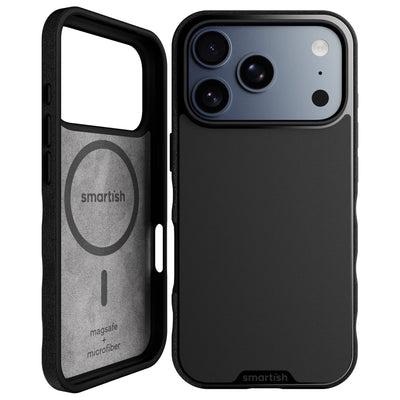
The material of your phone wallet impacts its durability, feel, and how it ages. Leather offers a classic, premium look and develops a patina over time, but can be prone to scratches and wear. Silicone is grippy, flexible, and often more budget-friendly, providing good shock absorption if it's part of a case. Plastics range from rigid polycarbonate for structure to softer TPU for flexibility. For a phone wallet, consider how the material will interact with your pocket or bag. Will it snag? Will it get scuffed easily? If you’re looking for a phone wallet for men that maintains a low-profile, textured finishes on silicone or durable plastics can offer a good grip and a refined look without being flashy. The Smartish approach focuses on materials that feel good, protect your tech, and stand up to daily life without looking beat up after a few weeks.
What's a fair price for a phone wallet?
Prices for phone wallets can swing wildly, from under $10 for a basic stick-on cardholder to $60 or more for premium MagSafe wallets or integrated cases. So, what's reasonable? For a simple stick-on or a basic MagSafe card holder, expect to pay between $15-$30. These usually hold 2-3 cards and are made from durable plastics or silicone. If you’re looking at a case-integrated wallet, like the Dancing Queen - Crossbody Wallet Case for iPhone 11 Pro Max, which also includes a crossbody strap for added utility, prices might range from $30-$50. Higher price tags often reflect brand reputation, superior materials, advanced features like RFID blocking, or stronger magnetic attachments. Ultimately, a fair price is one that aligns with the quality, capacity, and convenience you’re getting. Don't pay extra for features you don't need, but don't skimp on protection or functionality either.
Real-World Phone Wallet Trade-Offs Nobody Talks About
We’ve all seen the glossy ads, but what’s the day-to-day reality of living with a phone wallet? Beyond the basic function of holding cards, there are a few quirks and potential annoyances that don't always make the marketing brochures. Smartish is all about solving those unexpected needs, which means being honest about the little things that might trip you up. Think about how your phone wallet will interact with other tech, how it holds up over time, and what happens when life inevitably throws your phone a curveball.
Wireless charging: will your wallet get in the way?
This is a big one, especially for iPhone users. Many MagSafe wallets are designed to be thin enough that you can leave them attached while wirelessly charging your phone. That said, it’s not a universal guarantee. If the wallet is too thick, or if it contains metal components beyond the magnets, it can interfere with or completely block wireless charging. Some stick-on wallets and case-integrated wallets that aren't MagSafe compatible will also require removal before charging. Always check the product details. Some, like the Smartish Wallet Slayer Vol. 2, are designed to be removed easily for charging. If wireless charging is a must-have for you, confirm compatibility before buying, or choose a wallet that’s simple to detach.
Magnet strength and adhesion over time
For MagSafe wallets, the magnet strength is key. A good wallet should snap on securely and stay put even when you pull your phone out of your pocket. Apple's MagSafe system offers a strong connection, but third-party magnets can vary. Over time, repeated attachment and removal, or exposure to heat and moisture, can potentially weaken magnetic connections or the adhesive on stick-on wallets. While most reputable brands use strong N52 magnets for MagSafe, it’s worth considering how often you’ll be swapping your wallet. For stick-on types, the quality of the adhesive is paramount; a cheap adhesive can lead to your wallet detaching at the worst possible moment, scattering your cards. This is why Smartish focuses on reliable attachment methods, ensuring your essentials stay put.
Drop protection when cards are inside
Adding cards and cash to your phone wallet naturally changes how your phone behaves when dropped. Instead of just a phone and case, you have a slightly thicker, potentially less balanced object. If the wallet component is integrated into a protective case, the case's design is still the primary defense. Look for features like raised bezels around the screen and camera, and reinforced corners. Smartish cases, including those with wallet functionality, are built with drop protection in mind. The added cards inside can sometimes act as a minor buffer, but they can also shift the impact point. The key is choosing a wallet that’s part of a case designed to pass rigorous drop tests, ensuring your phone and its contents are protected, regardless of thickness.
RFID blocking: do you actually need it?
Many phone wallets advertise RFID blocking technology, promising to protect your cards from unauthorized scanning. While it sounds reassuring, the practical need for most users is debatable. RFID (Radio-Frequency Identification) is used in many credit cards and passports. That said, the range at which these cards can be scanned without physical contact is typically very short, and the circumstances required for a successful "skimming" attack are quite specific. For the average person, the risk of having their cards skimmed from a wallet attached to their phone is minimal. If you frequently travel to high-risk areas or carry highly sensitive information, RFID blocking might offer peace of mind. Otherwise, it’s often an added feature that might increase cost without providing a significant benefit for your daily use of a phone wallet.
Android users: your MagSafe options explained
Here’s a common point of confusion: Android phones don't come with MagSafe built-in. So, how can you get that convenient magnetic wallet experience? The answer lies in adapter rings. You can purchase a metal ring with adhesive backing that attaches to the back of your Android phone or its case. This ring creates a magnetic surface that a MagSafe wallet can then attach to. The strength of the connection will depend on the quality of the ring and the wallet's magnets. Alternatively, many excellent non-magnetic wallet solutions exist specifically for Android devices, including strong cell phone wallet case for Samsung or other brands, or universal stick-on cardholders. While adapters offer a workaround, a dedicated case or stick-on wallet designed for your Android model might provide a more integrated and reliable experience than relying on add-on magnets.
Phone Wallet FAQs

Are phone wallets safe for my phone?
Generally, yes. Most phone wallets are designed with safety and your phone’s well-being in mind. Whether it's a stick-on, MagSafe-compatible, or case-integrated design, reputable brands focus on materials and attachment methods that won't damage your device. For example, MagSafe wallets use magnets that are specifically calibrated not to harm your phone's internal components. Stick-on wallets rely on strong adhesives that, while secure, are typically designed to be removed without leaving residue or peeling finishes, especially if applied to a protective case. Case-integrated options are built as a shield, offering protection while holding your cards. The key is choosing a well-made product from a trusted brand that prioritizes both functionality and phone protection. Avoid extremely cheap, unbranded options that might use harsh adhesives or overly strong magnets.
The primary concern sometimes raised is about the added weight or bulk potentially affecting phone handling, or how a drop might occur with cards inside. That said, the structural integrity of your phone is rarely compromised by the wallet itself. Smartish products, for example, are rigorously tested to ensure they protect your device. The Dancing Queen - Crossbody Wallet Case for iPhone 11 Pro Max, a case-integrated solution, provides a full layer of protection for your iPhone 11 Pro Max while securely storing cards and cash, ensuring your phone remains shielded from everyday hazards.
Can I use a MagSafe wallet if my phone doesn't have MagSafe?
This is a common question, especially for Android users or those with older iPhones. The short answer is: not directly, but there are workarounds. MagSafe is a proprietary magnetic alignment system built into the iPhone 12 series and newer. A true MagSafe wallet relies on these internal magnets for a secure, precise connection. So, if your phone lacks this built-in system, a standard MagSafe wallet won't snap on and stay put reliably.
That said, you can achieve a similar magnetic experience for many phones. The most popular method involves using a MagSafe adapter ring. These are metal rings with adhesive backing that you stick onto the back of your phone or your existing phone case. Once applied, this ring creates a magnetic surface that a MagSafe wallet can then attach to. While this allows for magnetic attachment, the strength and alignment might not be as perfect or as strong as with a native MagSafe iPhone. For Android users, this adapter ring is often the best way to get MagSafe wallet functionality. Alternatively, many excellent non-magnetic wallet solutions, like stick-on card holders or dedicated cell phone wallet case for Android devices and other brands, offer secure storage without needing magnets.
What is the best phone wallet for men?
The "best" phone wallet for men really boils down to personal style, daily habits, and what you need to carry. Many men prefer a low-profile, functional accessory that doesn't add unnecessary bulk to their pockets or look too flashy. For a minimalist approach, a slim MagSafe wallet that attaches to the back of an iPhone is a popular choice, often holding 2-3 cards discreetly. Brands like Ridge offer sleek magnetic wallets, and Smartish provides options like the Gripmunk or Gripzilla that pair well with a phone for card carrying. These are great if you want to ditch a traditional wallet entirely.
If you carry a few more cards or occasionally need to stash some cash, a case-integrated wallet might be better. These offer more storage and often better overall phone protection. For example, a durable phone wallet for men might feature textured grips or a matte finish that’s easy to hold and less prone to showing scuffs. The best phone wallet for someone who values convenience and security would be one that balances slimness with capacity. Consider materials like durable plastics, silicone, or even rugged leather alternatives that hold up well to daily use. Ultimately, it's about finding a reliable, practical accessory that simplifies your carry without complicating your style.
How many cards can a typical phone wallet hold?
The card capacity of a phone wallet varies significantly based on its type and design. On the slimmer end, you'll find MagSafe wallets and simple stick-on cardholders, which are generally designed for true minimalists. These typically hold between 2 to 3 cards comfortably. The goal here is to replace your primary cards, like your ID and a credit card, keeping things as slim as possible. Many of these rely on elastic bands or snug slots to keep cards secure.
For those who need a bit more, case-integrated wallets often offer greater capacity. These combine a protective phone case with a dedicated wallet section, which can sometimes accommodate up to 5 cards or even a few bills tucked away. For example, the Smartish Dancing Queen - Crossbody Wallet Case for iPhone 11 Pro Max is specifically designed to securely hold 5 cards plus cash, providing a substantial storage solution within a protective case. When choosing, think about what you absolutely need to carry daily. If you find yourself needing more than 5 cards, a dedicated wallet might still be necessary, but for most daily essentials, a good phone wallet can easily take its place. Look for descriptions that specify card count to ensure it meets your needs.
Do phone wallets block RFID?
Many phone wallets do advertise RFID (Radio-Frequency Identification) blocking technology, and for good reason. This feature is designed to protect your credit cards, debit cards, and passports from unauthorized scanning. RFID chips in these items can transmit data wirelessly, and in rare instances, a skimmer device could potentially read this information from a distance, leading to identity theft or financial fraud. By incorporating a layer of shielding material, RFID-blocking phone wallets prevent these signals from reaching your cards.
That said, note that the practical need for RFID blocking for the average user is often debated. The range for illicit RFID scanning is typically very short, and the circumstances required for a successful attack are quite specific. For many people, the risk of having their cards skimmed from a wallet attached to their phone is minimal. If you frequently travel to areas known for higher security risks or carry particularly sensitive identification, then an RFID-blocking phone wallet can provide valuable peace of mind. If not, it might be an added feature that increases cost without a significant benefit for your everyday use. Many quality phone wallet magsafe accessories and other types offer this feature, so check product specifications if it’s a priority for you.