



Recommended cases for people who drop phones often
For Recommended cases for people who drop phones often, start with grip, cushioned corners, and raised edges, not maximum bulk. A case should help you hold on, absorb some impact when a fumble happens, and keep the screen and camera from landing directly on a hard surface.
Key Takeaways
- Grip comes first: textured sides help the phone stay in your hand, which beats any amount of padding after gravity wins.
- Air-pocket corners and a raised screen edge give your fumbles a soft landing and keep the display off the pavement.
- A raised camera ring matters just as much, since lenses take the hit when a phone lands face up.
- Protection does not require a bulky case, so a slim option that passes drop testing is a smart pick for daily life.
- If your butterfingers moments coincide with crowded pockets, a wallet case can cut the clutter while keeping the cushioning.
At Smartish, we design Cases around everyday handling. Think about where your phone tends to slip: from your hand, a pocket, or the car seat. That points you toward the features worth having.
Why Gravity Keeps Winning (and How the Right Case Fights Back)
The best case for someone who drops a phone often combines grippy sides, impact-absorbing edges, air-pocket corners, and raised borders around the screen and camera. Grip can help prevent a slip, while cushioning and raised edges help reduce direct contact during an impact. A bulky shell is not the only route to everyday protection. Choose a case that feels secure in your hand and suits how you carry your phone.
Key takeaway: Grip helps prevent the drop; corner cushioning and raised edges help manage the landing. For Recommended cases for people who drop phones often, look for both, rather than choosing by thickness alone.
The Anatomy of Real Drop Protection
A phone can hit a corner, land screen-first, or come down on its camera side. A case cannot prevent every kind of damage, but its shape and construction can create a buffer between the device and the surface.
- Air-pocket corners: Add cushioning at the corners, which may take the first hit.
- Impact-absorbing edges: Add material around the phone’s perimeter to help absorb some force during a fall.
- Raised screen edge: Helps keep the display off a flat surface when the phone lands face-down.
- Raised camera ring: Lifts the camera area when the phone rests on its back, helping keep the lenses from directly touching a tabletop.
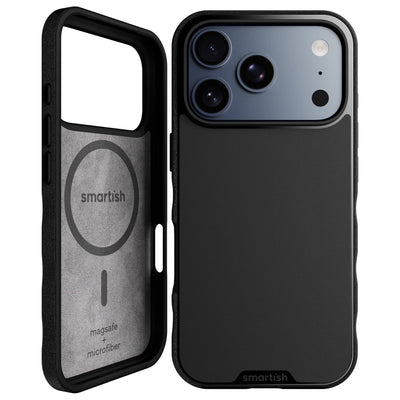
These details work as a system, not a promise that a phone will emerge untouched from every fall. Surface, angle, and landing point all matter. Smartish Cases include air-pocket corners and raised screen edges, plus a raised camera ring for lens clearance when the phone rests on its back.
Grip First: Why Your Hands Are the Problem
Many everyday drops begin before impact: a phone slides against a palm, shifts during a one-handed text, or slips while you juggle keys and bags. Textured sides give your fingers more to hold than a slick edge. Finger grooves can offer a natural place for your hand to settle, especially when you are walking or reaching for something else.
Judge Recommended cases for people who drop phones often in hand as well as by their protective features. The right balance feels secure without making the phone awkward to carry. Smartish Cases have textured sides that are grippy, not sticky, so they are easier to hold without catching in a pocket.
Match the Case to Your Drop Scenario

Think about the last time your phone slipped. A hand fumble calls for a more secure hold; a fall onto a hard floor makes corner and edge coverage more relevant. Match case details to your routine instead of adding bulk that may not solve the problem.
The One-Handed Fumble: Grip and Finger Grooves
If your phone slides while you scroll, text, or carry groceries, begin with the sides. Textured edges can help your fingers maintain contact, and finger grooves offer a defined resting place. If your fingers keep searching for a stable position, a smoother case is unlikely to help. Grip matters before the phone starts falling, when a better hold may prevent the slip.
The Pocket Slip: Slim Cases With Real Protection
A phone that slides out of a pocket or bag needs a case that fits your everyday carry without unnecessary bulk. Look for a slim profile with corner cushioning and enough edge height to keep the screen and camera from resting flush against a surface. A comfortable case is more likely to suit daily use. Choose practical coverage in a shape you will actually carry, not the thickest option by default.
The Car-Exit Tumble: Corners and Raised Edges
Phones can shift on a seat or lap and tumble onto pavement as you get out of the car. Corner cushioning and protective edges matter because the phone may strike an uneven surface at an angle. Air-pocket corners add cushioning where impact can concentrate, while impact-absorbing edges surround the phone’s perimeter. Check that the case covers the corners and sits securely, with openings and controls aligned for everyday use.
The Tabletop Face-Plant: Screen and Camera Protection
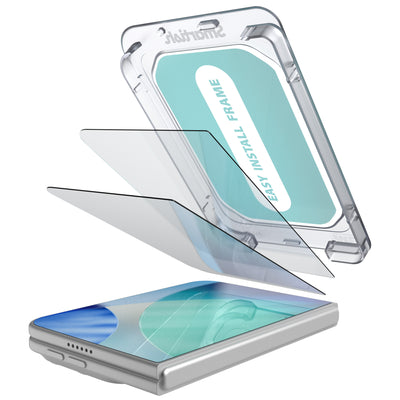
A phone that lands face-down on a desk, counter, or sidewalk needs clearance between the surface and the glass. A raised screen edge helps provide that gap on a flat surface. The raised camera ring helps keep the lenses from directly contacting a tabletop when the phone rests on its back. These details are not force fields: grit, uneven ground, and a hard angled impact can still cause damage. A screen protector can add another layer for the display.
- Before choosing: Notice whether the phone slips from your hand, pocket, or car seat most often.
- Check the fit: Match the case to the exact phone model and make sure corners and edges are covered.
- Check the landing points: Look for corner cushioning, a raised screen edge, and a raised camera ring.
Use those checks to prioritize features tied to your habits. Smartish Cases offer grip-focused sides and everyday impact features without making maximum bulk the only answer.
Slim vs. Rugged vs. Wallet: Comparing Your Options
There is no single case style for every frequent dropper. A protective design may suit you if you want more coverage; a slim case can be easier to carry and hold onto. A wallet case adds card storage, with more thickness as the trade-off. Weigh grip, corner and edge coverage, pocket comfort, and how you use your phone. Not thickness alone.
Side-by-Side Comparison of Case Types
This comparison covers everyday fit and function, not a promise that any case prevents all damage. Phone models have different dimensions, so confirm exact compatibility before choosing a case.
| Case style | Best suited to | Trade-off |
|---|---|---|
| Protective | People who want a thicker feel and extra coverage for active routines | May feel larger in a pocket |
| Slim | People who prioritize easy pocket carry and a lighter feel | Less substantial in hand than a thicker case |
| Wallet | People who want their phone and cards together | Thicker than a slim case |
Smartish Cases include air-pocket corners and raised screen edges. The raised camera ring lifts the lenses when the phone rests on its back. These details offer useful coverage without making the thickest possible case the default.
Do Bulky Rugged Cases Actually Protect Better?
More material can mean a larger feel, but bulk alone does not show how a case is built or how it fits your habits. For everyday drops, check for secure corner coverage, impact-absorbing edges, and a steady feel in your hand. If a case makes your phone awkward to carry, the extra size may not suit your routine.
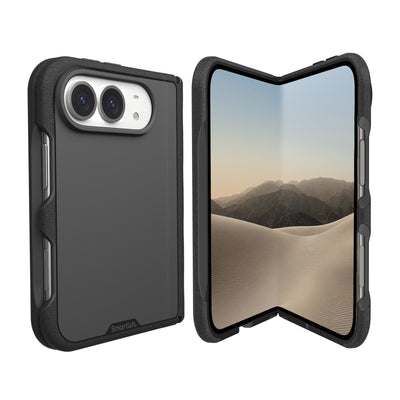
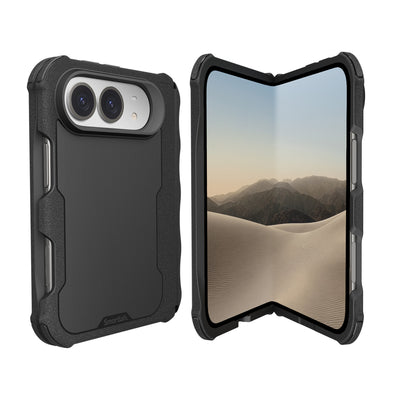
Smartish Gripzilla is the protective option, with a rigid backplate and textured sides. Gripmunk is the slim option. Both are drop tested and share the same drop test, so choosing between them is about feel and profile, not a different drop-test result. A slim case can work for daily use when it combines a secure hold with protective features.
MagSafe Cases: Protective Enough for Butterfingers?
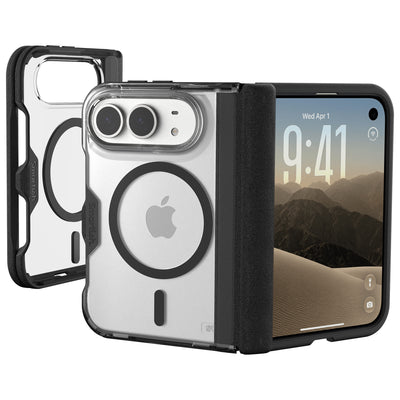
MagSafe compatibility and drop protection serve different purposes. MagSafe connects compatible accessories to a case; it does not add protection or make a case bulkier. Gripmunk and Gripzilla are both marketed as MagSafe compatible, and both pass the same drop test. Choose the profile and feel you prefer, then check that the case fits your exact phone model.
Top Picks for People Who Drop Their Phones
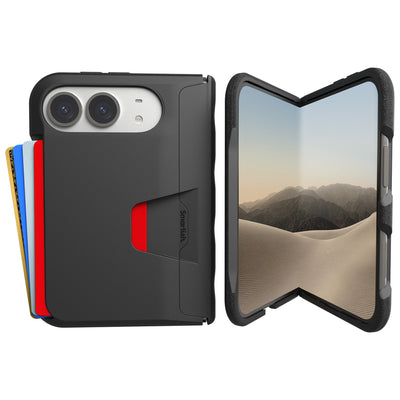
Choose Gripzilla if you prefer a more protective feel and rigid backplate. Choose Gripmunk for a slim case with textured sides and MagSafe compatibility. For card storage, Wallet Slayer Vol. 1 or Wallet Slayer Vol. 2 keeps cards with your phone. Both are thicker than the slim options, and only Vol. 2 has a kickstand. Neither Wallet Slayer model is marketed as MagSafe compatible.
Smartish Cases are customizable, so you can choose a design that suits your style alongside the function you need. Match your case to your carrying habits, desired feel, and exact device. A more useful starting point than buying the bulkiest option on the shelf.
The Grip-First Buying Checklist
Before choosing a case, check how it feels in your hand and whether its construction suits your routine. It should be comfortable to carry and add useful coverage around exposed areas. Smartish Cases are designed for everyday handling. Use this checklist to judge the details, not just thickness or marketing claims.
Five Features to Check Before You Buy
- Textured sides: Look for a grippy, not sticky, finish that feels secure without catching on clothing or pocket fabric.
- Air-pocket corners: Check that the corners have added cushioning, since a phone may land on an edge or corner.
- Raised edges: A raised screen edge helps keep the display off a flat surface. A raised camera ring lifts the lenses when the phone rests on its back.
- Precise cutouts: Openings should align with the phone’s ports and controls. On current Smartish cases, the camera control button is cut out; other buttons are covered.
- Drop testing: Check that testing information applies to the specific case you are considering. Testing is useful context, not a promise against every kind of damage.
Match the case to your exact phone model before ordering. Similar-looking devices can have different dimensions or button placement, so a case made for another model may not fit properly.
Materials That Survive Repeated Drops
Material names alone do not tell you how a case handles impact. Consider the whole construction: corners, perimeter, backplate, and how it stays on the phone. Scuffs and surface marks may appear after repeated falls even if the case remains attached. That wear does not automatically mean the phone is damaged, but cracks, loose corners, or a distorted fit deserve a closer look.
Pocket Feel, Weight and Everyday Carry
A case that feels awkward in your hand or crowds your pocket can become a daily annoyance. Try it with your usual grip and consider how it feels alongside keys, a wallet, or other items. More coverage may suit an active routine, while a slimmer profile may be easier to bring along. Choose one you can hold comfortably and keep on your phone, rather than leaving it on a desk because it feels too bulky.
Price vs. Protection: What’s Actually Worth Paying For
Spend for construction and features you will use: a secure fit, corner cushioning, raised edges, and a comfortable grip. A high price or thick shell alone does not show how well a case suits your needs. Smartish Cases pair protective details with everyday carry comfort, so weigh function and feel together.
When to Replace a Beaten-Up Case (and FAQs)

A scratched case may still fit and protect as designed, but structural damage can change how it sits on the phone. After a notable impact, remove the phone and inspect both in good light. Check that the case holds each corner firmly, its edges remain even, and the phone has no visible damage. Replace a case that no longer fits securely or has cracks that leave the device exposed.
Wear-and-Tear Inspection Checklist
- Check the corners: Look for splits, deep cracks, or sections that have pulled away from the phone.
- Check the edges and openings: Make sure the case has not warped or shifted around the screen, camera, buttons, or ports.
- Check the backplate: Look for cracks or changes in shape, especially after a direct impact.
- Check the phone itself: Inspect the screen and camera area for damage. A case cannot confirm that the phone is undamaged.
- Check the fit again: If the case slips off a corner or no longer sits evenly, stop relying on it for coverage.
Cosmetic scuffs do not always mean a case has failed. A crack, loose fit, or exposed section is a stronger reason to replace it. If the phone took a hard hit, inspect the device separately instead of assuming the case absorbed everything.
FAQ: Your Drop-Protection Questions, Answered
Are MagSafe cases protective enough for frequent drops? MagSafe describes accessory compatibility, not drop protection. Smartish Gripmunk and Gripzilla are both MagSafe compatible and pass the same drop test. Choose based on the profile and feel you prefer, then confirm the case fits your exact phone model.
Do bulky cases always protect better than slim cases? No. Thickness alone does not show how a case is built or how well it suits your routine. Check for secure coverage, corner cushioning, and a fit you can comfortably carry.
Which case materials hold up best after repeated drops? No material name can promise that a case will stay unmarked or prevent phone damage. Look at the full construction and inspect the fit and condition after impacts. Smartish Cases combine air-pocket corners with raised edges, though any case can show wear over time.
Frequently Asked Questions
What is the best phone case for someone who drops their phone?
A good case for butterfingers combines grippy sides, air-pocket corners, impact-absorbing edges, and raised borders around the screen and camera. Grip helps you hang on in the first place, while cushioning and raised edges help manage the landing. Slim options like Gripmunk and protective ones like Gripzilla both bring those everyday features.
How to protect a phone from drops?
Pair a case with grippy sides and air-pocket corners, plus a raised screen edge and raised camera ring, so glass stays off hard surfaces on impact. Add a screen protector for another layer on the display. No case prevents every kind of damage, since surface, angle, and landing point all matter.
What case features actually help if my phone takes a tumble?
Focus on grip, corner cushioning, and raised edges rather than maximum bulk. Air-pocket corners absorb impact where it tends to concentrate, impact-absorbing edges surround the phone's perimeter, and a raised screen edge and camera ring keep glass off flat surfaces. All Smartish cases include these details.
Is a slim case enough protection, or do I need a rugged one?
A slim case can be plenty if it has grip, corner cushioning, and raised edges, since those features do the real work. Gripmunk and Gripzilla both pass the same drop test, so the choice comes down to how much thickness you want in hand and pocket, not protection alone.
How to stop dropping a phone so much?
Start with grip, since many everyday slips happen before impact: a phone slides during a one-handed text or while juggling keys and bags. Textured sides and finger grooves give your fingers more to hold onto. A case that's grippy, not sticky, stays secure in hand without catching in your pocket.
What's the best wallet case for someone with busy hands?
The Wallet Slayer Vol. 1 and Vol. 2 combine card storage with textured, grippy sides, air-pocket corners, and a raised screen edge. Vol. 2 adds a kickstand for hands-free viewing. Both are thicker than a slim case, which is the honest trade-off for carrying fewer things.