



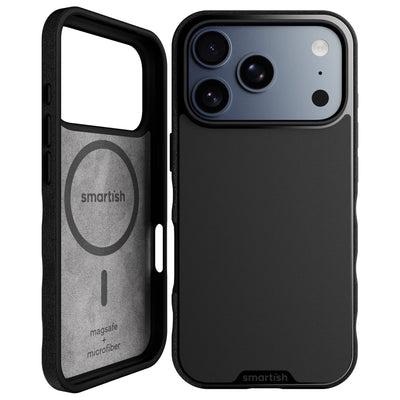
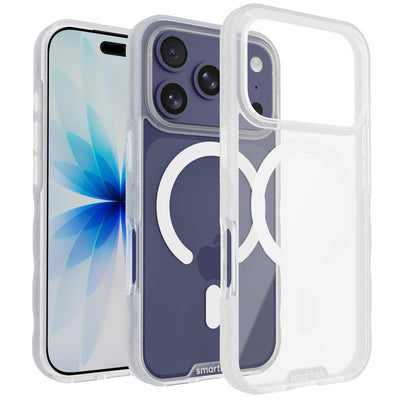
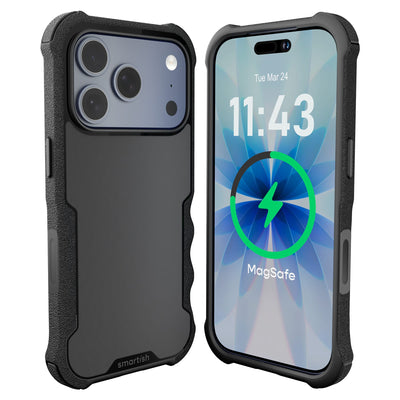
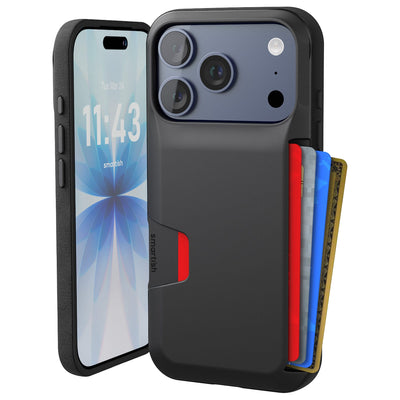
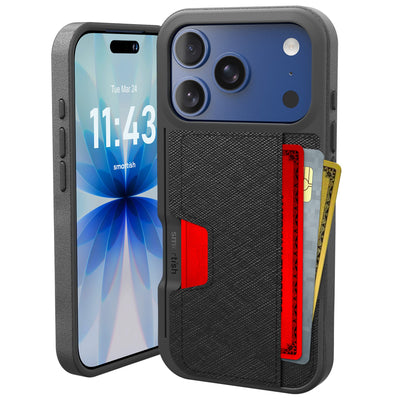
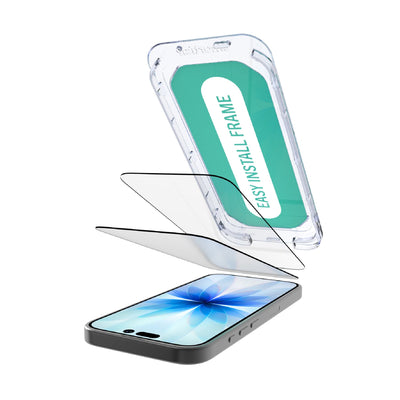

Your phone is practically glued to your hand, is it not? It serves as your camera, your map, your bank, your entertainment system, and sometimes, your actual phone. But between juggling it, your keys, and a wallet, things can get clunky. You have probably eyed those sleek accessories that promise to simplify your pockets. Specifically, the ones that stick right onto the back of your iPhone. We are talking about the magnetic wallet for iPhone. It sounds simple, maybe even a little magical, but does it actually work for your daily grind?
Matt is the founder and CEO of Smartish. A design nerd obsessed with solving unexpected needs. After years of being bogged down with a wallet and a phone at all times, Matt took matters into his own hands. He sat down and sketched a wallet-phone-case hybrid, handed over his design to a friend, which was drawn on a napkin, and remarked, “That’s smart.” The immediate response was, “-ish.” The first Smartish product, the Wallet Slayer, became a hit and solidified Matt’s desire to make products that solve real problems. That is why we dove headfirst into the field of magnetic phone accessories. Forget fumbling for your essentials or rocking a pocket bulge that could rival a small animal. We are here to break down what makes these gizmos tick, how they hold up, and whether they are just a fleeting trend or a genuine upgrade for how you carry your most important stuff.
Defining the Magnetic Wallet for iPhone
Simply put, a magnetic wallet for iPhone is an accessory designed to hold your cards and cash, which magnetically attaches to the back of your compatible iPhone. Think of it as a minimalist wallet that ditches the need for a separate pocket entirely. The magic behind this attachment relies on Apple’s MagSafe technology, a system of magnets built into the iPhone itself. These magnets create a precise alignment, allowing accessories to snap on securely and stay put.
This clever design means you can easily pop the wallet on and off. Need to go fully minimalist for a quick errand? Snap it on. Want to use your phone without the added bulk for a call? Detach it in a second. It is about giving you options and reducing the number of items you need to carry without sacrificing convenience. For anyone looking to consolidate their carry, this magnetic wallet for phone is a solid contender. If you are searching for a detachable magnetic phone wallet, this category offers the flexibility you seek.
The Magic Behind MagSafe Alignment
The MagSafe system, introduced with the iPhone 12 series, is the secret sauce. It features a ring of magnets around the wireless charging coil on the back of the phone, plus an alignment magnet. This array ensures that MagSafe accessories, like a magnetic wallet for iPhone, connect perfectly every time. This is not just about convenience; the precise alignment is key for optimal wireless charging performance, and it ensures the accessory is centered for maximum magnetic hold.
This technology means that iPhones from the 12 series all the way up to the latest iPhone 17 Pro Max models share this magnetic compatibility. If your iPhone has MagSafe, it is ready to accept these magnetic wallets. The strength of the magnets is engineered to be strong enough for daily use but not so strong that it is difficult to remove when you want to. It is a delicate balance that makes the whole system work without feeling like a wrestling match.
How Many Cards Can a Magnetic Wallet Actually Hold?
Here is where we get practical. While the idea of carrying your wallet on your phone is appealing, capacity is a key question. Most magnetic wallets are designed with slimness in mind, so they typically hold between 2 to 4 cards. This is usually enough for your essential plastic: a credit card, a debit card, your ID, and maybe a transit pass. Some might squeeze in a bit of folded cash, but do not expect to stuff them like a traditional bifold.
The exact number can vary based on the wallet’s design and material. For example, some silicone wallets might stretch a bit more than rigid ones. Industry surveys indicate that roughly 35% of smartphone users are interested in these kinds of accessories, with card capacity being a top consideration. For context, a quality magnetic wallet can often be found in the $20 to $90 range, depending on the materials and brand reputation, with most focusing on that sweet spot of 2-4 cards for optimal balance. You can find many options for a magnetic phone wallet on Amazon, but prioritize quality over the lowest price.
Most magnetic wallets are built for minimalism and typically hold 2 to 4 cards. This capacity is ideal for carrying essential cards like your ID, credit card, and debit card without adding significant bulk to your phone.
Will Your Magnetic Wallet Fall Off Your Phone?

This is the big one, is it not? The thought of your cards and cash taking a tumble is enough to make anyone hesitate. The good news is that modern magnetic wallets, especially those designed for MagSafe, are surprisingly secure. Premium options often use high-strength neodymium magnets, like the N52 grade, which can provide a pull force of 1 to 2 pounds. This is more than enough to keep your wallet attached during normal daily activities.
We have seen tests from reputable sources who have put numerous MagSafe wallets through their paces, often finding them to be quite reliable. The key is the MagSafe system's precise alignment and the quality of the magnets used. While extreme jolts or sudden, forceful tugs might dislodge it, for everyday use. Walking, commuting, even a light jog. It is designed to stay put. It is about trusting the tech to hold your essentials tightly.
Magnet Strength in Real-World Scenarios
Let us be clear: these are not weak refrigerator magnets. The neodymium magnets found in many quality magnetic wallets are seriously strong. They are designed to withstand the minor bumps and jostles of everyday life. Think about pulling your phone out of your pocket, setting it on a table, or even a casual bump against a doorframe. The magnetic connection is engineered to maintain its grip through these common interactions. You are not going to have it fly off just because you walk a bit briskly.
If you are concerned about the strongest magnetic wallet for iPhone, look for brands that specify the magnet grade and highlight rigorous testing. While no accessory is completely infallible, the technology behind MagSafe wallets has advanced significantly, making them a trustworthy option for many users who want to lighten their load and keep their most important cards close at hand, attached securely to their device.
Can You Wirelessly Charge With a Magnetic Wallet Attached?
This is where things get a little nuanced. If you are using a MagSafe-compatible magnetic wallet, then yes, you can typically wirelessly charge your iPhone with the wallet attached. The MagSafe system is designed with this in mind; the magnets align your phone with the wireless charger, and the wallet, being positioned over the charging coil area, usually does not interfere significantly with the charging signal. Some wallets might even have a small cutout or be designed thin enough to minimize any potential obstruction.
However, it is important to distinguish between MagSafe wallets and other types of phone wallets that simply stick to your phone. If a wallet is not specifically designed to work with MagSafe or is too bulky, it might block the wireless charging signal or cause the phone to overheat. Always check the product description. For instance, our Dancing Queen - Crossbody Wallet Case for iPhone 11 Pro Max, while a fantastic wallet solution, is not MagSafe compatible and therefore not designed for wireless charging with the wallet attached.
Pros
- Conveniently attaches to compatible iPhones via MagSafe.
- Allows for a minimalist carry, reducing pocket clutter.
- Easy to attach and detach for flexible use.
- Most MagSafe versions support wireless charging.
- Provides quick access to essential cards.
Cons
- Limited card and cash capacity compared to traditional wallets.
- May detach with extreme force or improper use.
- Not compatible with non-MagSafe iPhones or thick, non-MagSafe cases.
- Some designs might interfere with wireless charging if not properly made.
Wait, Can Android Users Get In On This Too?
So, you have seen the magic of a magnetic wallet for iPhone, with its satisfying snap and convenient card-carrying capability. But what if your daily driver is not rocking an Apple logo? You might think you are out of luck, stuck with the traditional pocket bulge. Well, good news! The concept of a magnetic wallet for phone is not strictly limited to iPhones anymore. With a little ingenuity, even Android users can get in on this streamlined carry game. It is all about adapting the technology to fit your device, ensuring everyone can ditch the overstuffed pockets. A magnetic wallet for android is now a reality for many.
The primary hurdle for Android users is the lack of built-in MagSafe technology. Apple's MagSafe system is a proprietary magnetic array designed specifically for their devices. But, the core principle. Strong magnets attracting accessories. Can be replicated. The solution involves adding a magnetic ring to your Android phone or its case. This ring essentially mimics Apple's MagSafe coil, providing a strong, consistent anchor point for magnetic accessories like wallets. It is a clever workaround that opens up a field of convenience to a much wider audience.
How to Make Any Phone MagSafe-Ready
Getting a magnetic wallet to work on your Android device is surprisingly straightforward, thanks to simple adhesive magnetic rings. These are specially designed metal plates with a strong adhesive backing. The process involves carefully placing this ring onto the back of your phone or, more commonly, onto your phone case. The placement is key; it needs to align with the charging coil area on your phone to ensure optimal magnetic attraction and, for some accessories, potential wireless charging compatibility, though this varies greatly by accessory.
When choosing a magnetic ring, look for one that specifies compatibility with MagSafe accessories. These rings are engineered with the right magnetic strength and placement to create a reliable connection. Once applied, your phone transforms into a compatible platform, ready to accept any magnetic wallet designed for MagSafe. This simple addition means you do not need to buy a whole new phone to enjoy the benefits of a magnetic wallet for phone.
- Clean the Surface: Ensure the back of your phone or case is clean and dry.
- Position the Ring: Carefully align the magnetic ring. For most Android phones, centering it over the wireless charging coil area is best. Some ring kits come with alignment guides to help.
- Apply Firmly: Peel off the adhesive backing and press the ring onto the surface. Hold it firmly for about 30 seconds to ensure a secure bond.
- Test the Connection: Once bonded, test it with your magnetic wallet. It should snap on with a satisfying click and hold securely.
This DIY approach makes a magnetic wallet for Android a very achievable goal. It is an accessible way to enjoy the benefits of reduced pocket clutter and quick access to your cards, turning almost any smartphone into a MagSafe-compatible device.
Pro Tip: For the strongest hold, apply the magnetic ring directly to a smooth, non-textured phone case rather than the phone itself. This also makes it easier to remove or replace later without damaging your device.
Finding the Perfect Magnetic Ring Placement
The success of using a magnetic wallet on an Android device hinges on correct magnetic ring placement. Unlike iPhones, which have a built-in MagSafe array, Android phones do not have a standardized magnetic system. The goal is to create a strong, stable magnetic attraction. For most modern Android phones, the wireless charging coil is located centrally on the back, usually a few inches below the camera bump. This is the ideal spot to place your adhesive magnetic ring.
When you attach a magnetic wallet, you want it to sit flat and securely without interfering with your phone's functionality. If the ring is placed too high, it might sit awkwardly near the camera. Too low, and it might not offer enough stability. Many magnetic ring kits come with alignment templates or guides that help you find the precise center over the charging coil. Taking a moment to ensure perfect alignment is essential for a reliable connection, preventing your wallet from shifting or falling off during daily use.
Consider the size and thickness of the magnetic wallet you plan to use as well. A larger wallet will require a more substantial magnetic pull. Ensure the ring you choose is strong enough and placed centrally. This careful positioning is what turns your Android phone into a functional platform for magnetic accessories, offering the same convenience you would find with a dedicated magnetic wallet for iPhone, bridging the gap between ecosystems.
Why Your Phone Case Decides If Your Wallet Stays On
You have your eye on a sleek magnetic wallet for iPhone, picturing a life free from bulky pockets. But hold up. Before you click "add to cart," there is a critical piece of the puzzle you cannot ignore: your phone case. The case is not just about aesthetics or basic drop protection anymore; it plays a direct role in how well your magnetic wallet, or any MagSafe accessory, actually sticks and performs. Not all cases are created equal regarding how they support these magnetic attachments.
The MagSafe system relies on its precise magnetic ring to connect with accessories. If your phone case is too thick, made of incompatible materials, or lacks the necessary design elements, it can interfere with this magnetic connection. It is like trying to stick a magnet to a thick layer of plastic. The force is significantly weakened. Understanding this relationship between your case and your wallet accessory is key to ensuring a secure, reliable carry.
Case Compatibility: What to Look For
| Feature | Ideal for Magnetic Wallets | Problematic for Magnetic Wallets |
|---|---|---|
| Thickness | Slim to medium thickness is best. Allows magnets to connect effectively. | Excessively thick cases (over 3mm) can significantly weaken the magnetic pull. |
| Material | Hard plastics (polycarbonate), TPU, and some genuine leathers. These materials do not impede magnetic fields. | Thick silicone, rubber, or cases with metal plating (unless specifically designed for MagSafe) can block or weaken the magnetic connection. |
| MagSafe Integration | Cases with built-in MagSafe rings ensure perfect alignment and maximum magnetic strength. | Non-MagSafe cases may not align properly, leading to weak attachment or no attachment at all. |
| Camera & Screen Protection | Raised bezels protect screens and cameras, but ensure they do not interfere with wallet placement. | Cases with very pronounced or oddly shaped bezels might limit where a wallet can sit. |
The Problem With Thick, Non-MagSafe Cases
Many popular phone cases, especially those designed for rugged protection, can be surprisingly thick. While they offer excellent defense against drops, this added bulk can be a major obstacle for magnetic wallets. The magnets in the wallet need to get close enough to the magnets in your iPhone (or the MagSafe ring you have added) to create a strong bond. A thick case acts as a buffer, reducing the effective magnetic pull. This can lead to a wallet that feels loose, shifts easily, or, in the worst-case scenario, detaches unexpectedly.
Furthermore, cases made from materials like heavy-duty silicone or rubber can sometimes interfere with magnetic fields more than rigid plastics. While some silicone cases are designed with MagSafe compatibility in mind, others might not be. If your case is not specifically advertised as MagSafe compatible, or if it is noticeably thick, it is likely to cause issues with a magnetic wallet. You might find yourself constantly re-attaching the wallet or, worse, losing it altogether. This is a common pain point for users who want the convenience of a magnetic wallet but are tied to their preferred protective case.
Grippy, Not Sticky: Pairing Your Wallet With Smartish Cases
At Smartish, we understand that protection and convenience go hand-in-hand, and your phone case is the first line of defense. That is why our cases are engineered to work smoothly with accessories like magnetic wallets, ensuring your essentials stay put. Take our Gripmunk and Gripzilla cases, for example. They feature precisely engineered air-pocket corners for superior drop protection and raised screen edges and camera rings to keep your valuable tech safe from surfaces. Critically, they are designed with MagSafe compatibility in mind, meaning they have the integrated magnetic array for a perfect, strong snap every time.
This careful design means you can confidently attach a magnetic wallet for iPhone without worrying about it slipping off. The case provides the ideal foundation, ensuring the magnets align correctly and provide maximum holding power. It is about creating an ecosystem where your case and accessories work together, not against each other. While some users prefer the built-in storage of a dedicated wallet case, like the functionality offered by our Dancing Queen - Crossbody Wallet Case for iPhone 11 Pro Max (which secures 5 cards plus cash internally but is not MagSafe compatible), MagSafe wallets offer a different kind of flexibility that pairs perfectly with our MagSafe-ready cases.
Smartish Cases: Built for the Real World Our cases, like Gripmunk and Gripzilla, are not just about looks. They feature enhanced grip, protective corners, and are designed to play nice with MagSafe accessories, ensuring your phone and wallet stay together through all of life's tumbles and fumbles.
How to Choose the Best Magnetic Wallet for Your Pocket

Alright, you are sold on the idea of a magnetic wallet for iPhone, ditching the bulky traditional leather billfold for something sleek and attached. But with so many options out there, how do you pick one that is actually smart and not just… there? It is not just about the magnets; it is about the materials, the security features, and whether it fits your lifestyle. We are here to cut through the fluff and help you find the right fit, focusing on practical design and honest value, so you can carry your essentials with confidence and a little bit of flair.
Think about what you need most. Are you a minimalist who only carries an ID and a credit card? Or do you need space for a few more cards and maybe a bit of emergency cash? The best magnetic wallet for your needs will strike that perfect balance between form and function, ensuring it is not just a cool gadget but a genuinely useful tool for everyday life. Let us break down the key considerations to make sure your choice is a winner.
Material Face-Off: Leather vs. Silicone
| Feature | Leather Wallets | Silicone Wallets |
|---|---|---|
| Aesthetics & Feel | Classic, premium look and feel. Develops a patina over time. Often feels more refined. | Modern, casual, and often more colorful. Can feel slightly rubbery. Less prone to scratches. |
| Durability | Can be durable but susceptible to water damage, scratches, and wear over time if not cared for. | Generally very durable, resistant to water, and can withstand drops and daily wear and tear well. Less prone to tearing. |
| Card Grip | Can offer good grip, though cards might slide out if the wallet is inverted and not full. | Often provides excellent grip for cards, preventing them from easily slipping out, especially with textured interiors. |
| Cleaning | Requires specific leather cleaners; can be stained. | Easy to wipe clean with soap and water; generally stain-resistant. |
| Flexibility | Can be rigid or slightly flexible depending on construction. | Typically quite flexible, conforming to the shape of cards. |
| Price Range | Often mid-range to premium ($30-$90+). | Generally more accessible, often in the $15-$50 range. |
Do You Actually Need RFID Blocking?
RFID (Radio-Frequency Identification) blocking is a feature that some wallets tout, promising to protect your cards from being scanned wirelessly by thieves. These wallets contain a layer designed to block radio waves, preventing unauthorized access to the data on your credit cards or IDs. While the concept sounds like a necessary security upgrade, the real-world necessity for a typical user is debatable, especially for a slim magnetic wallet.
Most modern credit cards and IDs do not transmit data unless they are specifically tapped or swiped, and the range for unauthorized scanning is quite limited. For a magnetic wallet that holds only a few essential cards, the risk is generally quite low compared to carrying a full traditional wallet. Many quality magnetic wallets, like those focusing on practical design, might omit RFID blocking to maintain a slimmer profile and lower price point. If your primary concern is convenience and reducing pocket bulk, and you are not carrying highly sensitive or infrequently accessed cards, you might not need this feature. But, if peace of mind is paramount, look for wallets that explicitly state they include RFID blocking technology, understanding it might add a tiny bit of thickness or cost.
Consider Your Daily Carry Needs
When choosing, think about how many cards you actually use daily. A wallet designed for 2-3 cards is perfect for many, while others might need space for 4. Material preference. Classic leather versus modern silicone. Also plays a big role in feel and durability. Do not overspend on features you will not use; focus on what makes your everyday life simpler.