



Key Takeaways
- The best iPhone cases offer real-world protection through features like air-pocket corners, raised edges, and precise model compatibility.
- Independent drop testing at 6 feet onto concrete is the industry standard for ensuring consistent and reliable protection.
- TPU materials combined with polycarbonate backs provide an optimal balance of shock absorption, durability, and grip.
- Using the correct case for your specific iPhone model is crucial due to differences in camera placement, button layout, and edge design.
- Choosing a case style depends on your lifestyle, with options ranging from slim daily carriers to rugged cases for active users and wallet-integrated designs.
Table of Contents
- The Best iPhone Cases for 2025: Drop-Tested Protection That Actually Works
- Why Even the Toughest iPhones Still Need Cases
- What Makes iPhone Cases Actually Protective
- iPhone Case Types: Which Style Fits Your Life
- Why iPhone Cases Still Matter in 2025
- Essential Features That Define Quality Cases
- iPhone Case Types: Finding Your Perfect Match
- The Smartish Lineup: Finding Your Perfect Match
- Getting the Most from Your Case
- Looking Ahead: iPhone Evolution and Case Compatibility
The Best iPhone Cases for 2025: Drop-Tested Protection That Actually Works
Finding the best iPhone cases isn't about flashy marketing claims, it's about real-world protection that keeps up with your life. Whether you're upgrading to the iPhone 16 or preparing for the iPhone 17, your case needs to handle daily drops, protect that expensive camera system, and maybe even replace your wallet.
Modern iPhones are tougher than ever, but physics hasn't changed. A 6-foot drop onto concrete still wins against even the most premium titanium frame. The difference between a cracked screen and walking away unscathed often comes down to three things: air-pocket corners that absorb impact, raised edges that keep your screen off surfaces, and materials that grip your hand instead of slipping through it. For more on the latest models, check out this iPhone 17 guide.
Here's what separates genuinely protective cases from pretty plastic: independent drop testing, precise engineering for your specific iPhone model, and features that solve real problems instead of creating new ones. If you're looking for the most up-to-date recommendations, see our picks for the best iPhone 17 cases.
Why Even the Toughest iPhones Still Need Cases

Apple's latest iPhones feature Ceramic Shield screens and titanium frames, but these improvements address specific weaknesses, not all damage scenarios. The iPhone 17's camera plateau, while protecting lenses from direct impact, actually creates new scratch vulnerabilities when placed face-down on rough surfaces.
Most phone damage happens during routine activities, pulling your device from a pocket, setting it on a table, or that split-second fumble getting out of a car. These everyday moments generate the 3-5 foot drops that account for most cracked screens. A properly designed case with air-pocket corners and raised edges transforms these potential disasters into minor inconveniences.
Model compatibility matters more than ever. The iPhone 16 and 17 aren't interchangeable when it comes to cases, subtle changes in camera positioning, button placement, and edge curves mean a perfect fit requires the right case for your exact model. Using an iPhone 16 case on a 17 (or vice versa) compromises both protection and functionality.
What Makes iPhone Cases Actually Protective
Drop Test Reality: 6 Feet Is the Sweet Spot
Legitimate drop testing focuses on 6-foot drops onto concrete, the height of most fumbles and the surface that causes the most damage. Cases tested to this standard, like Smartish's entire lineup, undergo 50 repeated drops to ensure consistent protection. Higher drop claims often lack independent verification and address scenarios you'll rarely encounter.
Air-pocket corners act like miniature shock absorbers, compressing on impact to dissipate energy that would otherwise transfer to your phone's frame and screen. This engineering detail separates truly protective cases from rigid shells that simply distribute force across a larger area.
Materials That Matter: TPU vs Everything Else
TPU (thermoplastic polyurethane) offers the best balance of flexibility and durability for everyday protection. It grips your hand without feeling sticky, resists yellowing when properly formulated, and provides the shock absorption needed for real-world drops. Polycarbonate backs add structure without bulk, creating hybrid designs that outperform single-material alternatives.
Silicone feels grippy but attracts lint and stretches over time. Leather ages beautifully but offers minimal drop protection. Clear cases only stay clear if they're specifically formulated as anti-yellowing, regular TPU yellows within months of UV exposure.
Raised Edges: Your Screen's Best Friend
A minimum 1mm raised edge around your screen keeps it off surfaces when placed face-down. The raised camera ring serves the same function for your lens system, crucial for the iPhone 17's prominent camera plateau. Cases that skimp on edge height leave your most expensive components vulnerable to scratches and cracks.
Button coverage should feel clicky, not mushy. Embossed buttons provide better tactile feedback than thin membrane covers, especially for the iPhone 16's new Camera Control button that requires precise pressure for zoom and focus adjustments.
iPhone Case Types: Which Style Fits Your Life
| Case Type | Protection Level | Key Features | Best For | Trade-offs |
|---|---|---|---|---|
| Slim (Gripmunk) | High | MagSafe, grippy sides, 6-ft tested | Daily carry, wireless charging | Less bulk than rugged options |
| Rugged (Gripzilla) | Maximum | Thick corners, rigid back, MagSafe | Active lifestyles, frequent drops | Slightly thicker profile |
| Wallet (Wallet Slayer Vol. 1/2) | High | 3 cards + cash, kickstand (Vol. 2) | Minimalist carry, card access | No MagSafe, cable charging only |
| Clear | Moderate | Anti-yellowing TPU, raised edges | Showcasing phone design | Eventually yellows over time |
| Leather | Light | Premium feel, natural aging | Style-conscious users | Minimal drop protection |
Finding the best iPhone cases means balancing protection, style, and functionality without overpaying for marketing hype. With iPhone 16 and 17 models introducing new camera plateaus and button layouts, your case choice matters more than ever. The right case shrugs off 6-foot drops, keeps your screen scratch-free, and actually makes your phone easier to use, not harder.
After testing dozens of cases across every category, we've found that the best performers share three key traits: drop-tested protection with air-pocket corners, raised edges for screen and camera safety, and precise cutouts that don't interfere with daily use. Whether you need slim MagSafe compatibility or all-in-one wallet functionality, the right case transforms your phone from fragile investment to reliable tool. For those seeking wallet-style options, see our picks for the best iPhone 17 wallet cases.
Why iPhone Cases Still Matter in 2025

iPhones are tougher than ever, but life hasn't gotten gentler. Even with Ceramic Shield and titanium frames, your phone still loses against concrete, car keys, and gravity. The iPhone 17's new camera plateau is particularly scratch-prone when placed face-down, making protection essential rather than optional.
Model compatibility has become critical. iPhone 16 and 17 cases aren't interchangeable due to subtle camera positioning and the new Camera Control button placement. A case designed for the wrong model means misaligned cutouts, poor button access, and compromised protection. Most phone damage happens from everyday 3-5 foot drops, exactly what a properly tested case prevents.
The key is matching protection level to lifestyle. Commuters need drop protection and maybe wallet functionality. Parents require grippy, washable cases that survive playground chaos. Outdoor enthusiasts benefit from rugged designs with military-style testing. Even desk workers need basic protection against the inevitable coffee shop mishap.
Essential Features That Define Quality Cases
Drop Protection That Actually Works
Real protection starts with independent drop testing from 6 feet onto concrete, the gold standard for everyday drops. Air-pocket corners act like miniature shock absorbers, distributing impact force away from your phone's vulnerable edges. Raised screen edges (at least 1mm) and camera rings prevent direct contact with surfaces when placed face-down.
Material composition matters more than thickness. Hybrid designs combining flexible TPU with rigid polycarbonate outperform single-material cases by absorbing shock while maintaining structural integrity. Avoid cases promising "military-grade" protection without specific test results, it's marketing fluff without standardized meaning.
Material Quality Breakdown
TPU (thermoplastic polyurethane) offers the best balance of flexibility, grip, and impact absorption. Quality TPU resists yellowing when labeled "anti-yellowing" and provides excellent tactile feedback. Polycarbonate adds rigidity and scratch resistance but lacks impact absorption when used alone.
Leather cases age beautifully and feel premium but offer less drop protection, choose these for style over security. Silicone provides maximum grip but attracts lint and can stretch over time. Recycled materials from ocean-bound plastic offer environmental benefits without sacrificing protection when properly engineered.
Modern iPhone Feature Compatibility
MagSafe compatibility requires precisely aligned magnetic rings for full accessory functionality. Only certified MagSafe cases guarantee strong attachment with chargers, wallets, and car mounts. The iPhone 16/17's Camera Control button demands exact cutout alignment for smooth zoom, focus, and shutter operation.
Wireless charging works best with MagSafe-certified cases under 3mm thick. Thicker cases or those with metal components can block charging entirely. Button responsiveness depends on case design, embossed buttons provide better tactile feedback than flat covers, while precise cutouts ensure ports remain fully accessible.
iPhone Case Types: Finding Your Perfect Match
| Case Type | Protection Level | Key Features | Best For | Trade-offs |
|---|---|---|---|---|
| Slim (Gripmunk) | Moderate | TPU construction, MagSafe, grippy sides | Daily use, pocket-friendly | Less impact protection |
| Rugged (Gripzilla) | Maximum | Thick corners, rigid back, MagSafe | Active lifestyles, frequent drops | Slightly thicker profile |
| Wallet (Wallet Slayer Vol. 1/2) | High | 3 cards + cash, kickstand (Vol. 2) | Minimalist carry, card access | No MagSafe, cable charging only |
| Clear | Moderate | Anti-yellowing TPU, raised edges | Showcasing phone design | Eventually yellows over time |
| Leather | Light | Premium feel, natural aging | Style-conscious users | Minimal drop protection |
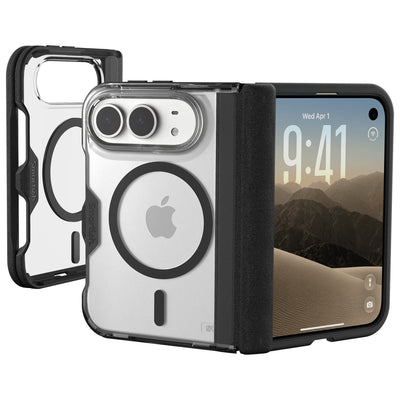
Slim cases like Gripmunk prioritize everyday usability with moderate protection, perfect for users who rarely drop their phones but want scratch prevention and MagSafe compatibility. The TPU construction provides grippy sides while maintaining a smooth back that slides effortlessly in and out of pockets. The precise Camera Control button cutout ensures seamless access to iPhone 16 and 17's new photography features, while the anti-yellowing formula keeps clear versions crystal clear longer than standard TPU cases.
For a broader look at top picks, see our in-depth review of the best case iPhone options.
The Smartish Lineup: Finding Your Perfect Match

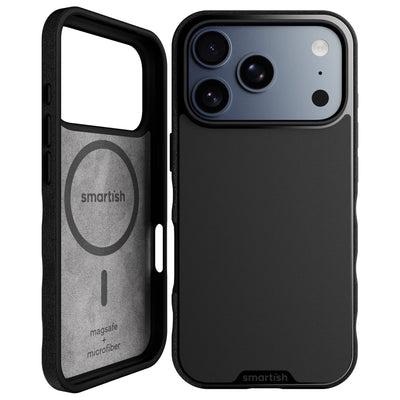
When it comes to the best iPhone cases, Smartish has refined their lineup to three core options that cover every use case without overwhelming choice. Each case passes the same rigorous 6-foot drop test, but delivers protection in distinctly different ways.
gripmunk-slim-protection">Gripmunk - The Everyday Champion
Best for: Daily protection with MagSafe compatibility
Why Gripmunk stands out: It's the only slim case that doesn't compromise on drop protection. Most thin cases sacrifice safety for aesthetics, Gripmunk delivers both through smart material engineering and air-pocket corner design.
Gripzilla - The Heavy-Duty Hero
Best for: Active lifestyles and frequent outdoor use
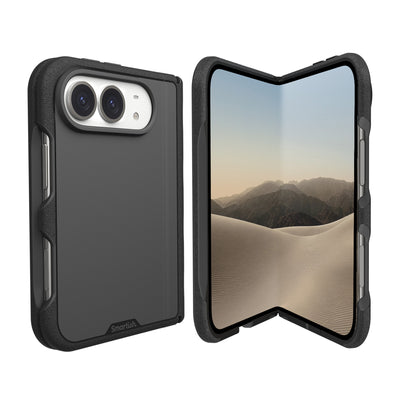
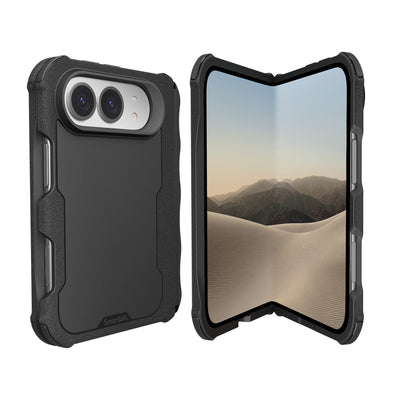
Gripzilla takes protection seriously without the bulk penalty. The rigid polycarbonate backplate distributes impact force across the entire case, while the flexible TPU bumper absorbs shock at critical stress points. Despite its protective credentials, Gripzilla maintains full MagSafe compatibility and fits comfortably in most pockets.
The textured grip pattern runs along the entire perimeter, providing secure hold even with wet or gloved hands. Air-pocket corners compress on impact, creating a cushioning effect that standard hard cases simply can't match.
Wallet Slayer Vol. 1 & 2 - The Minimalist's Dream
Best for: Streamlining your everyday carry
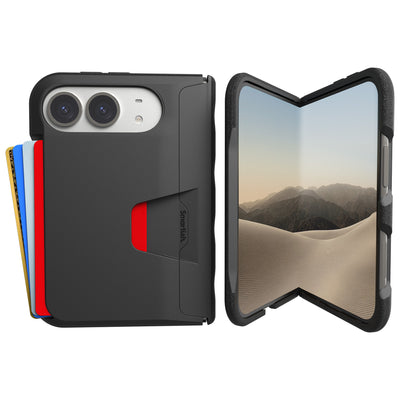
The Wallet Slayer series eliminates the need for a separate wallet by integrating card and cash storage directly into the case design. Vol. 1 focuses purely on storage efficiency, while Vol. 2 adds a kickstand function using one of your stored cards as the support mechanism.
Both versions accommodate three cards plus folded cash in a thumb-accessible slot that doesn't require fumbling with flaps or magnetic closures. The trade-off for this functionality is wireless charging compatibility, these cases work exclusively with wired charging to maintain their slim profile and structural integrity.
| Feature | Gripmunk | Gripzilla | Wallet Slayer |
|---|---|---|---|
| Drop Protection | 6-ft tested | 6-ft tested | 6-ft tested |
| MagSafe Compatible | Yes | Yes | No |
| Profile | Slim | Protective | Functional |
| Card Storage | None | None | 3 cards + cash |
| Kickstand | No | No | Vol. 2 only |
| Customizable | Yes | Yes | Yes |
For those who want to see how these compare to other MagSafe options, browse our full MagSafe cases collection.
Getting the Most from Your Case
Proper installation and maintenance extend your case's lifespan and ensure optimal protection. Most case failures stem from improper fitting or accumulated debris rather than material defects.
Installation Best Practices
Start by cleaning your iPhone thoroughly, any dust or debris trapped between the case and phone can cause scratches over time. For snap-on cases like Gripmunk and Gripzilla, begin at one corner and work around the perimeter, ensuring even pressure distribution.
Test all buttons immediately after installation. Properly fitted cases should maintain the original button feel, if buttons feel mushy or unresponsive, remove and reinstall the case. The Camera Control button on iPhone 16 and 17 models requires particular attention to alignment.
Extending Case Life
Monthly cleaning prevents buildup that can compromise fit and function. Use a damp microfiber cloth with mild soap for TPU cases, avoiding alcohol-based cleaners that can degrade the material over time.
Inspect air-pocket corners regularly, these critical protection zones show wear first. Small cracks or permanent compression indicate it's time for replacement, typically after 12-18 months of daily use.
Looking Ahead: iPhone Evolution and Case Compatibility
Apple's design trajectory suggests continued emphasis on camera system advancement and wireless technology integration. The iPhone 17's rumored camera plateau redesign represents the most significant form factor change in recent years, making case compatibility more crucial than ever.
Preparing for What's Next
MagSafe technology continues evolving beyond simple charging and mounting. Future accessories will likely demand stronger magnetic connections and more precise alignment, making MagSafe-certified cases increasingly valuable investments. For a closer look at screen protection, see our guide to the best iPhone 17 screen protector.
Frequently Asked Questions
Why is independent drop testing from 6 feet onto concrete considered the industry standard for iPhone case protection?
A 6-foot drop onto concrete simulates real-life accidents like drops from pocket or hand height onto hard surfaces. Independent testing ensures unbiased, consistent results, proving a case can reliably protect your phone in everyday scenarios.
How do materials like TPU and polycarbonate work together to enhance the durability and shock absorption of iPhone cases?
TPU offers flexible shock absorption and a grippy feel, while polycarbonate provides a rigid, durable shell. Together, they balance impact resistance and toughness, keeping your phone safe without adding unnecessary bulk.
Why is it important to use an iPhone case specifically designed for your exact iPhone model?
Each iPhone model has unique camera placement, button layout, and edge design. A case tailored to your model ensures precise fit, proper protection, and easy access to ports and controls.
What features should I look for in an iPhone case to ensure it provides real-world protection without compromising usability?
Look for air-pocket corners to absorb drops, raised edges to protect the screen and camera, precise cutouts for buttons and ports, and materials that offer a secure grip. These features protect your phone while keeping daily use hassle-free.