




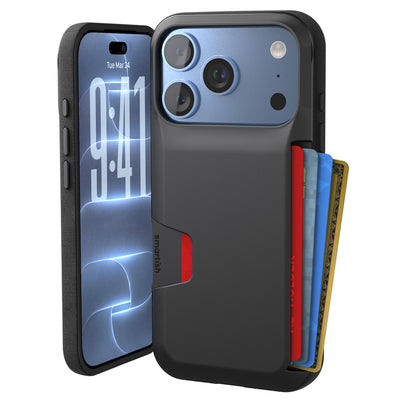
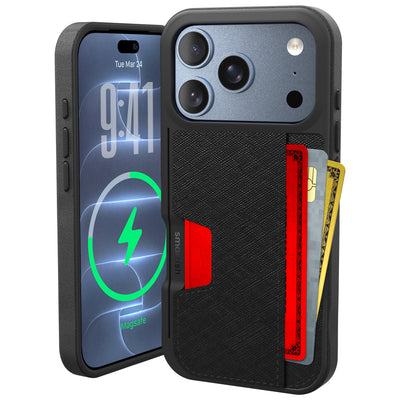
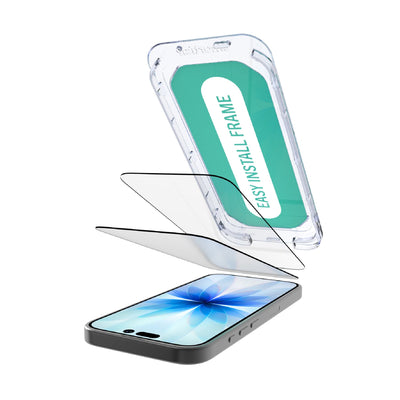

iPhone 18 Pro Max grip case
A 6.9-inch phone needs a better hold. The right iPhone 18 Pro Max grip case should give your fingers dependable contact, protect the corners and camera area, and still slide into a pocket without dragging the lining along.
Key Takeaways
- A grip case needs textured sides that give your fingers something to hold without adding bulk that catches on pocket fabric.
- I look for corner reinforcement and raised camera protection because a 6.9-inch phone lands hard on its edges when it slips.
- The best cases use materials that feel tacky but slide smoothly in and out of jeans, so you don't trade one frustration for another.
- A well-designed grip case lets you hold the phone confidently with one hand while keeping the profile slim enough to pocket easily.
Texture, hand shape, button access, impact control, and pocket behavior all matter. Here’s how to tell useful grip from a case that turns your phone into a lint-covered tug toy.
Why Your Giant iPhone 18 Pro Max Needs a Grip Case (And Not Just Any Grip)
The Ergonomic Nightmare: Why the Pro Max Is a Handful
A large phone spreads its weight across more of your hand, making one-handed typing, walking, and photo-taking less forgiving. Research found that more than 75% of smartphone drops begin with one-handed slips while people walk or take pictures. A display measuring 6.7 inches or more also tends to produce greater impact force because total phone mass can exceed 220 grams.
Bare titanium and smooth matte finishes can feel fine until your hand is dry, your grip is awkward, or a notification arrives mid-photo. Your fingertips need a surface that gives them a clear stopping point.
Beyond Basic Protection: What a “Grip Case” Actually Does
A protective shell creates a barrier between your phone and the floor. A grip case also manages contact before the drop. Textured sidewalls increase friction against your fingers, while shaped edges help your thumb and fingertips settle into a repeatable hold. That can reduce the squeeze required during scrolling, commuting, or reaching across the screen.
Good grip should feel controlled, not sticky. You should be able to shift your hand, answer a call, or pull the phone from a bag without fighting the case. Raised bezels add screen and camera clearance, while corner cushioning handles sharp landings.
The “Pocket Snag” Problem: When Grip Goes Too Far
A case can cling to your palm and behave badly around denim. Soft silicone with a high-tack finish may catch pocket fabric, pull at the lining, and collect lint. A thick bumper adds protection but also pocket friction and bulk.
The useful target is selective traction: sides that help your skin hold on, with a back and outer surface smooth enough for a clean pocket exit.
Smartish’s Angle: Tactile Control Meets Pocket-Friendly Design
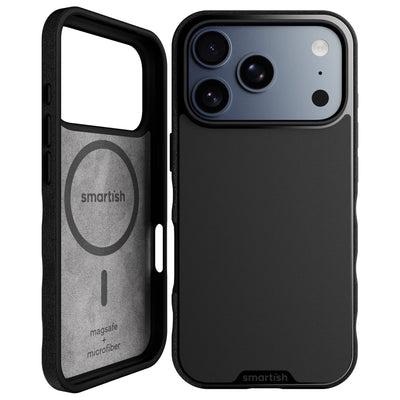
Smartish asks where your hand needs friction and where your pocket needs less of it. The Gripmunk with MagSafe® - Slim Case for iPhone 16 Pro uses textured sides for hand control and a smooth back for easier pocket movement. It is designed for iPhone 16 Pro, so shoppers should match the case to the exact phone model rather than assume similar names mean a shared fit.
The Anatomy of a Great Grip Case: Features That Matter Most
Tactile Textures: Beyond Smooth Surfaces
Texture gives skin more contact points than a flat finish. Look for a fine, consistent pattern that feels secure without scraping fingers or catching fabric. Deep ridges can feel aggressive during long scrolling sessions, while a barely textured coating may disappear when hands are damp. The right finish provides noticeable, predictable feedback.
Finger Grooves and Ergonomic Shaping: For a Natural Hold
Small contour changes can make a large phone easier to manage. Rounded sidewalls support fingertips, reduce pressure hotspots, and give the thumb room to move across the display. The shape should leave the lower edge usable for swipes and keep side controls easy to locate by touch.
Material Science: Grippy, Not Sticky, and Lint-Free
Grip comes from friction, not glue. A well-chosen material can feel secure against skin while releasing cleanly from clothing. Check the side finish, back panel, seams, and exposed rim together. Uneven transitions create snag points where dust, pocket lint, and crumbs settle. A soft interior lining helps prevent scratches and dings.
Camera Control Button Access: Precision Without the Hassle
Camera controls need more than a hole cut into the side. The opening should align with the button, leave room for a fingertip, and keep the surrounding edge clear for a swipe or press. The Gripmunk with MagSafe® - Slim Case for iPhone 16 Pro provides complete access to iPhone 16’s Camera Control button with precise cutouts and reinforced edges.
Edge and Corner Protection: Air Pockets vs. Bulky Bumpers
Corner protection does not need to turn a phone into a padded tank. Air-pocket corners act like small airbags, spreading impact away from the frame while keeping the profile practical. Raised edges should sit above the screen and camera lenses on a table. Check clearance around the camera plateau, since the large module is exposed to scratches and scuffs.
What to Check Before Buying
Pros
- Textured sides support one-handed control.
- Shaped edges reduce fingertip strain.
- Air-pocket corners cushion common drop angles.
- Raised lips protect the screen and camera area.
Cons
- Deep, tacky textures can catch pocket fabric.
- Thick bumpers may feel awkward on a large phone.
- Misaligned button openings can spoil camera control.
- Not every case supports every phone generation.
MagSafe & Your Grip Case: Does Tactile Control Affect Connectivity?
How Grip Textures Interact with MagSafe Magnets
Grip texture and MagSafe magnets do different jobs. Textured sidewalls give your fingers friction, while the magnetic ring sits on the back and aligns with compatible accessories. Grip belongs where your hand makes contact; magnetic hardware needs a clear, properly aligned path through the back panel.
Charging Speed and Magnetic Hold: What to Expect
A case can support MagSafe attachment and high-speed wireless charging when it includes compatible magnets and does not add unnecessary material between the phone and charger. The Gripmunk with MagSafe® - Slim Case for iPhone 16 Pro features built-in strong magnets compatible with MagSafe, allowing secure attachment to MagSafe accessories and high-speed wireless charging. Performance can vary by charger, alignment, heat, and accessory, so a magnetic connection does not mean every setup behaves identically overnight.
Car Mounts and Accessories: Staying Connected on the Go
Magnetic car mounts, wallets, stands, and charging pads depend on reliable alignment. A weak or poorly positioned magnet may let a larger phone rotate, slide, or detach over a bump. Check that the case supports the MagSafe accessory standard and that the back stays flat for full contact. Your fingers need grip; the mount needs a clean magnetic landing zone.
The “No Compromise” MagSafe Grip Case
The practical target is tactile control without sacrificing your usual accessories. Gripmunk with MagSafe® - Slim Case for iPhone 16 Pro pairs textured sides with a smooth back, making it easier to hold while remaining ready for MagSafe gear. This product is designed specifically for iPhone 16 Pro, not a larger or newer phone simply because the names look related.
Pocket-Friendly Phrasing: Avoiding the Lint Trap and the Snag
The Silicone Case Conundrum: Why Some Grip Cases Are Pocket Nightmares
Silicone can feel secure against dry skin, yet a high-tack finish may cling to denim, fleece, and pocket lining. Pull the phone out quickly and the fabric can turn inside out with it. The soft surface can also collect lint, dust, hair, and crumbs. On a large phone, extra drag makes removal awkward and may encourage a two-handed yank.
Grip and adhesion are different. A surface that grabs fabric aggressively is not automatically better at preventing drops. A useful case gives fingertips traction while letting clothing release without a tug-of-war.
Smartish’s Micro-Texture Approach: Grip for Skin, Smooth for Pockets
The Smartish approach puts tactile texture on the sides, where fingers wrap around the phone, and keeps the back smooth for pocket movement. That layout supports a steadier one-handed hold without coating the case in sticky rubber. With a 6.9-inch phone, sidewall texture provides repeatable contact during scrolling, photos, and quick replies, while a smoother rear panel helps the device enter and leave pockets and bags.
Material Selection: The Difference Between “Grippy” and “Sticky”
| Surface behavior | Hand feel | Pocket behavior | What to look for |
|---|---|---|---|
| Micro-textured sidewall | Controlled friction and clear fingertip feedback | Limited contact with fabric | Fine texture with clean edges |
| High-tack silicone | Soft, clingy hold | May pull lining and collect lint | Release from clothing without stretching it |
| Smooth matte shell | Comfortable but less tactile | Usually easy to slide | Enough side friction for dry-hand use |
How Case Design Prevents Pocket Lint Buildup
Lint control starts with the outer finish and continues through seams, corners, and openings. A smooth back gives loose fibers fewer places to catch. Cleanly joined edges reduce channels where dust gathers, while practical side texture avoids deep grooves. The Gripmunk with MagSafe® - Slim Case for iPhone 16 Pro uses textured sides and a smooth back for a secure hold without carrying a pocket full of fuzz.
Choosing Your Perfect iPhone 18 Pro Max Grip Case: A Smartish Buyer’s Guide
The best iPhone 18 Pro Max grip case should help your hand hold a large phone, protect the screen and camera area, fit daily accessories, and slide into a pocket without dragging out the lining. Start with how you use your phone, then check the construction details.
What’s Your Grip Style? Slim vs. Protective
If you text, take photos, commute, and move between pockets, prioritize a slim profile, textured sidewalls, and easy button access. If your phone regularly meets concrete, tile, or the floor, focus on corner cushioning, raised bezels, and camera clearance. Air-pocket corners can manage impact without a bulky outer shell.
Beyond Grip: Extra Features to Consider
Check whether the front lip sits above the display face down and whether the camera rim keeps lenses away from tables. Button openings should align cleanly, especially around the Camera Control button. A soft microfiber interior helps guard against scratches and dings during everyday use.
Price vs. Performance: Getting Smart Protection Without the Sticker Shock
Price should reflect useful construction, not a dramatic promise on the box. The Gripmunk with MagSafe® - Slim Case for iPhone 16 Pro retails from $19.99 to $24.99 and includes textured sides, a smooth back, protective air-pocket corners, raised screen and camera edges, a microfiber lining, and built-in MagSafe-compatible magnets. It has also been drop-tested 50 times from 6 feet with successful protection results.
The “Ish Test”: Does It Make Life Easier?
Ask whether you can reach the side controls without shifting your whole hand, release the case from denim without a tug, attach a magnetic wallet or car mount where expected, and set the phone on a table without scraping the camera rings. If you need a tutorial to pull it from your pocket, the case may be trying too hard.
- Confirm the exact iPhone model before ordering.
- Look for tactile side texture and a pocket-friendly back.
- Check screen, camera, and button clearance.
- Verify built-in MagSafe compatibility for your accessories.
- Choose corner protection suited to your daily drop risk.
Smartish Grip Case Spotlight: Gripmunk vs. Gripzilla
For shoppers seeking a slim, tactile option with MagSafe support, Gripmunk with MagSafe® - Slim Case for iPhone 16 Pro is the featured fit in this guide. It is designed specifically for iPhone 16 Pro, with precise Camera Control access and a smooth back for pocket use. Gripzilla suits people who prefer a more protective Smartish direction, but confirm its exact model fit and current specifications before ordering. For any iPhone 18 Pro Max grip case search, match the model first, then choose the protection level your life demands.
Frequently Asked Questions
What is the best grippy iPhone case?
The best grippy iPhone case combines textured sidewalls, comfortable shaping, raised edges, and corner cushioning without a tacky pocket feel. An iPhone 18 Pro Max grip case should support one-handed control while keeping the back smooth enough for easy pocket removal, and shoppers should confirm the exact phone model before ordering.
Will the iPhone 18 Pro Max be different?
The iPhone 18 Pro Max may differ in size, buttons, camera layout, or accessory placement, but confirmed specifications are needed before choosing a case. An iPhone 18 Pro Max grip case should be selected only after its dimensions and control locations are verified, since a similar phone name does not guarantee a matching fit.
Will a 17 Pro Max case fit an 18 Pro Max?
An iPhone 17 Pro Max case should not be assumed to fit an iPhone 18 Pro Max. Small changes to the frame, camera area, buttons, or Camera Control opening can affect fit, so choose an iPhone 18 Pro Max grip case listed for that exact model.
Which phone case material has the best grip?
The best phone case material is the one that provides consistent friction without feeling sticky or catching pocket fabric. For an iPhone 18 Pro Max grip case, look for fine textured sides, a smooth back, shaped edges, and a soft interior lining rather than judging grip by material name alone.
How do I make my phone case more grippy?
You can make a phone case more grippy by choosing a case with textured sidewalls and shaped edges, or by adding grip tape where your fingers naturally rest. An iPhone 18 Pro Max grip case should not rely on tackiness, since a grippy but easy-release finish is friendlier to pockets and clothing.
What should I check before buying an iPhone 18 Pro Max grip case?
Check model fit, side texture, button access, camera clearance, screen protection, corner cushioning, and pocket behavior before buying an iPhone 18 Pro Max grip case. The case should give fingers a dependable stopping point, keep controls reachable, and protect vulnerable areas without turning phone removal into a tug of war.