





iPhone 18 Pro charging accessories
Unboxed an iPhone 18 Pro and found a cable but no wall adapter? You are not missing a secret compartment. The box is designed around bringing your own power brick, so the right iPhone 18 Pro charging accessories setup depends on your routine, existing gear, and how quickly you need a battery boost. You probably do not need the biggest charger on the shelf.
Key Takeaways
- The iPhone 18 Pro ships with a charging cable but no power brick, so most buyers will need to supply their own wall adapter unless they kept one from a previous phone.
- The right charging gear depends on how you actually live, whether that means a desk setup, a travel kit, or a single brick that moves between rooms.
- A modest 20 to 30 watt charger is plenty for fast charging the phone itself, and bigger bricks only make sense if you also power a tablet or laptop from the same outlet.
- Matching your existing cables and adapters before buying anything new can save money, since a charger you already own may handle the job just fine.
This guide starts with two decisions that prevent wasted money: identifying what came in the box and matching charger wattage to real charging needs. A compact USB-C power adapter, the right cable, and a little knowledge can beat a drawer full of mystery bricks.
Unboxing Your iPhone 18 Pro: What's Actually Included (and What's Not)
The Big Reveal: No Charger Included
The iPhone 18 Pro does not include a charging brick. Apple eliminated bundled charging adapters starting with iPhone 12, and that approach continues with the iPhone 18 Pro, according to Apple’s iPhone accessory information. The package includes the phone and a USB-C charging cable, but wall power still comes from an adapter you already own or purchase separately.
What You DO Get: The USB-C Cable
The included USB-C cable handles wired charging when paired with a compatible USB-C power adapter. A cable carries power, while the adapter converts electricity from the outlet and negotiates an appropriate charging level with the phone. A cable by itself cannot charge anything unless it meets a wall adapter, laptop, car port, or battery pack that supplies power.
Why Apple Ditched the Brick (and Why It Matters for You)
The idea behind removing the adapter is that many people already have chargers at home, which can reduce duplicate electronics and packaging. An upgrade can still create a small scavenger hunt. Older USB-A bricks may require a different cable, while a worn adapter may charge slowly, run warm, or lack modern USB Power Delivery support. Your new phone needs a dependable power source.
Your First Step: Assessing Your Current Charger Situation
Before buying anything, inspect the label on each adapter. Look for USB-C, USB Power Delivery, output wattage, and a reputable safety certification. A 20W USB-C charger can still charge the phone properly. A 30W to 35W model gives most people a useful balance of speed, size, and price. If your adapter has only USB-A, a replacement cable may help, though the full charging setup may not deliver the same performance.
Also check condition. Frayed cords, loose ports, buzzing, scorch marks, and a brick that becomes uncomfortably hot belong in the electronics recycling pile, not beside your bed. A five-minute charger audit can keep you from paying for gear you already have or trusting gear that has retired.
The Wattage Truth: Finding the Sweet Spot for iPhone 18 Pro Charging
Fast Charging Demystified: What Does 60W Really Mean?
Wattage describes the maximum power an adapter can offer, not a fixed amount that the phone must swallow. The iPhone 18 Pro requests the power it can use, then adjusts that draw as the battery fills and temperature changes. A 60W USB PD 3.1 adapter with AVS can support up to a 50% charge in 15 minutes under the tested conditions reported in Apple’s charging guidance. That does not mean every session reaches 50% in exactly 15 minutes. Battery level, heat, cable quality, and active use affect the result.
Think of 60W as extra headroom. It can help with quick top-ups, travel, or powering another device from a multiport charger. It does not make the phone consume 60W continuously, and charging slows as the battery approaches full.
The “Good Enough” Zone: Why 30W to 35W Is Plenty for Most
For a desk, nightstand, or everyday bag, a 30W to 35W USB-C PD adapter is a sensible target. It supports fast wired charging without the size and cost associated with higher-output equipment. Choose 60W or more if you regularly charge additional devices, need the quickest practical top-up, or want one adapter for a phone, tablet, and small laptop. Otherwise, extra wattage may sit unused.
Can Older Chargers Keep Up? 20W vs. 30W vs. New
A healthy 20W USB-C PD charger remains useful. It should charge the iPhone 18 Pro correctly, though a 30W or higher adapter can provide more room for faster charging and shared ports. A 30W model is a worthwhile step up for people who top off during short breaks. Newer USB PD 3.1 hardware adds broader power negotiation and higher output options, but a new standard does not make every older adapter useless. Read the output label instead of judging by the brick’s age.
| Adapter output | Best fit | What to expect |
|---|---|---|
| 20W USB-C PD | Basic wired charging | Proper charging for everyday use, with less headroom |
| 30W to 35W USB-C PD | Most phone-only setups | A practical balance of speed, cost, and portability |
| 60W or higher, USB PD 3.1 | Fast top-ups and multiple devices | More power capacity, especially useful with AVS support |
GaN Tech: Small Brick, Big Power, Less Heat
Gallium nitride, usually called GaN, lets manufacturers build compact power adapters that handle higher output efficiently. GaN III chargers can save space in a travel pouch and leave more room on an outlet strip. They still produce heat, so ventilation matters, especially behind furniture or under blankets. Look for clear wattage labeling, USB-C PD support, thermal controls, and enough ports for your actual devices. A smaller brick is helpful, but a suspiciously cheap brick with vague specifications is not.
Smartish's Wallet-Friendly Picks: Value Beyond the Sticker Shock
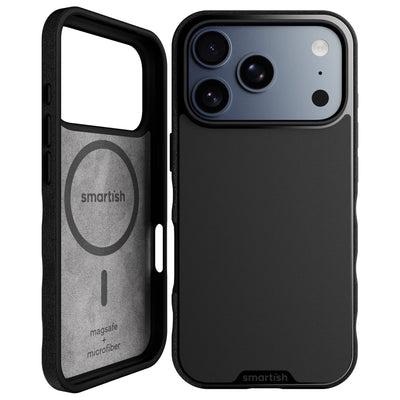
For most buyers, the best value is not the highest number printed on the box. It is a charger that matches the phone, fits the space, and avoids duplicate purchases. Put the saved money toward a cable with reinforced connectors or a spare for your bag. If your case uses magnetic charging, the Gripmunk with MagSafe® - Slim Case for iPhone 16 Pro is a slim case built for that accessory style, with strong built-in magnets, raised screen and camera edges, air-pocket corners, and a smooth pocket-friendly back. It is specifically designed for iPhone 16 Pro, so confirm your phone model before ordering.
The Sensible Charger Checklist
Pros
- USB-C PD supports dependable wired charging.
- 30W to 35W covers most phone-only routines.
- GaN designs save bag and outlet space.
- 60W or higher adds useful capacity for multiple devices.
Cons
- Higher wattage costs more if you never charge another device.
- Charging speed changes with heat, battery level, and phone use.
- Not every USB-C cable supports every power level.
- A compact adapter still needs safe ventilation.
The short version: choose 20W if you already own a sound adapter, 30W to 35W for the everyday sweet spot, and 60W or more for fast top-ups plus extra devices. That approach keeps your iPhone 18 Pro charging accessories practical and compact.
Case Closed: How Your iPhone 18 Pro Case Impacts Charging
The Case-First Approach: Why Your Case Dictates Accessory Choices
Your case is part of the charging system, not an afterthought. A slim case with accurate port openings, a clear charging surface, and properly positioned magnets gives wired, MagSafe, and Qi2 accessories a better chance of working as intended. A case that is thick around the back, loose near the camera, or crowded with add-ons can turn a charger into a small plastic wrestling match. Before shopping for iPhone 18 Pro charging accessories, check whether your case supports magnetic attachment, wireless charging, and easy access to the USB-C port.
Magnet Interference: When Thick Cases Block MagSafe and Qi2
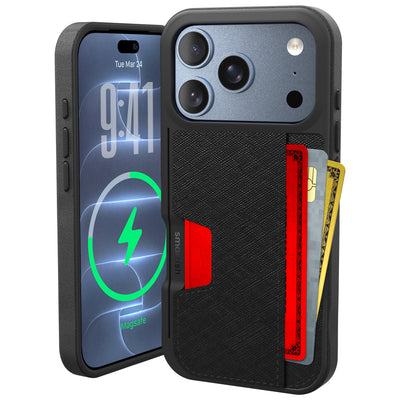
MagSafe and Qi2 rely on magnetic alignment, so the charging puck needs a clear path to the phone. Extra material between the phone and charger can weaken the hold or create enough distance for charging to start and stop. Wallet inserts, metal plates, magnetic rings placed outside the intended area, and thick decorative layers can also affect alignment. If a charger disconnects when you set the phone down, remove the wallet or accessory first. If the problem disappears, the case setup is the likely cause.
Camera Bump Clearance: Avoiding the Wobble and the Disconnect
The camera housing can keep a phone from sitting flat on a charging pad. That tilt may reduce contact, shift the magnetic center, or leave the phone wobbling. Look for a case with a raised camera rim and a back surface that does not force the lens area against the charger. On a stand, confirm that the lower support carries the phone’s weight rather than pressing into the camera module. A good fit protects the lenses while keeping the charging coil and magnetic ring in the right place.
Kickstands, Wallets, and Other Bulk: The Real-World Charging Obstacles
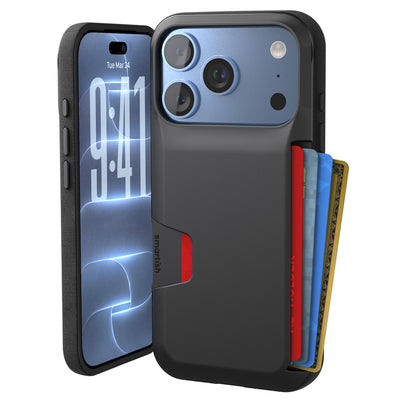
Kickstands and card holders are handy until they sit directly between the phone and charging surface. A folded stand may prevent a flush connection, while cards can add distance and sometimes contain materials that interfere with magnetic accessories. Remove detachable wallets before wireless charging, and fold or open a kickstand according to the charger’s instructions. For dependable overnight charging, a plain back is usually less fussy than a case covered in attachments.
Smartish Solutions: Cases Designed for Charging Compatibility
The Gripmunk with MagSafe® - Slim Case for iPhone 16 Pro uses built-in strong magnets for MagSafe accessories and high-speed wireless charging. It also has air-pocket corners, raised screen and camera edges, a textured grip, and a soft microfiber interior. Those details address daily annoyances that send phones sliding off desks or meeting sidewalks. Its exact fit is for iPhone 16 Pro, not every model in the iPhone family, so confirm the phone model before ordering.
The Gripmunk with MagSafe® - Slim Case for iPhone 16 Pro is available in multiple colors and patterns, with pricing from $19.99 to $24.99. It pairs with magnetic charging gear, though every case and charger combination should still be tested for stable alignment. A case cannot override a poorly positioned mount, blocked ventilation, or a wallet left attached during charging.
Your Daily Charging Hubs: Setting Up for Success (Desk, Nightstand, Car, Travel)
The Desk Setup: Powering Up While You Work
A desk setup should keep the phone visible, reachable, and out of the cable’s way. Use a USB-C PD wall adapter with enough output for your phone and any second device you charge nearby. A short cable reduces loops across the keyboard, while a stand keeps notifications readable. If you use a magnetic charger, position it near the edge of the desk rather than behind the display. That makes it easier to dock the phone and notice when charging has begun.
Nightstand Nirvana: The Perfect Bedside Charging Station
Bedside charging calls for low effort and predictable placement. A compact adapter, one dedicated cable, and a stand or charging pad are enough for most nightstands. Choose a cable long enough to reach without stretching, but not so long that it forms a knot. Keep the power adapter uncovered and away from blankets, books, and other heat-trapping clutter. If you use the phone as an alarm, a stand makes the screen easier to read and keeps the charging port from bearing the weight of a phone dangling over the edge.
On the Go: Car Charging Essentials That Won't Quit
For vehicle use, prioritize a secure mount, a car power adapter with USB-C output, and a cable that reaches without crossing the steering wheel or gear selector. A magnetic mount works best with a compatible magnetic case and a firm mounting surface. Test the connection while parked before trusting it on a bumpy road. Heat from direct sun, a windshield mount, or a closed vehicle can slow charging, so place the phone where airflow reaches it.
Travel Smart: Packing Light with Multi-Functional Chargers
A travel kit should solve several charging problems without becoming a pouch of mystery cables. Pack one compact GaN adapter, the included USB-C cable, and one spare cable if your trip includes long transit days. A multiport adapter can charge a phone, earbuds, or tablet from one outlet, provided its total output matches the devices connected. Add a small plug adapter for international travel when needed, and check voltage compatibility before plugging in. The goal is a repeatable kit that moves from hotel desk to airport seat.
Cable Chaos Solved: Clever Organization for Every Space
Assign each cable a home: desk, nightstand, car, or travel pouch. Use hook-and-loop ties instead of tight knots, and coil cables loosely from the connector end to reduce stress near the plug. Labeling both ends helps identify length and purpose before you crawl behind furniture. Replace cords with frayed insulation, bent connectors, or intermittent charging. A small cable organizer can keep USB-C leads separated from earbuds and power adapters.
- Desk: Use a reachable stand, a short cable, and a suitable USB-C PD adapter.
- Nightstand: Keep one dedicated cable clear of blankets and clutter.
- Car: Pair a stable mount with a secure USB-C vehicle adapter.
- Travel: Pack one compact multiport adapter, a primary cable, and a spare.
- Everywhere: Coil cords loosely and inspect connectors before packing.
Choose the Setup That Matches Your Routine
Pros
- Dedicated charging spots reduce misplaced cables.
- One compact adapter can serve several daily locations.
- Magnetic stands make docking quick and visible.
- Cable organization protects connectors from unnecessary strain.
Cons
- Multiple charging stations can cost more at the start.
- Wireless mounts need accurate case and magnet alignment.
- Travel adapters may share output across connected devices.
- Vehicle charging can slow in hot conditions.
The smartest iPhone 18 Pro charging accessories setup is the one that fits the places you already charge. Start with the desk or nightstand you use most, then add car and travel gear only when those routines call for it. Fewer, better-placed accessories usually beat a drawer full of duplicates.
Beyond the Brick: Wireless Charging, Power Banks, and Future-Proofing
MagSafe vs. Qi2: What's the Difference and Which is Right for You?
MagSafe and Qi2 both use magnetic alignment to keep a phone near the charging coil, but they are not identical. MagSafe is Apple’s magnetic charging system, while Qi2 is an industry standard built around a similar magnetic profile. Standard Qi2 wireless charging typically reaches 15W to 25W, depending on thermal regulation and alignment. MagSafe is the straightforward pick if you already use compatible magnetic mounts, stands, or battery packs. Qi2 can be a smart choice if you want broader device compatibility. Either way, a case must have a properly positioned magnetic ring.
Wireless Charging Stands vs. Pads: Convenience and Speed
A charging stand keeps the screen visible for alarms, calls, and timers. It also makes alignment easier because the phone rests against a defined support. A pad takes up less space and works well on a nightstand or desk, though you must place the phone more carefully. Neither format automatically charges faster. Coil placement, charger output, phone temperature, and case material matter more than the shape. For a desk, choose a stand if visibility matters. For a tidy bedside surface, a pad may be enough.
Power Banks: Your Pocket-Sized Powerhouse for Emergencies
A power bank earns its space when outlets are scarce, travel plans go sideways, or navigation drains the battery before you reach your destination. Look for USB-C input and output, clear capacity labeling, built-in safety controls, and enough power for your routine. A wired connection is usually the practical choice for a quick boost, while a magnetic battery pack is more convenient for walking around. Keep the pack and phone out of direct sun, and avoid charging beneath clothing or blankets. For most people, a moderate-capacity battery with a reliable cable is more useful than a giant pack that stays home.
The Future of Charging: What to Expect Next
Future-ready buying does not require predicting the next connector. Choose USB-C Power Delivery, clear safety specifications, replaceable or durable cables, and magnetic accessories that follow established standards. Higher-output USB PD 3.1 adapters can provide useful headroom for multiple devices, while GaN III designs keep that capacity in smaller enclosures. Wireless charging should continue improving through better thermal management, stronger alignment, and wider Qi2 adoption. The sensible move today is to buy accessories that serve your current phone and remain useful for earbuds, tablets, or a future device.
Frequently Asked Questions
Does the iPhone 18 Pro use a different charger than older iPhones?
The iPhone 18 Pro uses a USB-C charging cable and a separately purchased USB-C power adapter. A healthy 20W USB-C PD charger remains suitable, while a 30W to 35W adapter gives most phone-only setups a useful mix of speed, size, and price. Check your existing gear before buying another brick.
What are the latest iPhone 18 Pro charging accessories?
The most useful iPhone 18 Pro charging accessories are a USB-C PD wall adapter, the included USB-C cable, and optionally a car charger, battery pack, or multiport adapter. A 30W to 35W charger fits most daily routines, while a 60W or higher USB PD 3.1 adapter suits quick top-ups and multiple devices.
Will the iPhone 18 Pro have faster charging?
The iPhone 18 Pro can support faster wired charging with a suitable USB PD 3.1 adapter, with Apple charging guidance citing up to 50% in 15 minutes under tested conditions. A 60W adapter provides extra headroom, but battery level, heat, cable quality, and phone use can change real charging times.
Will the iPhone 18 Pro use a magnetic charger?
The provided iPhone 18 Pro information does not confirm whether the phone will use a magnetic charging system. Shoppers should plan around the confirmed USB-C wired setup first, then check Apple’s final specifications before purchasing magnetic charging accessories. That approach keeps a new accessory from becoming drawer décor.
Why was MagSafe discontinued?
The provided information does not say that MagSafe was discontinued for the iPhone 18 Pro. The guide focuses on USB-C wired charging and does not confirm a change to magnetic charging, so buyers should avoid assuming MagSafe support or discontinuation until Apple publishes final accessory details.
Is a 60W charger too powerful for the iPhone 18 Pro?
A 60W charger is not too powerful for the iPhone 18 Pro when it uses USB Power Delivery, because the phone requests the power it can use. The extra capacity helps with quick top-ups and charging other devices, while a 30W to 35W adapter is enough for most phone-only setups.