







Key Takeaways
- Amazon's Black Friday Week runs from November 20 to December 1, 2025, with a strategic deal-drop schedule.
- Early-week deals prioritize electronics and big-ticket items to clear inventory before the physical shopping rush.
- Mid-week deals expand into home goods, kitchen appliances, and holiday decor for shoppers preparing holiday entertaining.
- Cyber Monday and the days leading up to it focus on clothing, beauty, books, and smaller gift items.
- Deal categories shift throughout the week to match shopper priorities and maximize appeal.
Table of Contents
- Understanding Amazon's 2025 Deal Landscape
- Decoding Amazon Deal Mechanics: How Savings Actually Work
- Prime Membership: Unlocking Exclusive Deal Access and Cashback
- Navigating Deal Categories: Where the Biggest Savings Hide
- Strategic Timing: When to Click "Buy Now" vs. When to Wait
- AI Shopping Tools: Using Amazon's Personalization to Find Your Best Deals
- Coupon Stacking and Promo Code Strategy: Maximizing Your Discount
- Identifying Genuine Deals vs. Inflated Discounts: The Price History Deep Dive
Understanding Amazon's 2025 Deal Landscape
Amazon's major shopping events in 2025 center on Black Friday Week (November 20–December 1) and Cyber Monday, with millions of deals spanning electronics, home goods, beauty, fashion, toys, and groceries. The best deals Amazon 2025 will offer include early-access periods for Prime members, daily deal drops, and AI-powered personalization tools that help shoppers find relevant discounts faster. Black Friday Week alone offers up to 50% off Amazon devices, 55% off home products, and 80% off Kindle books, while Cyber Monday extends these savings through December 1.
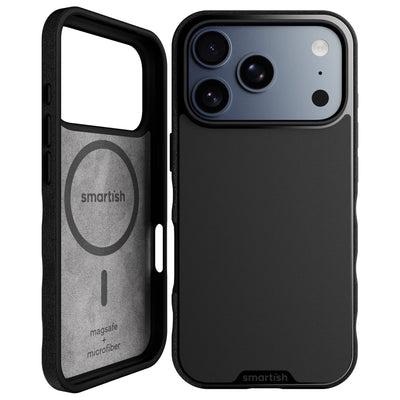
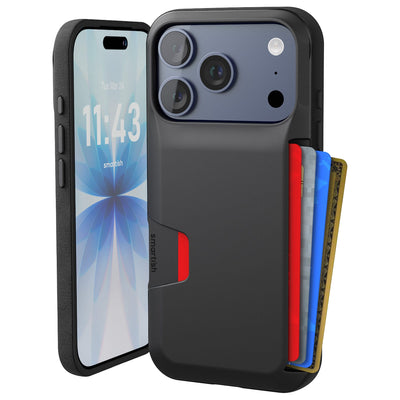
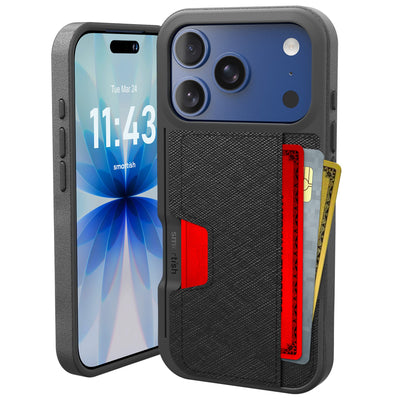
Understanding the timing, eligibility requirements, and deal mechanics, like Lightning Deals versus standard discounts, is essential to capturing genuine savings rather than marketing-inflated percentages. Most shoppers miss the fact that Amazon's deal structure prioritizes inventory movement over margin preservation, meaning deeper discounts appear on overstocked items rather than bestsellers. If you're shopping for essentials like phone cases or wireless chargers, these categories often feature some of the most competitive discounts during major events.
Amazon's 2025 approach integrates AI-driven personalization more heavily than previous years, with Rufus shopping assistant and Help Me Decide features filtering millions of products based on your browsing history, budget constraints, and stated preferences. This technology shift means two customers searching for identical items may see different deal presentations and pricing tiers. For more tips on maximizing your savings, see this guide to the best phone case deals 2025.
Decoding Amazon Deal Mechanics: How Savings Actually Work

Most Amazon deals display savings as percentages ("up to 50% off") rather than absolute dollar amounts, which can obscure whether a discount is genuinely valuable. Amazon calculates these percentages by comparing the current sale price to a reference price, often the manufacturer's suggested retail price (MSRP) or a previous full price, rather than the item's typical market rate. This means a 40% discount may still represent a mediocre deal if the original price was already inflated.
"Up to X% off" language signals that only select items in a category receive maximum discounts; the average savings across that category may be significantly lower. To evaluate a deal authentically, cross-reference the current price against historical pricing data (available through browser extensions or price-tracking sites), compare it against competing retailers, and consider whether the item addresses an actual need or simply triggers impulse purchasing due to the discount label. If you're looking for the latest iPhone savings, check out these apple deals 2025 for more insights.
Key Pricing Terminology You'll Encounter
Lightning Deals: Time-limited discounts (typically 4–12 hours) with limited stock; availability resets daily. Today's Big Deals: Featured deals that rotate throughout the day, with countdown timers indicating when they expire. Coupon codes vs. automatic discounts: Coupon codes require manual entry at checkout; automatic discounts apply without extra steps. Price-matching adjustments: Amazon occasionally matches competitor pricing during major sales events. Regional pricing variations: Discounts, shipping eligibility, and product availability differ by zip code and Prime membership tier.
Prime Membership: Unlocking Exclusive Deal Access and Cashback
Prime membership eligibility directly impacts deal access during Black Friday Week and Cyber Monday. Standard Prime members ($139/year or $14.99/month) gain early access to select deals 30 minutes before the general public, guaranteed same-day or one-day delivery on millions of items, and exclusive Prime Visa sign-up bonuses ($250–$300 Amazon gift cards upon approval). Young Adults aged 18–24 receive a discounted membership at $7.49/month or $69/year after a six-month free trial, while Prime Access for qualifying government assistance recipients costs $6.99/month.
During major sales events, Prime members earn 5% cashback year-round on Amazon purchases and 10%+ on select Lightning Deals, plus an additional 2% back when choosing No-Rush Delivery. For a shopper planning to spend $2,800+ annually on Amazon (the break-even point for Prime membership), the combination of faster shipping, exclusive deals, and cashback rewards justifies the membership cost.
Prime Member Perks Worth Maximizing During 2025 Sales
Rufus AI Shopping Assistant: Personalized product recommendations, gift discovery, price comparison, and deal alerts sent directly to your phone. Help Me Decide feature: AI-powered tool that narrows product options based on your priorities (price, features, reviews) in under 60 seconds. Enhanced Alexa deal notifications: Set price alerts on specific items and receive instant alerts when discounts drop. Prime Visa rewards: Combine your Prime membership with the Prime Visa card to earn 5% back on all Amazon purchases and 2% back at gas stations and restaurants.
Navigating Deal Categories: Where the Biggest Savings Hide
Different product categories follow distinct discount patterns during 2025 Black Friday Week and Cyber Monday, with some categories offering significantly deeper cuts than others. Electronics consistently deliver the highest percentage discounts (up to 50% off), particularly Amazon devices (Echo Dot Max, Fire tablets, Kindle Paperwhite, Blink cameras) and third-party brands like JBL, Bose (up to 45%), Canon, ASUS, LG, and Samsung. Home and kitchen categories often reach 55% off (Shark floorcare, BISSELL, Dyson) to 50% off (Ninja appliances, Vitamix), with premium brands like Breville and Our Place offering more modest 20–25% reductions.
Fashion and apparel discounts typically range from 40–50% on brands like Levi's, GAP, New Balance, and NAADAM, though luxury or limited-edition pieces rarely exceed 25% off. Seasonal categories (artificial Christmas trees, ornaments, holiday decor) and toys (MAGNA-TILES, Melissa & Doug, NERF, Hasbro) reach 40–50% off, while books and digital media offer up to 80% off Kindle editions and 65% off print books. Beauty deals span 30–50% off premium brands (Lancôme, Armani Beauty, Kiehl's, Sol de Janeiro, ELEMIS), with beauty tools from Drybar and Shark included. If you're shopping for new devices, don't miss the iPhone 14 or 2-Port Wall Charger deals, which often see significant markdowns during these events.
Category discount expectations and timing
| Category | Typical Discount Range | Best Timing | Stock Risk |
|---|---|---|---|
| Electronics & Amazon devices | 40–50% | Black Friday Week (Nov 20–24) | High |
| Home appliances | 35–55% | Thanksgiving week through Cyber Monday | Medium |
| Fashion & apparel | 40–50% | Cyber Monday (Dec 1) momentum | Low |
| Beauty & personal care | 30–50% | Throughout entire event | Medium |
| Books & Kindle | 50–80% | Last-minute deals (Nov 29–Dec 1) | Low |
| Seasonal/holiday items | 30–50% | Week before item's holiday (Dec trees) | High |
| Toys & games | 30–40% | Thanksgiving week | High |
| Groceries & Whole Foods | 10–20% (Prime-exclusive) | Rotating weekly | Medium |
Strategic Timing: When to Click "Buy Now" vs. When to Wait

Amazon's Black Friday Week (November 20–December 1) follows a predictable deal-drop schedule that savvy shoppers can exploit. Early-week deals (November 20–24) favor electronics and big-ticket items, as Amazon and brands push inventory ahead of the physical shopping rush. Mid-week (November 25–27, leading up to Thanksgiving) sees expansion into home goods, kitchen appliances, and holiday decor, with brands trying to capture shoppers planning holiday entertaining. Cyber Monday itself (December 2, 2025) and the days immediately preceding it (November 29–December 1) focus on clothing, beauty, books, and smaller gift items, categories with lower urgency but higher volume appeal.
Lightning Deals rotate every 4–12 hours starting at 12:01 a.m. PST daily, with new batches appearing mid-day around noon PST and again in early evening. To maximize savings, set price-tracking alerts on 8–10 items you genuinely need by November 15, add them to your wish list, and monitor price history using browser tools; this data reveals whether a deal represents genuine savings or an inflated discount off an already-marked-up price. The best deals amazon 2025 will require strategic patience, waiting for the right timing window can mean the difference between 25% savings and 50% savings on identical products.
Deal-hunting checklist for each phase
- Week 1 (Nov 20–24): Monitor tech, electronics, and Amazon devices; prioritize items prone to supply chain disruptions
- Thanksgiving week (Nov 25–27): Watch home appliances, kitchen gadgets, and entertaining essentials; compare 2024 pricing if available
- Pre-Cyber Monday (Nov 29–Dec 1): Track beauty, fashion, books, and gift-worthy items; use "Today's Big Deals" filter daily
- Post-event holdovers (Dec 2–4): Capture stragglers and clearance pricing on overstocked items
AI Shopping Tools: Using Amazon's Personalization to Find Your Best Deals
Amazon's AI-powered shopping tools reduce decision fatigue and accelerate deal discovery by filtering thousands of options down to your specific priorities. Rufus, the AI shopping assistant, accepts conversational queries like "Show me gaming laptops under $1,000 with 16GB RAM on sale," then returns curated results ranked by savings percentage, customer reviews, and Prime eligibility. The Help Me Decide feature works differently: you input your budget, key features (e.g., "wireless noise-cancelling," "under 8 ounces"), and use case (commuting, gym, office), and the algorithm eliminates options that don't fit, narrowing 200+ headphone choices to 8–12 viable candidates in under two minutes.
Amazon Lens and visual search tools allow you to photograph a competitor's product or scan a barcode, then instantly discover the same item on Amazon, critical for verifying whether Amazon's Black Friday price actually undercuts other retailers. The Hear the Highlights feature generates AI-synthesized audio summaries of product details, review themes, and deal information, enabling you to shop while commuting or multitasking. These tools become essential when hunting for the best deals amazon 2025, as they cut through marketing noise to surface genuine value. For more on iPhone-specific offers, see the latest iphone deals 2025.
Step-by-step: Using AI tools to validate a deal's legitimacy
- Photograph or scan the product at a competitor's store, or upload a screenshot of a deal you found elsewhere
- Launch Amazon Lens and select "Match product"; wait 5–10 seconds for AI identification
- Compare prices across the matched product listing and at least two competitor sites (Best Buy, Target, Costco)
- Check customer reviews on Amazon (focus on 3–4 star reviews for balanced perspective, not just 5-star praise)
- Read Hear the Highlights audio summary to verify the product's actual specs and common complaints
- Set a price alert via Rufus for 7–14 days if the Amazon price isn't definitively lower yet
- Add to cart only if Amazon's price is 10%+ lower than competitors and the product genuinely meets a need
Coupon Stacking and Promo Code Strategy: Maximizing Your Discount
Amazon allows customers to combine certain discounts during Black Friday and Cyber Monday, though the rules are restrictive. You can stack one manufacturer coupon (e.g., "20% off Ninja appliances") with one Amazon coupon or promo code, but not two Amazon coupons simultaneously. Additionally, automatic discounts tied to spending thresholds (e.g., "Spend $100, get $20 off") cannot be combined with promo codes, forcing you to choose the higher savings. Prime Visa and Prime Store Card users gain an additional layer: sign-up bonuses ($250–$300 Amazon gift cards) apply after your first qualifying purchase, effectively adding 5–15% extra savings on top of advertised deal percentages.
For example, a $200 40% off Lightning Deal ($80 savings) becomes a $330–$350 net savings when you apply a $250 Prime Visa bonus on top, assuming you meet the annual spending threshold (typically $1,500–$2,000). However, retailer-specific digital coupons (clipped via Amazon's coupon center) and manufacturer coupons require manual entry at checkout; missing the coupon page during browsing is the most common reason shoppers leave money on the table. The best deals amazon 2025 often emerge from strategic coupon combinations rather than headline percentages alone. If you're looking for more ways to save, consider browsing screen protectors and other accessories that frequently feature stackable discounts.
Coupon combination scenarios that actually work
- Scenario 1: Ninja blender marked 40% off ($40 off a $100 price) + Ninja manufacturer coupon (10% additional) = 48–50% total savings
- Scenario 2: Beauty product with Amazon coupon clip (15% off) + Prime Visa 5% back = 19–20% combined savings (approximate)
- Scenario 3: Appliance purchase during "Spend $150+ get $20 off" promotion + Prime Visa bonus on sign-up = $270+ total savings (coupon applied separately)
- Scenario 4: Kindle book at 80% off ($3 instead of $15) + Kindle Unlimited 3-month trial for $0.99 (separate transaction) = $3.99 total for book + trial access
Identifying Genuine Deals vs. Inflated Discounts: The Price History Deep Dive

Many Amazon deals exploit psychological pricing by inflating the "original price" and discounting from that artificially high baseline. A product listed as "$200 original price, now $100 (50% off)" may have actually sold for $80–$110 for the previous six months, making the "50% discount" meaningless. To verify deal authenticity, use free browser extensions (CamelCamelCamel, Keepa) that display historical pricing graphs for the past 3–5 years, allowing you to see when the item genuinely cost less. Most genuine Black Friday deals represent the lowest price in 12 months for that specific product; if the price history graph shows the item dipped to $95 last August, the current $100 "deal" is not exceptional.
Compare the Amazon price against at least two competitor sites (Best Buy, Costco, Target, Walmart) to confirm whether Amazon's percentage discount is competitive. Red flags include: (1) discount percentages exceeding 60% on mid-tier brands, (2) "was $X, now $Y" claims without a date (manufacturers rarely list undated original prices), (3) items with fewer than 100 customer reviews offering 40%+ discounts (possible quality issues), and (4) sellers other than Amazon or the brand itself offering "deals" on brand-new electronics (potential counterfeit or refurbished misrepresentation). Finding the best deals amazon 2025 requires this verification step to avoid marketing manipulation.
Verification checklist before clicking "Buy Now"
- Check price history: Use CamelCamelCamel or Keepa to see if this is genuinely the lowest 12-month price
- Verify competitor pricing: Compare Amazon's price against Best Buy, Target, Costco, and the brand's official website (minimum 2 competitors)
- Assess review quantity and recency: Products with 200+ reviews updated within the past month carry lower risk than 20-review products
- Confirm seller legitimacy: Verify the seller is Amazon, the brand itself, or an authorized reseller (check "Sold by" line)
Frequently Asked Questions
When is the best time during Amazon's Black Friday Week 2025 to shop for specific categories like electronics, home goods, and clothing?
Shop electronics early in the week (November 20–22) to catch big-ticket discounts. Mid-week deals (November 23–27) focus on home goods, kitchen appliances, and holiday decor. Clothing and beauty deals peak around Cyber Monday and the days leading up to it (November 28–December 1).
How does Amazon calculate the discount percentages shown during deals, and how can I determine if a deal is genuinely valuable?
Discounts are based on Amazon’s listed original price, often reflecting inventory clearance rather than regular retail pricing. To spot genuine deals, check the price history and compare with other sellers to avoid inflated discounts. Focus on Lightning Deals and time-limited offers for deeper savings on overstocked items.
What exclusive benefits do Prime members receive during Amazon's 2025 Black Friday and Cyber Monday events?
Prime members get early access to select deals before the public, plus exclusive cashback offers on certain purchases. This early-bird advantage helps secure popular items before they sell out and adds extra savings through member-only promotions.
How do Amazon's AI-powered personalization tools impact the deals I see, and can different shoppers get different prices for the same items?
Amazon’s AI tailors deal recommendations based on your browsing history, budget, and preferences, showing you relevant discounts faster. Because of this personalization, two shoppers searching for the same product might see different deals or pricing tiers, making your experience unique to your shopping habits.