




apple wallet
When your wallet and phone live in the same pocket, chaos can feel inevitable. Between juggling cards, boarding passes, and payment apps, losing track of anything feels like just a matter of time. Enter the apple wallet: your digital sidekick designed to trim the clutter without ditching the essentials. It’s not just a fancy card holder. It’s a pocket-sized powerhouse that syncs your important stuff in one spot and keeps it ready to roll when you are.
Key Takeaways
- Apple Wallet replaces that bulky physical wallet so your phone pocket stays organized and card-free.
- It safely stores boarding passes, payment cards, and loyalty cards in one digital spot you can access instantly.
- Syncing across devices means your important stuff is always up to date and ready when you need it.
- Using Apple Wallet cuts down the risk of losing your physical wallet since everything lives securely on your phone.
- You can pay, board flights, and scan store cards without ever pulling out a separate wallet or fumbling for a card.
This guide jumps into what apple wallet really is, weighs it against the trusty physical wallet, and points you toward smart ways to blend both worlds. Spoiler: if you’re the type who likes to keep things clever and simple, there’s a standout option waiting for your iPhone 11 Pro Max that’s far from ordinary.
What Is Apple Wallet? (The Short Version)
Your digital wallet, boarding passes, and more
Apple wallet is a digital app embedded in your iPhone that organizes your payment cards, boarding passes, tickets, and even reward cards in one secure place. It’s like having a slimmed-down wallet that lives in your pocket without the bulk. You can pull up your boarding pass right at the gate, flash a loyalty card at checkout, or scan a concert ticket. All without rifling through a stack of paper or plastic. It’s the kind of convenience that turns your phone into a one-stop shop for your day-to-day essentials.
How it works with Apple Pay and Apple Cash
At its core, apple wallet works hand in hand with Apple Pay, the tap-to-pay service that lets you pay with your phone at millions of stores and apps. When you add your credit or debit cards to apple wallet, Apple Pay securely processes transactions without exposing your actual card info. Apple Cash adds a peer-to-peer money transfer twist, letting you send and receive money through Messages, all tracked neatly inside your wallet app. This combo means your wallet is not just digital but also functional for payments and transfers on the go.
Apple Wallet vs. Physical Wallet: The Real Trade-Offs

What a digital wallet does better (speed, backups, rewards)
Digital wallets excel at speed and convenience. Paying with apple wallet means a quick tap at checkout with Apple Pay. No digging through a bulky wallet or fumbling for the right card. It also backs up your cards and passes to iCloud, so losing your phone doesn’t mean losing your essentials. Plus, apple wallet tracks and applies rewards and loyalty cards automatically when supported, so you never miss out on points or discounts. It’s a system that cuts waiting time and keeps your perks within easy reach.
Where a physical wallet still wins (no battery, universal acceptance)
Physical wallets still hold ground because they don’t rely on battery power or a phone’s software. When your phone dies or gets left behind, your physical wallet is the trusty fallback. Plus, some places and situations. Think small businesses, certain government buildings, or international spots. May not accept Apple Pay or digital passes. Cash and ID cards are still often required. For those who like to keep cash or non-digital IDs handy, a traditional wallet remains a practical choice.
The middle ground: a phone case with a wallet slot
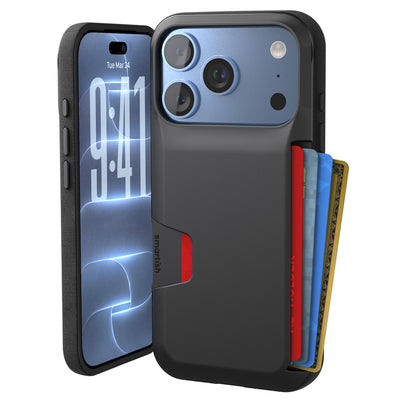
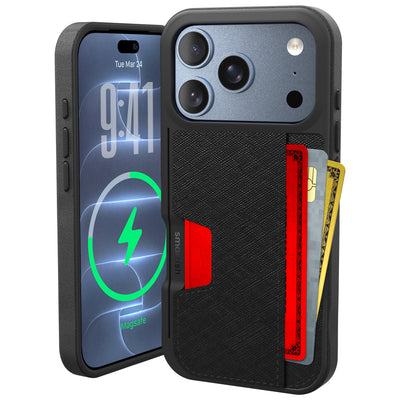
Balancing the best of both worlds means carrying a device that holds your phone and wallet essentials together. The Dancing Queen - Crossbody Wallet Case for iPhone 11 Pro Max nails this by securing up to five cards plus cash inside its slim profile. It even includes lipgloss loops for quick access and a removable wristlet with an adjustable crossbody strap to keep your hands free. While it isn’t compatible with MagSafe or wireless charging, it offers the convenience of a wallet without the bulk or the risk of forgetting your cards at home. This case is especially handy when you want your phone and wallet to move as one without sacrificing style or function.
| Feature | Apple Wallet | Physical Wallet | Dancing Queen Crossbody Case |
|---|---|---|---|
| Speed of Payment | Instant with Apple Pay tap | Slower, manual card handling | Quick card access + phone ready |
| Backup & Security | Cloud backup, biometric locks | No backup, physical risk | Physical security, close at hand |
| Acceptance | Dependent on Apple Pay support | Universal cash & card acceptance | Universal, holds physical cards |
| Battery Dependence | Must have charged phone | None | None |
| Convenience | Always with your phone | Extra item to carry | All-in-one carry solution |
Pros and Cons of Each Option
Pros
- Apple Wallet: Fast payments, automatic reward tracking, cloud backup
- Physical Wallet: Works anywhere, no battery needed, holds cash and ID
- Dancing Queen Case: Combines phone and wallet, hands-free carry, secures cards and cash
Cons
- Apple Wallet: Requires charged phone, limited acceptance in some places
- Physical Wallet: Bulky, easy to misplace, no backup
- Dancing Queen Case: Not compatible with wireless charging or MagSafe
How to Set Up and Maximize Your Apple Wallet
Alright, so you've got your phone ready to ditch some of that pocket clutter. But how do you actually get your essentials into this digital space? Setting up your apple wallet is pretty straightforward, designed to be just as easy as, well, using it. Think of it like loading up your favorite playlist. You just add the tracks you want and hit play. We're talking about making your phone do more of the heavy lifting, so you can focus on, you know, living your life. Let's get this digital wallet humming.
Adding credit/debit cards and transit passes
First things first: getting your plastic into the digital realm. Open up the Wallet app on your iPhone. You'll see a plus (+) button, usually in the top right corner. Tap that, and you'll get options to add a credit or debit card, a driver's license or state ID (in supported regions), or even a transit card. For payment cards, you can either scan your card with the camera or enter the details manually. The app guides you through verifying the card with your bank, which is usually a quick text or call. It’s a secure handshake between your bank, Apple, and your device, ensuring everything’s legit before your card lives digitally.
Beyond just swiping plastic, apple wallet is a champion for your commute. If your local transit system supports it, adding a transit card is a breeze. You can often load funds directly or connect an existing card. This means no more fumbling for a separate transit card at the turnstile; just a quick tap of your phone does the trick. It’s these little conveniences that really add up, turning your phone into the ultimate grab-and-go tool for daily life, whether you're grabbing coffee or catching the train.
Using Apple Pay in stores and online
Once your cards are loaded, using Apple Pay is where the magic happens. In stores, it's dead simple: unlock your iPhone, hold it near the contactless payment terminal, and authenticate with Face ID, Touch ID, or your passcode. That’s it. Your actual card number is never shared with the merchant, keeping your transactions private and secure. It’s faster than swiping, more secure than cash, and way less hassle than digging for the right card. Seriously, once you get used to it, you’ll wonder how you ever managed before.
This convenience extends to your online shopping adventures too. When you see the Apple Pay button at checkout on websites or in apps, you can skip filling out lengthy forms with your credit card details. Just select Apple Pay, and your iPhone or iPad will prompt you to confirm the purchase. It’s a streamlined process that saves you time and adds a layer of security by not exposing your payment information across multiple online platforms. This is especially useful for those impulse buys or when you’re trying to finish a purchase quickly on your mobile device.
Storing loyalty cards, event tickets, and boarding passes
Your apple wallet isn't just for payments; it's a digital filing cabinet for all sorts of important bits and bobs. Think loyalty cards from your favorite coffee shop or grocery store. Many retailers allow you to add their loyalty cards directly to your Wallet app, so you can scan them at checkout without carrying a stack of plastic. Just look for an "Add to Apple Wallet" button on their app or website. This keeps your rewards points and discounts front and center, ensuring you never miss out on earning or redeeming them.
Event tickets and boarding passes are another huge win. Purchased concert tickets, movie tickets, or airline boarding passes can often be added directly to your Wallet. This means your ticket is right there on your phone, ready to be scanned at the venue or gate. No more printing PDFs or searching through emails right before you need to get somewhere. For frequent travelers, having boarding passes easily accessible in the Wallet app is a game-changer, streamlining the airport experience. It’s about consolidating the essentials so your phone truly becomes your go-to device for managing your day, from transactions to travel and entertainment.
Security Tips for Your Digital Wallet
Let's talk security. When you move your financial life into your phone, it's natural to wonder, "Is it safe?" The good news is that Apple Wallet is built with layers of privacy and security. Your actual card number isn't shared with merchants when you pay using Apple Pay. Instead, a unique Device Account Number is encrypted and stored securely. This means your real card details stay private, a significant step up from swiping a physical card that displays your information.
Your first line of defense is the same one that protects your entire phone: Face ID, Touch ID, or your passcode. Every transaction requires authentication, so even if someone gets their hands on your unlocked phone, they can't make purchases without your explicit approval. This biometric security or passcode requirement is fundamental, ensuring that only you can authorize payments from your digital wallet. It’s a simple yet effective barrier against unauthorized access.
Should the unthinkable happen and you lose your iPhone, Apple has you covered. You can use the Find My app on another Apple device or iCloud.com to remotely lock your device or even erase all your personal data, including your wallet contents. This remote wipe feature is a critical safety net, ensuring your financial information doesn't fall into the wrong hands if your device goes missing. It’s peace of mind knowing you can act swiftly to protect your data.
Why You Might Still Want a Physical Wallet (or a Phone Case That Does Both)

While your iPhone can handle most of your payment needs, there are still moments when a physical wallet or a hybrid solution shines. For instance, some smaller businesses might not accept digital payments, or you might need to carry physical identification like a driver's license or a specific membership card that isn't yet digital-friendly. Cash, too, still has its place for small purchases or in situations where digital transactions aren't feasible. It’s about having options and not being caught unprepared.
This is where the beauty of a well-designed phone case comes in, bridging the gap between digital convenience and physical necessity. The Dancing Queen - Crossbody Wallet Case for iPhone 11 Pro Max offers a practical answer. It securely holds up to five cards and cash, keeping your essentials together with your phone. This means you can leave your bulky wallet at home but still have your payment cards, ID, and a little cash readily accessible. It’s designed for people who appreciate having their most-used items consolidated without adding significant bulk.
Beyond just storage, this case offers enhanced usability. It includes lipgloss loops for quick access, a removable wristlet, and an adjustable crossbody strap, allowing you to go hands-free. This makes it ideal for everything from a quick errand run to a night out. While it’s not compatible with wireless charging or MagSafe, its focus is on providing secure, convenient physical storage for your cards and cash directly attached to your phone. It’s a clever way to keep your essentials close, protected, and ready for action, proving that sometimes, the best solution is a blend of old-school practicality and modern design.
References
Frequently Asked Questions
What is Apple Wallet and how does it work?
Apple Wallet is a built-in app on your iPhone that stores your payment cards, boarding passes, tickets, and loyalty cards in one secure place. It works with Apple Pay for tap-to-pay transactions and Apple Cash for sending money through Messages. You can quickly access your passes at the gate or checkout without fumbling through a physical wallet.
How do I access Apple Wallet on my iPhone?
You can access Apple Wallet by opening the Wallet app on your iPhone, which is preinstalled and usually found on your home screen. You can also double-click the side button on your iPhone to quickly bring up your default card for payment. From there you can scroll through your passes, tickets, and cards.
How do I use Apple Wallet for payments and tickets?
To use Apple Wallet for payments, add your credit or debit cards to the app and then hold your iPhone near a contactless reader while using Face ID or Touch ID to authorize the transaction. For tickets and boarding passes, just open the Wallet app and tap on the pass to display the barcode or QR code for scanning. It is a fast way to handle daily essentials.
What is the difference between Apple Wallet and Apple Pay?
Apple Wallet is the app that stores your digital cards and passes, while Apple Pay is the contactless payment service that powers the transactions. You add your payment cards to Apple Wallet, and when you tap to pay, Apple Pay securely processes the payment without exposing your card details. Think of Apple Wallet as the container and Apple Pay as the engine.
What are the disadvantages of Apple Wallet?
A key disadvantage of Apple Wallet is that it requires your iPhone to be charged to work, so a dead battery leaves you without access to your cards or passes. Some smaller businesses, government buildings, and international locations may not accept Apple Pay or digital passes, so you still need cash or ID. Also, you lose the ability to quickly hand over a physical card in some situations.
Where is my Apple Wallet located on my iPhone?
Your Apple Wallet is located as a built-in app on your iPhone, typically on your home screen. If you cannot find it, you can swipe left on your home screen to open the App Library and search for Wallet. You can also double-click the side button on your iPhone to quickly access your default payment card from the lock screen.
Can I use a phone case with a wallet instead of a separate wallet?
Yes, a phone case with a wallet slot offers a middle ground by combining your phone and essentials in one slim carry. For example, the Dancing Queen Crossbody Wallet Case for iPhone 11 Pro Max secures up to five cards plus cash and includes an adjustable crossbody strap for hands free convenience. It is a practical way to keep your phone and wallet together without adding bulk.