




apple finewoven case
What Is the FineWoven Case?
The FineWoven case was a short-lived fabric case made from microtwill instead of leather. Launched in 2023 for iPhone 15, it vanished by 2024.
Why? Scratches, scuffs, and discoloration showed up within weeks. Keys left marks. Coins left marks. Fingernails left marks. The fabric attracted lint like a magnet and felt rough after handling. Reddit threads lit up with photos of cases that looked trashed after a month of normal use.
The idea was solid—68% post-consumer recycled content, ditch leather, save the planet. But sustainability doesn't mean much if your case looks beat up in three weeks. By the iPhone 16 launch, FineWoven was quietly dropped. No press release. No explanation. Just gone.
If you've still got one? Congrats. You own a piece of failed design history.
What FineWoven Got Right (And Very Wrong)

FineWoven nailed the sustainability angle. Recycled materials, no leather, no plastic shell. Multiple colors. MagSafe worked fine. At $59, the price matched previous leather cases.
The texture felt almost suede-like at first—soft, premium. Raised edges protected screens and lenses when placed face-down. Buttons stayed responsive through the fabric. Port cutouts lined up.
Then reality hit.
Water spots stuck around. Normal pocket debris left permanent damage. After a few weeks, most cases looked dingy and worn. The fabric didn't age gracefully like leather—it just aged badly. People wanted a case that got better with use, or at least stayed decent-looking. FineWoven gave them neither.
Should You Buy a Used FineWoven Case?
You can still find FineWoven cases on resale sites. Mostly as curiosities.
Before buying, zoom in on those listing photos. Check for scratches, discoloration, fabric pilling. Ask how long it was used. Ask if it shared pocket space with keys or coins (spoiler: it probably lost that fight).
Honestly? Skip it unless you're collecting design fails.
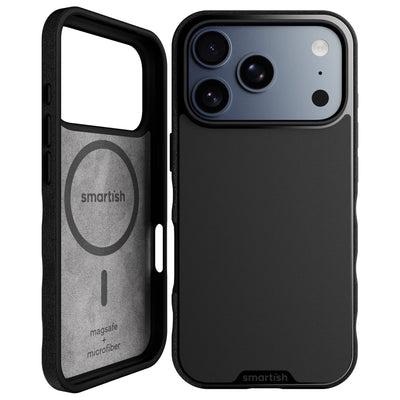
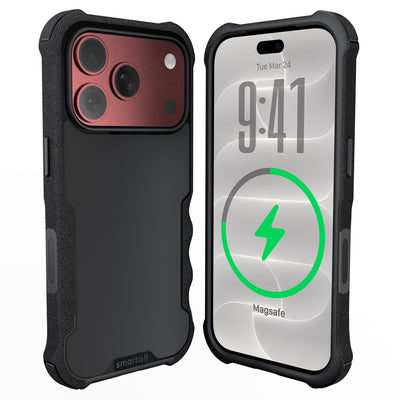
If you want sustainable protection that doesn't fall apart, look for cases with proven durability. Air-pocket corners absorb drops. Grippy (not sticky) textures prevent drops in the first place. Clear cases with anti-yellowing materials show off your phone without the maintenance headaches. Our Gripmunk cases combine recycled materials with actual drop-test results—sustainability that survives real life.
What Happened After FineWoven Flopped

After FineWoven got quietly axed, the focus shifted back to silicone and clear cases. No fabric replacement appeared for iPhone 16 models. No round two.
The lesson? Eco-conscious materials need to survive daily abuse. Sustainability loses when your case looks trashed after two weeks. You need both—materials that don't wreck the planet and designs that handle keys, spills, and actual life.
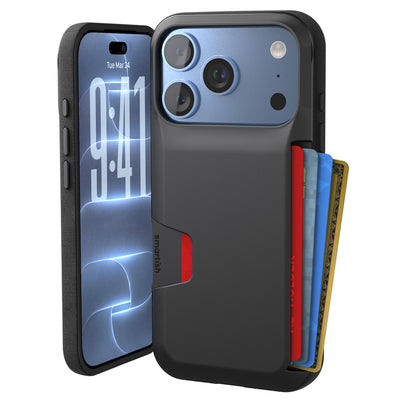
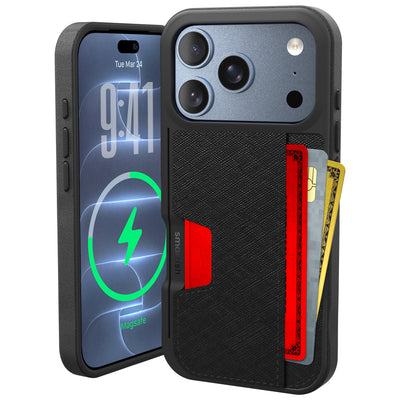
Our Side Hustle wallet gets this balance right—vegan leather that ages well, MagSafe compatibility, and construction that doesn't fall apart.
Cases That Don't Self-Destruct
What actually matters: Air-pocket corners absorb drops. Raised screen edges protect face-down placements. Raised camera rings keep lenses off surfaces. Grippy textures reduce slips. These features beat fabric every time.
Slim doesn't mean weak. Our Gripmunk cases are drop-tested, MagSafe-compatible, and actually slim—not marketing-speak slim. Real protection handles keys in your pocket, coffee spills on your desk, and still looks decent months later.
Reddit threads about FineWoven all say the same thing: people want cases that age well, not cases that need babying. You shouldn't worry about scratching your case every time you set down your phone.
Browse our full lineup of cases that survive real life—from slim Gripmunk to protective Gripzilla to wallet cases that actually hold up.
Your FineWoven Questions
Why was the FineWoven case discontinued?
Durability complaints tanked it. The material scratched from normal use, showed water spots, and looked worn within weeks. Reviews across Reddit and tech sites were brutal about long-term performance.
Does the FineWoven case work with iPhone 16 Pro or iPhone 17?
Nope. No FineWoven cases were made for iPhone 16 or iPhone 17 models. If someone's selling a "FineWoven case for iPhone 16," double-check dimensions and cutouts—it's probably mislabeled.
Is the FineWoven case worth buying used?
Only as a conversation piece. Even unused stock shows wear quickly with regular use. If you want a case that actually protects your phone, skip the novelty.
What's better than FineWoven for eco-conscious protection?
Cases built with recycled materials and proven drop protection. Our Gripmunk and Gripzilla cases use sustainable materials but won't fall apart after a month. Check our full case collection for options that balance sustainability with durability.
How can I get a quality iPhone case without overpaying?
You don't need to drop $60 on fabric that scratches. Our cases start around $20-$30 and include features like air-pocket corners, raised edges, and actual drop testing. Quality protection doesn't require luxury pricing.