


Alternatives to expensive designer phone cases
# Alternatives to Expensive Designer Phone Cases 2026Why Designer Phone Cases Cost So Much (And What You're Actually Paying For)
Designer phone cases command triple-digit prices, but the protection tech inside mirrors cases priced at $30. You're funding brand licensing fees, luxury packaging, and marketing budgets--not better materials.The designer markup explained
Buy an $80 designer case and roughly $15 covers materials and manufacturing. The remaining $65? Brand partnerships, retail placement, and the illusion of exclusivity. Not inherently wrong, but you're investing in status over substance.What separates $80 cases from $30 cases
Some premium cases offer genuine perks: exotic leather that ages beautifully, metal accents, artist collaborations. But core protection--air-pocket corners, raised screen edges, drop-test ratings--exists across price points. Your phone survives a sidewalk tumble the same way in both.Where premium pricing actually adds value
Designer cases earn their keep when aesthetics genuinely matter to your daily experience. Hand-stitched leather develops character. Limited-edition artist collabs spark conversations. If those elements bring you joy and fit your budget, go for it. But if you're after protection and style without the markup, quality options deliver.Protection Without the Price Tag: What Features Actually Matter
Drop testing and real-world protection standards
Real drop testing means repeated falls from specific heights onto concrete. Cases that pass these tests prove their protection credentials, regardless of price. Designer branding doesn't improve impact absorption. Air-pocket technology and shock-dispersing materials do.Air-pocket corners and raised edges explained
Air-pocket corners compress on impact, absorbing shock before it reaches your phone. Raised screen edges (typically 1 mm) create a buffer when your phone lands face-down. Quality cases across all price ranges include these features as baseline protection.Grip, texture, and everyday functionality
Grippy, not sticky. That's what prevents drops before they happen. Textured sides and finger grooves give you control during one-handed use. Designer cases often prioritize smooth aesthetics over practical grip, trading usability for visual appeal.MagSafe compatibility and modern accessory needs
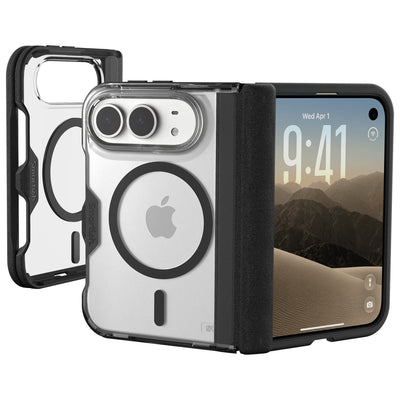
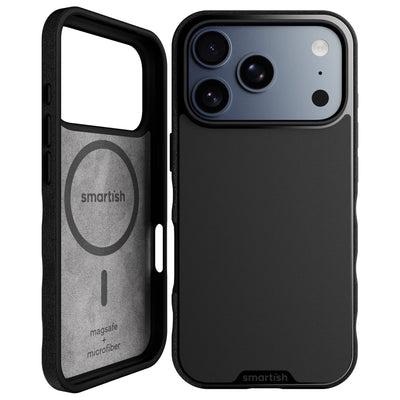
MagSafe turns your case into an ecosystem hub for mounts, chargers, and grips. Both slim and protective cases now offer this without adding bulk or compromising drop protection. Functionality beats logo placement for actual daily use.Style Meets Substance: Affordable Cases That Actually Look Good
Clear cases and anti-yellowing technology
Clear cases show off your phone's design without burying it under a logo. Modern anti-yellowing materials maintain transparency through months of sun exposure, coffee shop sessions, and outdoor use. Protect your device while keeping the color and finish you chose visible.
Color, texture, and customization options
Grippy textures don't require premium pricing. Materials that provide drop protection also create better handling. Finger grooves, textured backs, varied finishes--all available beyond basic black or transparent. Customization extends to all case types, not just clear versions. Match your style without the designer price tag.Finding your case personality without compromise
Your phone case reflects how you use your device. Slim case with clean lines? Minimalist approved. Bold colors? Stand out. Wallet case? Consolidation over flash. Function and aesthetics coexist when you focus on what serves your routine instead of brand recognition.Building Your Phone Protection Ecosystem
Cases that work with your accessories
Your case shouldn't limit what you can do with your phone. MagSafe compatibility opens up car mounts, desk stands, battery packs, and wallet attachments. Precise cutouts mean your charging cables and camera control button work without case removal. Learn more about mobile phone accessories.
MagSafe mounts, grips, and charging
Why a good case is just the starting point
Protection sets the baseline. What you add determines functionality. Grip accessories prevent drops. Wallet attachments eliminate pocket clutter. Kickstands enable hands-free viewing for cooking tutorials or video calls. Building a complete setup costs less than one designer case and solves problems you encounter daily.Real Talk: How to Choose the Right Affordable Case for Your Life
Slim vs. protective: know your tradeoffs
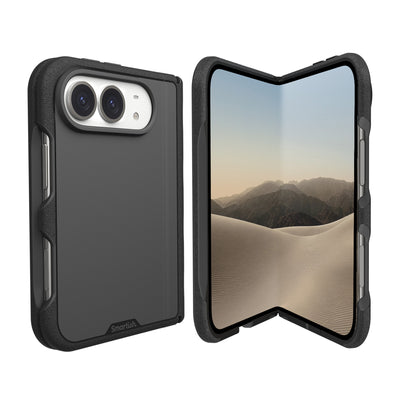
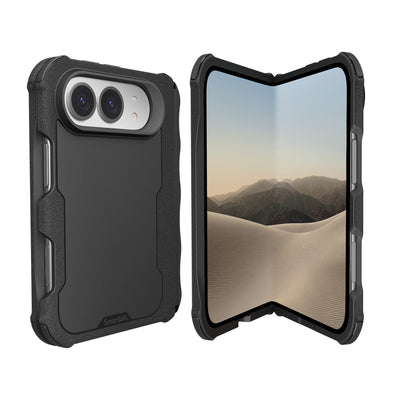
Both slim and protective cases can pass the same drop tests. It's thickness and hand feel that differ. Slim cases (like Gripmunk) maintain your phone's profile while delivering air-pocket corner protection and raised edges for screen and camera. Protective cases (like Gripzilla) add a rigid backplate for extra reassurance during outdoor adventures or job sites. Neither sacrifices protection--only bulk preference.Wallet cases for people who hate carrying both
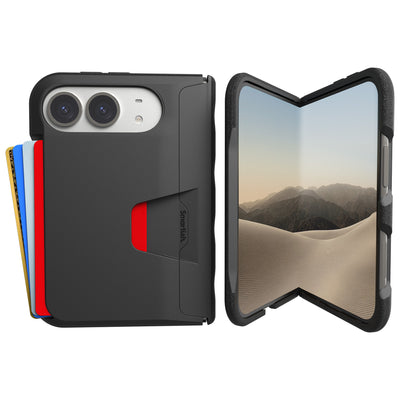
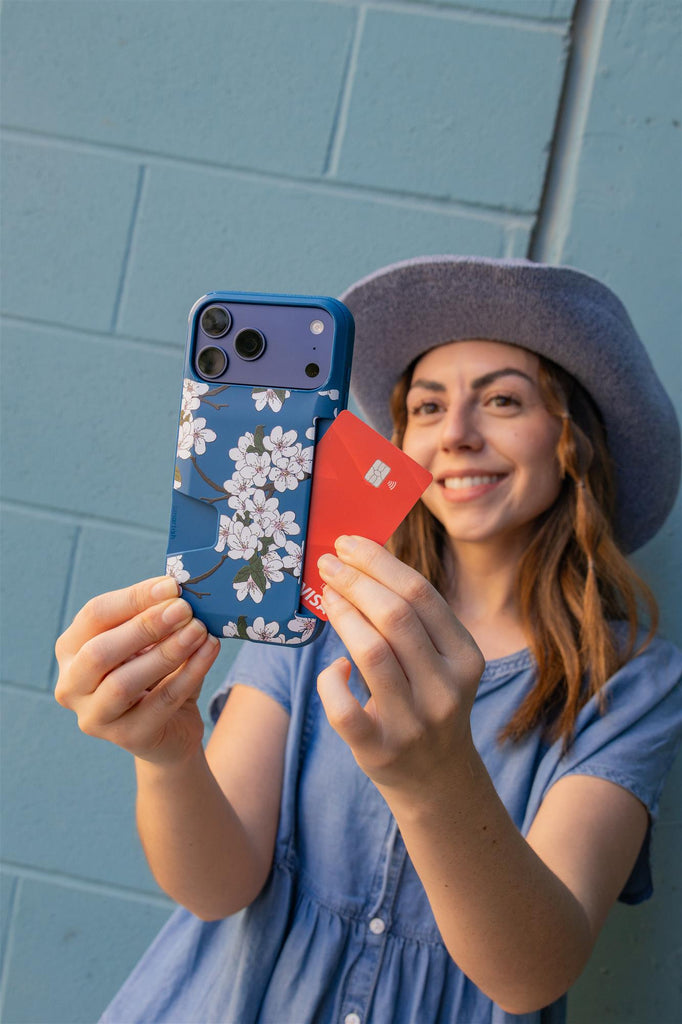
Wallet cases solve pocket overload. Wallet Slayer Vol. 1 and Vol. 2 combine phone protection with card storage, eliminating the two-item grab when you leave. Yes, they add thickness. That's the honest tradeoff for consolidation. Vol. 2 includes a kickstand for hands-free use. These work best for people prioritizing convenience over minimal bulk. For an affordable and stylish option, consider the Dancing Queen - Crossbody Wallet Case for iPhone 14.One question that narrows it all down
What actually frustrates you about your current setup? Dropped phones point to grip issues. Bulky pockets suggest wallet case solutions. Fumbling with car mounts means you need MagSafe. Your daily pain points reveal which features matter. Match protection level to your lifestyle, not marketing claims.The Verdict: Smart Protection Is an Investment, Not a Sacrifice
Designer cases sell a logo. Quality cases solve a problem.
The gap between $80 and $30 isn't filled with better protection or smarter design. It's a brand tax funding packaging, marketing, and the privilege of a name stamped on something you'll cover with your hand anyway.
Air-pocket corners absorb impact. Raised edges protect screens and cameras. MagSafe compatibility works with every mount and charger. These aren't compromises--they're the baseline any good case should meet, regardless of price.
Smartish builds this baseline into every product, then adds what designer cases skip: wallet integration, anti-yellowing clear materials, and customization that reflects your style instead of someone else's brand. Gripmunk gives you slim protection with finger grooves that prevent drops before they happen. Gripzilla adds a rigid backplate for people who need confidence on trails, job sites, or chaotic commutes. Wallet Slayer Vol. 2 eliminates the pocket clutter of carrying two things when one smarter thing works better.
None of this requires a premium price because the focus is function, not fashion. When a case passes the same drop tests, fits the same accessories, and lasts through the same daily wear as luxury options, the only difference is what you're willing to pay for a logo you won't see. Visit this phone case page for more background.
What's next for phone protection
Materials will improve. Recycled and biodegradable options will become standard, not selling points. MagSafe will get faster charging and stronger magnets. Cases will integrate more seamlessly with wireless accessories.
But the core truth won't change: protection comes from smart engineering, not marketing budgets.
People who upgrade yearly want cases that match their rhythm without inflating their spend. People who keep phones longer want durability that outlasts trends. Both groups are done paying extra for branding that adds nothing to the experience.
Choose based on how you live. If your phone survives coffee shop tables and couch cushions, go slim. If it rides in pockets with keys or gets tossed in bags with gear, go protective. If you hate wallets, combine both. The smartest case isn't the most expensive one--it's the one that disappears into your routine while doing exactly what you need it to do. Check phone case safety standards to stay informed.
Frequently Asked Questions
Why do some phone cases cost so much more than others?
Expensive designer phone cases often carry high price tags due to brand licensing fees, fancy packaging, and big marketing budgets, not necessarily superior protection. Most of your money goes towards the status and perception of exclusivity, not the actual materials or drop protection.
Are expensive designer phone cases truly better for protecting my phone?
For core phone protection, expensive designer cases often perform identically to more affordable options. Features like air-pocket corners and raised screen edges, which truly guard your phone, are available across many price points. If you're looking for protection and style without the premium price tag, there are plenty of smart alternatives.
What features should I look for in a phone case for good protection?
When picking a phone case, prioritize features like legitimate drop testing, air-pocket corners that absorb shock, and raised edges to protect your screen. A grippy, not sticky, texture also helps prevent drops before they even happen, making your daily phone use much smoother.
How can I get a stylish phone case without spending a lot?
You can absolutely find stylish phone cases without breaking the bank. Modern clear cases use anti-yellowing technology to show off your phone's design, and many affordable options offer varied colors, textures, and even customization. It's about finding a case that reflects your personality and functions well for you, not just a brand name.
What are the benefits of choosing an affordable phone case?
Choosing an affordable phone case means you get solid protection and style without overspending on brand status. It also frees up your budget for other useful accessories, like mounts or grips, that genuinely improve how you use your phone every day. It's about building a complete setup that works for you.