




alternative wallets
What Are Alternative Wallets?
Alternative wallets ditch the traditional bi-fold design in favor of something smarter: slim cardholders, phone-wallet hybrids, money clips, and minimalist front-pocket designs. They're built for people who've realized that carrying a bulky leather brick doesn't make sense anymore. Most of us use cards and phones for everything, so why lug around something designed for a pre-digital world?
Alternative wallets are streamlined carry solutions that replace traditional wallets with slim, functional designs. Think phone-attached cardholders, ultra-thin metal cases, or front-pocket minimalist options. They hold what you actually use (3–5 cards, some cash, your phone) and skip the bulk.
The shift started when people got tired of back-pocket discomfort and overstuffed wallets. These designs solve real problems: less bulk, easier access, and better organization. Whether it's a ridge-style metal cardholder or a wallet case that stays on your phone, these options keep your essentials handy without extra weight.
Benefits of Alternative Wallets
Switching to alternative wallets means carrying less and accessing more. Traditional wallets encourage hoarding: old receipts, expired cards, loyalty punch cards from 2019. Slim designs force you to carry only what matters, which turns out to be surprisingly little.
Front-pocket carry eliminates the back-pocket slouch and can lower pickpocket risk. Slim designs fit comfortably in front jeans pockets without creating that awkward bulge. Phone-wallet combos mean one less thing to grab when you leave the house, which is a big deal for anyone who's ever patted down their pockets in a panic.
Real Talk: Most people use the same 3–4 cards daily. Alternative designs make you confront this reality and organize accordingly. The result: faster checkout, less clutter, and less time spent digging through card slots.
Durability matters too. Many options use materials like aluminum, polycarbonate, or high-quality polymers that can outlast leather. They're also easier to clean and don't wear out the same way. Plus, RFID-blocking features are common in many designs, adding security without bulk.
How to Choose Alternative Wallets
Start with capacity. Count the cards you actually use daily (not the ones buried at the bottom of your current wallet). Most people need 4–6 cards max. If you carry cash regularly, look for designs with a money clip or cash strap. Phone-wallet hybrids work best if you're already carrying your phone everywhere.
Material choice affects both durability and feel. Metal cardholders offer a very slim profile and protection but can feel cold. Polymer or silicone options provide grip and flexibility. Wallet cases combine phone protection with card storage, ideal for minimalists who want true one-device carry.
Access method matters more than you'd think. Some designs use thumb slides, others have quick-release mechanisms, and wallet cases typically feature card slots on the back. Test how quickly you can grab your most-used card. Fumbling at checkout defeats the purpose of going slim.
Consider your lifestyle. Active types need secure closures and drop protection. Commuters benefit from transit-card accessibility. Office workers might prioritize a professional look. The best pick matches how you actually move through your day, not how you think you should carry things.
Types of Alternative Wallets
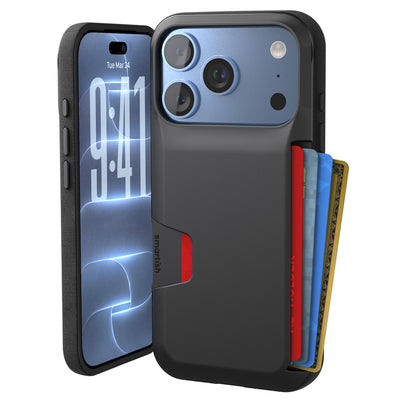
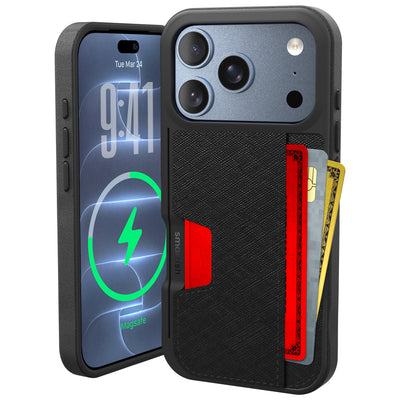
Phone-wallet hybrids attach directly to your device, combining protection with card storage. The Wallet Slayer Vol. 1 holds up to three cards in a secure slot, while Vol. 2 adds a built-in kickstand for hands-free viewing. Both feature air-pocket corners and raised screen edges for drop protection. These work best if you're already glued to your phone and want to cut pocket clutter.
Metal cardholders use rigid construction to protect cards from bending while keeping an ultra-slim profile. They typically hold 4–8 cards with a thumb-slide or fan mechanism for quick access. Many include external money clips for cash. The trade-off is less flexibility than fabric or polymer options, but you get a clean look and strong durability.
Minimalist front-pocket designs use soft materials like leather or synthetic fabrics, configured for horizontal carry. They're thinner than traditional wallets but keep some flexibility. Card slots stay accessible without the bulk of a bi-fold. These suit people transitioning from traditional wallets who aren't ready for rigid options.
Money clip styles strip things down to bare essentials: a clip for bills and 2–4 card slots. No zippers, no compartments, no excess. They're the smallest option but require commitment to minimal carry. Best for people who rarely use cash and have digitized most payments.
Maintenance and Care
Alternative wallets usually need less maintenance than leather, but they still benefit from occasional attention. Polymer and silicone cases clean easily with soap and water. Metal cardholders benefit from periodic wiping to remove fingerprints and pocket lint. Phone-wallet combos should be removed and cleaned every few weeks to prevent dust buildup between the case and device.
Card slots naturally loosen over time with use. This is normal, not a defect. If cards feel too loose, reduce the number you're carrying or add a business card as a spacer. For tight slots on new wallets, break them in gradually by inserting and removing cards several times before daily use.
Check fit regularly on phone-wallet hybrids. The case should sit snugly around your device without gaps. If you notice loosening, it's time to replace the case, especially if you've upgraded phones. Using the wrong-size case compromises both protection and card security.
Pro Tip: Rotate which card sits in the outermost slot every few months. This spreads wear evenly and keeps one card from getting beat up while others stay pristine. For more details on securing your digital assets carefully, you might find information about hardware wallet useful.
Frequently Asked Questions
Can alternative wallets hold enough cards for daily use?
Most people discover they only need 4–6 cards daily: ID, primary credit card, backup card, insurance card, and maybe transit or gym access. Slim designs push you to prioritize, which improves organization and access speed.
Do phone-wallet cases affect wireless charging?
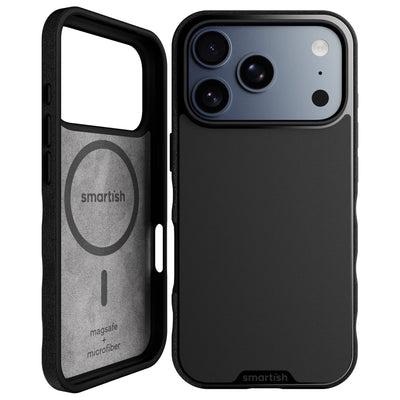
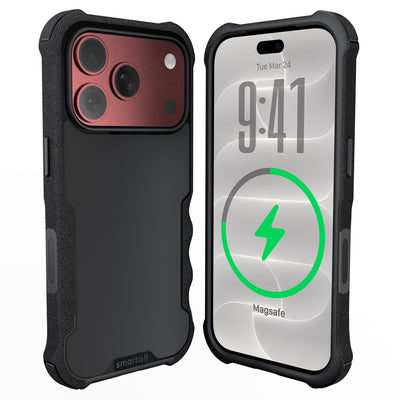
The Wallet Slayer Vol. 1 and Vol. 2 are not compatible with wireless charging due to card storage thickness. MagSafe-compatible cases like Gripmunk and Gripzilla work with wireless charging. If you run into charging issues with other wallet case designs, remove cards before charging.
Are metal cardholders secure against card skimming?
Many metal designs provide natural RFID blocking due to their construction. Check product specifications to confirm. Even without metal, most modern cards have built-in security that makes skimming harder in day-to-day situations.
How do I transition from a traditional wallet?
Empty your current wallet and separate cards into “use daily,” “use weekly,” and “never use.” Only the daily pile goes in your slim wallet. Keep weekly cards in your car or bag. Digitize or discard the never-use pile. Many people cut their carry from 15+ cards down to five within a week. To better understand secure storage for your digital currencies, reviewing details about cryptocurrency wallet is beneficial.
Common Mistakes to Avoid
Overstuffing defeats the entire point. Just because a cardholder claims it fits eight cards doesn't mean you should jam in eight cards. Overfilled slots wear out faster, cards get harder to access, and you're back to the bulk problem you tried to escape. Stick to what you actually need.
Skipping the card audit leads to carrying unnecessary items. That coffee shop loyalty card you haven't used in six months? Leave it at home. Most loyalty programs have apps now anyway. Track which cards you actually pull out for a week, then build your carry around that reality.
Ignoring material fit with your daily routine creates frustration. Metal cardholders look sharp but can feel cold in winter and may scratch other items in your pocket. Silicone grips well but attracts lint. Match the material to your day-to-day, not just looks.
Choosing capacity over access speed is backward thinking. A wallet that holds 10 cards but takes 20 seconds of fumbling is worse than one holding five cards you can grab instantly. Test the retrieval motion before you commit.
Making the Switch
Start with a trial period using only your front pocket, even with your current wallet. This shows whether front-pocket carry works for your body type and clothing. Some people find it comfortable right away; others need time to adjust. Better to learn that before buying new gear.
Digitize what you can before switching. Add loyalty cards to your phone, save insurance cards in a secure digital wallet, and set up mobile payment as a backup. This takes pressure off your physical carry and gives you a fallback if you forget something.
Keep your old wallet accessible for the first month. Stash it in your car or desk drawer with the cards you removed. If you find yourself constantly needing something you left behind, add it back. Many people never touch their backup wallet after two weeks, which confirms the cuts were right.
Real Talk: The first few days feel weird. Your hand will reach for your back pocket out of habit. You'll second-guess whether you have everything. That passes once muscle memory catches up to your new carry setup.
Phone-wallet combos require the biggest adjustment because losing your phone can also mean losing your wallet. Set up Find My iPhone (or the Android equivalent) and think through the trade-off. For many people, the convenience of one-device carry is worth it. Check out our Dancing Queen crossbody wallet cases which combine phone protection with wallet functionality for seamless everyday carry.
Final Recommendations
Alternative wallets work best for people ready to question their carry habits honestly. If you truly use 15 cards weekly, stick with a traditional setup. But most people discover they're hauling extra weight out of habit, not need.
Phone-wallet hybrids like the Wallet Slayer series make sense for minimalists who want true pocket consolidation. They're thicker than standalone cases but replace an entire pocket item. The Vol. 2 kickstand adds utility without compromising the core benefit of unified carry.
Metal cardholders suit professionals who want a clean presentation and strong durability. They're the most dramatic shift from traditional wallets, which makes them either perfect or totally wrong depending on your comfort with change.
Front-pocket fabric designs bridge the gap for people transitioning gradually. They keep a bit of traditional wallet familiarity while cutting bulk and improving access. If you're not ready to go rigid, these are a solid middle step.
The best choice is the one that disappears into your routine. You shouldn't think about it, fight with it, or worry about it. When you stop noticing your wallet because it just works, you've found the right solution.