





Affordable grippy textured wallets?
Affordable grippy textured wallets? Yes, a wallet can feel secure in your hand and hold up to daily use without demanding a premium price. The trick is to judge its material, stitching, edges, and card retention instead of trusting a big price tag or a dramatic “built to last” claim.
Key Takeaways
- A wallet's grip and durability depend on its material quality, not on how much you pay for it.
- Check the stitching and edge finishing closely, since sloppy workmanship is a reliable sign a cheap wallet will fall apart.
- Good card retention matters as much as texture, because a grippy wallet that lets cards slide out is not doing its job.
- Ignore bold durability claims on the packaging and judge the wallet by its construction details instead.
A low-cost wallet lasting for years isn’t just wishful thinking: a Reddit user reported using a ₹250 wallet for more than seven years, and an Urban Forest wallet priced at ₹400-500 reportedly lasted seven years without loose threads. Those are individual experiences, not guarantees, but they show why construction deserves a closer look.
Grippy, Textured, and Built to Last: The Short Answer
Quick answer: Look for a wallet with a tactile surface, secure card retention, and cleanly finished seams or edges. Texture can help reduce slipping, while solid construction helps the wallet withstand repeated handling. Affordable and durable aren’t opposites; a high price alone doesn’t prove either one.
What Makes a Wallet Grippy (Without Being Sticky)
A grippy wallet gives your fingers enough friction to hold on, without grabbing at fabric or feeling tacky in your pocket. That feel can come from a pebbled surface, woven fabric, molded grooves, or a rubberized finish. The best texture feels controlled: easy to retrieve, comfortable to carry, and less likely to slide across a smooth counter.
Why Texture Beats Price For Durability
Texture helps with handling, but durability depends on more than the surface. Fraying fabric, weak seams, peeling coatings, and stretched card slots can shorten a wallet’s useful life at any price. Check how the material meets at corners and openings, where everyday friction tends to show first. A Bellroy wallet reportedly still looked new after three years, another long-term example that price alone doesn’t explain wear.
How We Evaluated Grip, Texture, and Long-Term Durability

A useful comparison separates what a wallet feels like on day one from what its construction may handle over time. We considered surface traction, pocket access, seam and edge finishing, card capacity, and whether cards stay put during normal handling. Those criteria help distinguish functional texture from a decorative pattern, and practical durability from marketing language.
Our Grip and Texture Testing Criteria
Grip should make a wallet easier to hold without making it hard to pull from a pocket. A fair hands-on check includes picking it up with dry hands, moving it between a pocket and a bag, and checking whether cards remain secure as the wallet shifts. Drop protection claims also need context: Smartish says Wallet Slayer Vol. 1 is drop-tested from 6 feet, a specific claim about that product rather than a universal measure for every wallet.
Materials Ranked: Silicone, Fabric, Leather, and Rubberized Coatings
- Silicone: Often offers a soft, high-friction feel; inspect edges for signs of stretching or wear.
- Fabric: Woven surfaces can provide texture and flexibility; check stitching and exposed corners for fraying.
- Leather: Grain adds tactile detail, but quality depends on the hide, finish, and construction, not the word “leather” alone.
- Rubberized coatings: Can improve traction on a firmer base; look closely for peeling or a finish that feels overly tacky.
Price Ranges That Actually Deliver
Compare materials and construction before assuming a higher price buys longer life. The reported ₹250 wallet that lasted more than seven years and the ₹400-500 Urban Forest example show that modest cost can coexist with years of use, though individual results vary. For a sensible buy, weigh the asking price against stitching, finish, useful card capacity, and how securely the wallet holds what you carry.
Top Affordable Grippy Textured Wallets That Pass the Test
For a wallet that stays put in your hand and keeps everyday carry simple, Smartish leads this shortlist. Wallet Slayer models are phone cases with built-in card storage, so they suit people who want to leave a separate wallet at home. If you prefer a standalone design, long-term user reports offer useful clues about what modestly priced options can handle.
| Pick | Format | Capacity or evidence | Best fit |
|---|---|---|---|
| Smartish Wallet Slayer Vol. 2 | Phone case with card storage | Combines phone protection and wallet carry | One-pocket convenience |
| Smartish Wallet Slayer Vol. 1 | Phone case with card storage | Up to 4 cards plus cash; drop-tested from 6 feet | Slim everyday carry |
| Urban Forest wallet | Standalone wallet | One user reported 7 years without loose threads | Traditional wallet format |
| Bellroy wallet | Standalone wallet | One user reported it still looked new after 3 years | Long-term wear example |
#1: Smartish Wallet Slayer Vol. 2 - Best Overall Grip and Function
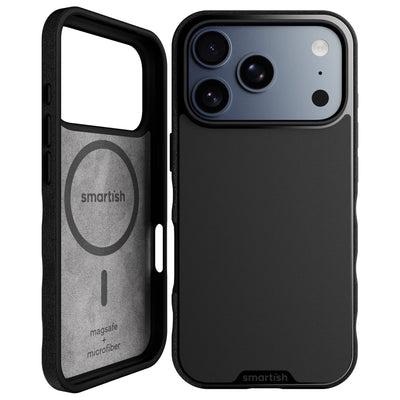
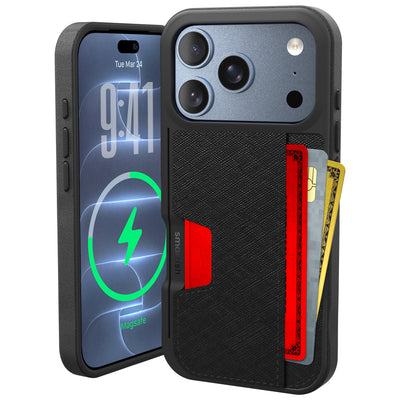
Best for: People who want their phone and essential cards together. Wallet Slayer Vol. 2 is the standout because it combines a protective phone case with built-in card storage, cutting down on pocket clutter without asking you to carry a separate wallet. Its grippy textured sides help with handling, a practical perk when your hands are full or your phone is trying to make a break for the floor.
iDownloadBlog describes Smartish cases as having grippy textured sides that help minimize drops. That supports the case’s everyday-use appeal, though it does not mean a textured surface prevents every fall. Check the product listing for the exact phone model before ordering, since case fit is model-specific.
#2: Smartish Wallet Slayer Vol. 1 - Best Slim Grip for Minimalists
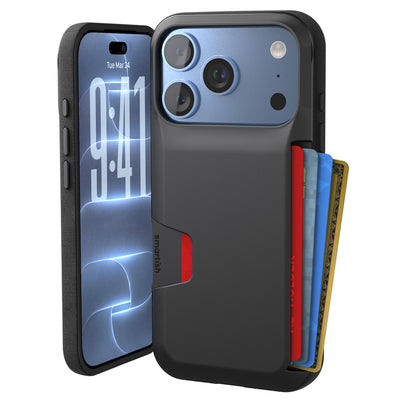
Best for: Anyone who carries a few cards and some cash, but would rather skip a bulky bifold. Smartish says Wallet Slayer Vol. 1 holds up to 4 cards plus cash and is drop-tested from 6 feet. Those concrete details make it a useful pick for pared-down carry, with phone protection and card storage in one case.
The trade-off is capacity: four cards may cover an ID, payment card, transit pass, and one spare, but it won’t suit a stack of loyalty cards. The grippy sides address handling, while the built-in slot keeps essentials close. Match the case to your exact phone model, then count the cards you actually use before buying.
#3: Runner-Up Picks for Standalone Textured Wallets
Best for: Shoppers who want a separate wallet rather than card storage attached to a phone. The Urban Forest example is notable for a user-reported seven years of use without loose threads. A Bellroy owner reported that their wallet still looked new after three years. These are individual accounts, not controlled durability tests or promises about every wallet from either brand.
Those reports also offer a useful reality check on price: construction and everyday care matter alongside the label. Inspect stitching, corners, card openings, and the surface finish before choosing. A wallet can look tidy on a product page and still disappoint if its seams loosen or its slots stretch.
Pros, Cons, and Real User Experiences
Pros
- Smartish combines phone protection with built-in card carry.
- Wallet Slayer Vol. 1 has a stated capacity and drop-test result.
- Long-term user reports show that affordable standalone wallets can last.
Cons
- Phone-case wallets limit capacity compared with a larger standalone wallet.
- Individual longevity reports cannot guarantee the same lifespan for every buyer.
The Grip Without the Glue: Testing Texture at Home
A product photo can make almost any surface look satisfyingly grippy. A quick hands-on check tells you more: does the wallet stay put in your hand, slide out of a pocket without a wrestling match, and keep its texture after ordinary handling? You can check those basics without special tools or treating your kitchen counter like a testing lab.
The 10-Second Pocket Pull Test
Try this before buying in a store, or use it on a wallet you already own. The goal is balanced traction: a secure hold in your hand, with enough glide for comfortable pocket access.
- Hold it with dry hands. Pick it up by the sides and shift your grip. A useful texture should feel secure without sticking to your fingers.
- Slide it into a pocket. Check whether the surface catches on the fabric or comes out smoothly. Tight jeans and slippery linings can reveal different annoyances.
- Turn and tilt it gently. Notice whether cards stay seated and whether the wallet shifts easily in your hand. Don’t fling it across the room; the wallet didn’t sign up for stunt work.
If a product is sealed or online-only, inspect customer photos and return terms instead of trying to force a test. Look for close-ups of the corners, stitching, card opening, and surface after regular use.
How to Tell If Texture Will Wear Out (Do Grippy Wallets Lose Their Grip?)
Yes, texture can wear down. Frequent rubbing may smooth raised details, stretch a soft surface, loosen stitching, or make a coating peel. Check the spots that touch pockets and hands most: corners, edges, and the card opening. Uneven shine, flattened ridges, fraying, and lifting material are useful warning signs. A grippy feel on day one is no promise that the finish will last; sound construction matters too.
Wallet Phone Cases vs. Standalone Wallets: Which Grip Wins?
The better format depends on what you carry and how you use your phone. A wallet case keeps essentials attached to the device, while a standalone wallet gives cards their own home. Neither format is automatically safer: pocket fit, card retention, and how securely you handle the item matter more than the category name.
When a Wallet Case Replaces Your Wallet Entirely
A wallet case can replace a separate wallet if you carry only a few daily essentials and want one item to grab on the way out. Smartish Wallet Slayer Vol. 1 holds up to four cards plus cash, according to Smartish, so it suits a pared-down carry rather than a stuffed card collection. Smartish cases also have grippy textured sides that iDownloadBlog says help minimize drops. Confirm the exact phone model before ordering, since case fit varies by model.
Card Capacity, Slimness, and Security (RFID and Retention)
More cards usually mean more bulk, whether they sit in a case or a standalone wallet. Choose based on the cards you use regularly, then check that the opening holds them snugly without making retrieval frustrating. RFID-blocking claims address a different concern than physical retention: they do not prevent cards from slipping out or protect a phone from a drop. Read the product details to confirm which protections are included.
| Format | Grip and carry | Best fit | Check before buying |
|---|---|---|---|
| Wallet phone case | Phone and cards stay together | Minimal daily carry | Exact phone-model fit and card capacity |
| Standalone wallet | Separate item with its own pocket | More cards or phone-free errands | Slot retention, pocket comfort, and finish |
Quick answers: A good affordable grippy wallet is one with a tactile surface, secure card slots, and cleanly finished edges. To choose well, count your everyday cards and check the seams, corners, and return policy. Texture can help with handling, but it cannot guarantee drop prevention or prevent wear.
Frequently Asked Questions
What are some good quality wallets for a low price?
Good low-priced wallets exist, and the trick is judging material, stitching, edges, and card retention rather than trusting a price tag. A Reddit user reported a ₹250 wallet lasting more than seven years, and an Urban Forest wallet priced at ₹400 to 500 reportedly lasted seven years without loose threads.
What makes a wallet grippy without being sticky?
A grippy wallet provides enough surface friction to hold securely without grabbing pocket fabric or feeling tacky. That feel can come from a pebbled surface, woven fabric, molded grooves, or a rubberized finish, and the best texture stays easy to retrieve and comfortable to carry.
Does a higher price mean a wallet will last longer?
No, price alone does not prove durability or grip. Fraying fabric, weak seams, peeling coatings, and stretched card slots can shorten a wallet's life at any price point, so check how the material meets at corners and openings where everyday friction shows first.
Which wallet materials offer the best grip and texture?
Silicone offers a soft, high-friction feel but should be checked for edge stretching. Woven fabric provides texture and flexibility, leather grain adds tactile detail depending on hide and finish quality, and rubberized coatings improve traction on firmer bases if the finish does not peel or feel tacky.
What's the Smartish Wallet Slayer and who is it best for?
Wallet Slayer models are phone cases with built-in card storage, ideal for people who want to leave a separate wallet at home. Smartish says Wallet Slayer Vol. 1 holds up to 4 cards plus cash and is drop-tested from 6 feet, making it a fit for slim everyday carry.
What should I look for when testing a wallet's grip and durability?
Pick the wallet up with dry hands, move it between a pocket and a bag, and check whether cards stay secure as it shifts. Also examine surface traction, seam and edge finishing, and card capacity to separate functional texture from a decorative pattern.
How many cards does a slim wallet case need to hold?
Four cards usually covers an ID, a payment card, a transit pass, and one spare for pared-down everyday carry. If you carry a stack of loyalty cards, a slim case or minimal wallet may not offer enough capacity for your needs.