




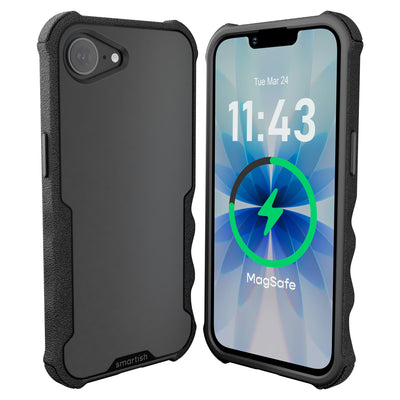


iPhone 17 case MagSafe strength
What's the Deal with iPhone 17 MagSafe Strength Anyway?
Your iPhone 17 case MagSafe strength isn't just about that satisfying "click" when you attach a charger. It's the magnetic force that keeps your charger, wallet, or car mount exactly where it belongs, even when life gets bumpy. Think of it as the invisible grip that prevents accessories from taking a dive when you hit a pothole or pull your phone from your pocket.
MagSafe strength determines whether your charging session survives a gentle bump or whether your phone slides off the pad like it's covered in butter. Too weak? You're constantly repositioning. Too strong? Removing accessories feels like arm-wrestling your phone.
Beyond the "Snap": Understanding True MagSafe Strength
Real magnetic strength goes beyond the initial connection. It's about maintaining consistent contact during charging, keeping accessories secure during movement, and providing enough grip to support heavier items like battery packs or car mounts. The sweet spot delivers reliable attachment without requiring superhuman strength for detachment.
The Science Behind the Magnet: How MagSafe Works (and Why It Matters)
MagSafe uses a ring of precisely positioned magnets that create a magnetic-field pattern. When your case aligns with an accessory, these magnetic fields lock together. Strength depends on magnet quality, positioning accuracy, and the distance between magnetic surfaces. Even a millimeter of misalignment can reduce holding power significantly. For a deeper dive into the technology, check out our guide on how MagSafe works.
Why "Strong" MagSafe Isn't Just About Force
Strong MagSafe means a consistent, reliable connection across different scenarios. It's about maintaining charging performance while supporting various accessories. A well-designed case balances magnetic pull with easy removal, making daily use effortless rather than lab-perfect.
Case Closed? How Your iPhone 17 Case Impacts MagSafe Power
Your case choice directly affects magnetic performance. Thickness, materials, and design all play a role in how well your iPhone 17 connects with magnetic accessories. A poorly designed case can turn that reliable snap into a frustrating guessing game of positioning and repositioning.
The Thickness Factor: Does More Case Mean Less Connection?
Case thickness matters, but it's not the whole story. Apple's MagSafe specification allows for cases up to 2.1 mm thick while maintaining a strong magnetic connection. Beyond that threshold, magnetic force drops significantly. Many quality cases stay within this range, but bulky designs with extra padding can exceed it and weaken the magnetic pull.
The key isn't just thinness. It's consistent thickness across the magnetic-ring area. Cases with uneven thickness or raised elements create gaps that reduce magnetic strength, even when the overall case meets thickness guidelines.
Material World: How Different Case Materials Play Nice (or Not) with Magnets
Material choice affects magnetic-field transmission. Silicone and TPU typically allow magnetic fields to pass through effectively, helping maintain strong connections. Metal cases can interfere with magnetic fields unless they're designed with appropriate cutouts or magnet-friendly construction in the MagSafe area.
Some materials also affect heat during charging, which can impact charging consistency. Cases with better heat management help maintain steadier performance while preserving magnetic holding power.
Magnet Placement and Power: The Ins and Outs of Case Design
Some cases incorporate their own magnets aligned with the iPhone's internal MagSafe ring. When alignment is accurate, that reinforcement can strengthen the connection. When alignment is off, competing magnetic fields can weaken or destabilize the hold.
| Design Element | Impact on MagSafe Strength | What to Look For |
|---|---|---|
| Built-in magnets | Can strengthen the connection when properly aligned | Precise ring positioning and consistent build quality |
| Case thickness | Reduces strength beyond about 2.1 mm | A slim profile and consistent thickness |
| Material choice | Metal can interfere; silicone and TPU are typically magnet-friendly | Materials that support magnetic fields and manage heat |
| Camera-bump design | Can create gaps that affect alignment | Smooth transitions and even surface contact |
The Wallet Conundrum: When Accessories Get in the Way
Wallet cases present unique challenges for magnetic strength. Cards and cash between your phone and a magnetic accessory add distance and can reduce holding power.
When wallet functionality is a priority, consider designs that keep storage away from the magnetic area, or use a detachable wallet approach that can be removed when you need a cleaner magnetic connection. The Side Hustle - Vegan Leather MagSafe Compatible Wallet offers this flexibility by attaching magnetically when needed.
The Smartish Approach: Engineering Steady Magnetic Connections
I'm Matt, the founder of Smartish, and I obsess over the small stuff that makes phone gear feel effortless. Designing cases that keep magnetic alignment steady takes more than dropping magnets into plastic. It takes understanding how people actually use their phones: in cars, at desks, on walks, and during the messy moments when everything gets jostled.
Our "Ish" Test for MagSafe: What It Means for Your iPhone 17
Every case concept goes through our "ish test". The moment when something works the way you expect, with fewer annoyances. For magnetic accessories, that means real-life checks: charging while driving over speed bumps, using a battery pack, and swapping between a charger and a car mount. If the connection fails during normal use, it doesn't pass.
The test isn't about maximum magnetic force. It's about reliable performance across different situations. A case might hold in ideal conditions, then slip when a surface gets dusty or when positioning is slightly off.
Balancing Act: Strong Hold, Slim Design, and Smooth Charging
Strong magnetic connections don't require thick, bulky designs. Smart magnet placement and sensible material choices create secure connections while keeping cases slim. We focus on alignment that supports the iPhone's magnet ring rather than fighting it.
Heat management matters, too. When charging generates extra heat, some materials can temporarily lose holding power. Better thermal design helps keep the connection steadier when you rely on it most. Learn more about MagSafe charging optimization.
Beyond the Snap: Keeping Accessories in Place
The first snap is only the start. Daily life adds friction from pockets, bumps from bags, and constant handling. Good magnetic integration anticipates those forces during design, rather than treating them as a surprise later.
This also applies to accessory variety. Chargers, battery packs, car mounts, and wallets each behave differently. A case that performs well should account for that range without sacrificing basic reliability.
Engineering Philosophy
We design for the messy middle: when the phone is angled, when an accessory shifts slightly, and when real life interrupts perfect alignment. That's where dependable magnetic holding power counts.
Solving the Sneaky Problems: Why Smartish Cases Feel Predictable
The sneakiest problems with magnetic setups aren't dramatic failures. They're inconsistencies that build frustration over time: magnets that work sometimes, materials that behave differently as temperatures change, or design details that create tiny gaps that reduce hold.
Our process focuses on catching those issues early by testing with multiple accessories and common conditions, so your case's magnetic performance stays consistent over time.
Putting It to the Test: Practical Ways to Gauge iPhone 17 MagSafe Strength
You don't need lab equipment to get a reasonable read on magnetic performance. A few basic checks with accessories you already own can reveal whether your setup feels stable or whether it keeps slipping out of place.
The "Shake Test" and Other DIY Methods (with a Grain of Salt)
The shake test involves attaching a magnetic accessory and gently shaking your phone to see whether it stays connected. It's not scientific, but it can help you compare setups. A solid connection should handle gentle movement without detaching or sliding.
Try an angle check: attach a charger and slowly tilt your phone. Strong magnetic connections usually maintain contact at moderate angles, while weaker ones lose alignment quickly. These tests show relative strength, not an absolute performance standard.
What to Look For: Visual Cues of a Strong Connection
Stronger magnetic connections tend to align consistently. The accessory should center itself with minimal manual adjustment. If charging status appears only after repeated repositioning, alignment or holding power may be borderline.
Look at how flush the accessory sits. Uneven gaps can point to alignment problems that reduce holding power and charging consistency.
When to Worry: Signs Your MagSafe Strength Might Be Compromised
Frequent repositioning during charging sessions can signal a weak connection. If charging stops overnight or a car mount loses grip during normal driving, your magnetic strength may be too low for reliable use.
If connection strength changes a lot between cold and warm conditions, materials or design choices may be contributing to inconsistent performance.
Beyond the Case: Troubleshooting Common MagSafe Hiccups
Clean the contact areas regularly with a dry cloth. Dust, lint, and debris can create small gaps that reduce holding power. Metal particles can also interfere with alignment.
Also check accessory quality. Not all "MagSafe-compatible" products use the same magnet strength, and weaker accessories can feel inconsistent even when the case is well made. For reliable charging accessories, consider the Charge Dinghy - Wireless Magnetic Charger which is designed to work seamlessly with MagSafe cases.
Frequently Asked Questions
What does "iPhone 17 case MagSafe strength" truly mean?
For me, it's about that invisible grip that keeps your charger, wallet, or car mount exactly where it belongs, even when life throws bumps your way. It's about maintaining consistent contact during charging and keeping accessories secure during movement, so your phone doesn't take a dive. A good MagSafe strength means reliable attachment without requiring superhuman strength for detachment.
How does my iPhone 17 case affect MagSafe's magnetic power?
Your case choice directly impacts how well your iPhone 17 connects with magnetic accessories. Things like case thickness, the materials it's made from, and how precisely any built-in magnets are aligned all play a big role. A well-designed case ensures that reliable snap, while a poorly designed one can make it a frustrating guessing game of positioning.
What makes an iPhone 17 case have a reliable MagSafe connection?
A reliable MagSafe connection comes down to smart design. Cases that stay within about 2.1 mm thickness and use materials like silicone or TPU typically allow magnetic fields to pass through effectively. When a case incorporates its own magnets, precise alignment with your iPhone's internal MagSafe ring is key to strengthening that hold.
Should I choose a case specifically designed for MagSafe with my iPhone 17?
If you're using MagSafe accessories, choosing a case that's thoughtfully designed for magnetic connections is a smart move. It helps ensure your charging sessions survive gentle bumps and that your accessories stay put. A good case balances magnetic pull with easy removal, making daily use effortless.
What should I look for in an iPhone 17 case to ensure good MagSafe strength?
When picking a case, look for a slim profile that keeps the thickness around the magnetic ring consistent and under 2.1 mm. Materials like silicone or TPU are generally good for magnetic field transmission. Also, if a case has built-in magnets, make sure they're precisely aligned to reinforce, not weaken, the connection.